

Professional Thin-walled Injection Mold Service
Holly excels in thin-wall injection molding with high accuracy, and the target markets are medical, automotive, electronics, and consumer products. Advanced injection molding technologies and advanced techniques allow us to manufacture lightweight, high-strength, intricate parts with 0.5 mm wall thickness, and assured quality and precision.
With over 20 years of background, we capitalize on strong engineering abilities and best-in-class techniques to deliver top-performing molds with quick cycle times—up to 4 seconds. Excellent mold building and process improvement are assured by our experienced engineers with repeatable performance and cost benefits.
At Holly, we are committed to providing good thin-wall injection molding with quick turnaround and close quality control. Whatever your small-batch prototyping or high-volume production needs are, we are your business partner in the quest for accuracy and performance. Call us today and let us talk about your thin-wall molding needs!
Explore Our Thin-wall Injection Molding Molds
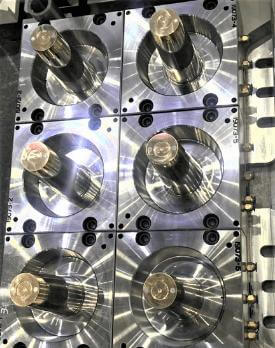
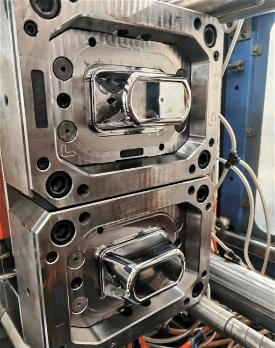
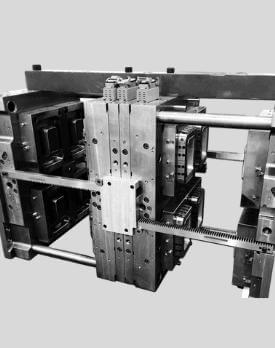
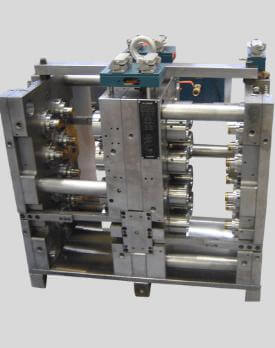
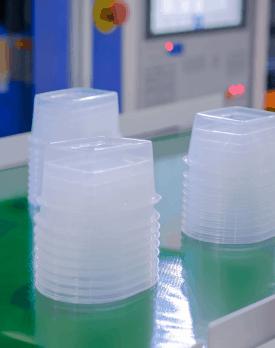
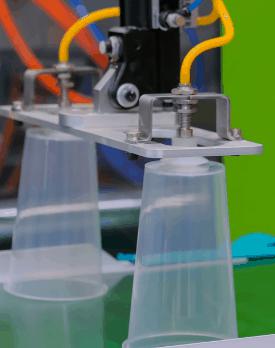
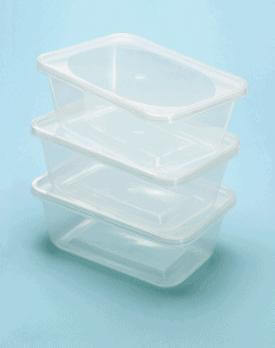
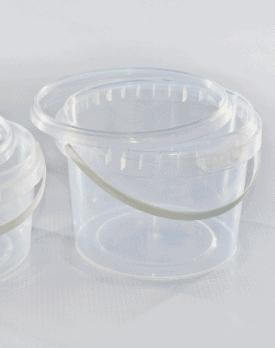
Holly specializes in Thin-Wall Injection Molding and offers efficient and precise solutions for light-weight plastic products. Our mold types are single-cavity molds for medical trays and prototypes, multi-cavity molds for food packaging and disposable cutlery, family molds for electronic casings and caps, hot-runner molds for thin-walled containers and cosmetic packaging, and stack molds for mass production of lids and cups. This procedure ensures high cycle times, material efficiency, and consistent quality, meeting demands of markets including medical, food, electronics, and daily needs.
High Precision Injection Molding Materials Available
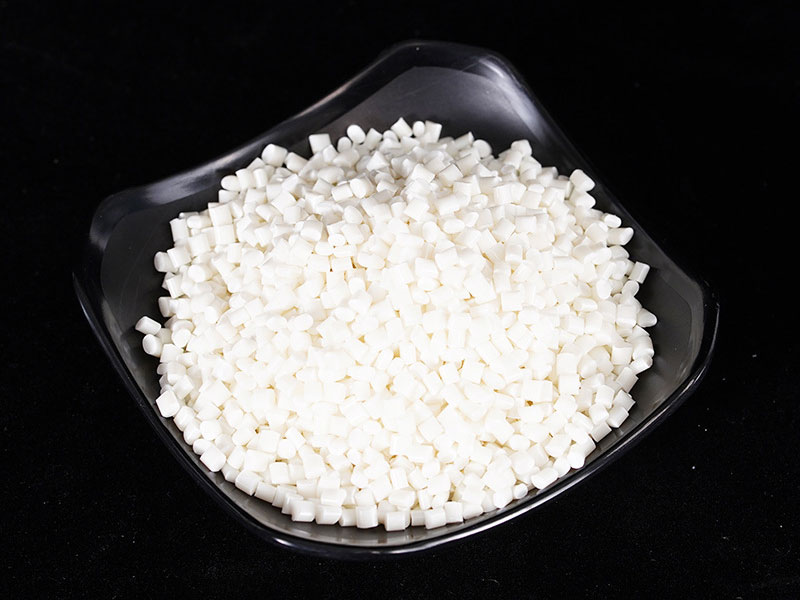
ABSABS (Acrylonitrile-Butadiene-Styrene) is a suitable material for Thin-wall Injection Moulding due to its toughness, dimensional stability, and flowability. Low melt temperature and good flow properties of ABS make it ideal for production of thin-walled but strong parts. ABS is employed in a large number of automotive parts, electronic enclosures, and appliance casings. For instance, auto dashboards and TV frames are widely manufactured with ABS owing to its strength and finish.
|
 |
PPPP (Polypropylene) is an inexpensive and light material which suits Thin-wall Injection Molding perfectly because it is flexible, chemically resistant, and flowable. It is most suitably applied where thin and light designs are required. PP is used in thin-wall food storage boxes, consumer household products, and automobile components. Thin-wall food storage boxes and auto body panels, for example, are commonly produced using PP because they are flexible and strong.
|
|
PETPET (Polyethylene Terephthalate) is an excellent Thin-wall Injection Molding material since it is extremely flowable, tough, and chemically resistant. It is used most of the time in packaging food and beverages and thin-wall packaging. Thin-wall water bottles and food trays, for instance, are mostly composed of PET due to its transparency and resistance.
|
|
PCPC (Polycarbonate) is a high-performance plastic with good impact resistance, optical clarity, and heat resistance, which makes it most appropriately suited for Thin-wall Injection Molding. PC is the preferred material for thin-wall parts that need to be strong and transparent. PC is most commonly used for LED light lenses, medical devices, and electronics enclosures. Protective gear and lamps with thin walls are usually made of PC because they can be made strong and transparent.
|
|
PAPA (Nylon/Polyamide) is a very durable material in Thin-wall Injection Molding because it shows higher wear resistance, mechanical, and heat stability properties. PA is used extensively in the automobile, industry, and consumer goods industry. Thin-wall auto gears and auto connectors of vehicles are typically manufactured with PA because of its accuracy and hardness.
|
|
PBTPBT (Polybutylene Terephthalate) is a Flexible Thin-wall Injection Molding grade resin with enhanced flowability, heat resistance, and enhanced electrical properties. PBT is extensively used in auto and electronics applications. Thin-wall auto connectors and electronic enclosures, for example, are extensively made from PBT due to its enhanced performance and long-lasting lifespan.
|
|
PMMAPMMA (Polymethyl Methacrylate/Acrylic) is optically transparent material that is most suitable for Thin-wall Injection Molding due to its high optical clarity, weatherability, and machinability. It is used in lighting applications, display boards, and optical equipment. Thin-wall LED signage and lenses, for instance, are best made using PMMA since it is as clear as glass and accurate.
|
|
LCPLCP (Liquid Crystal Polymer) is an engineering material with high performance characterized by superior flowability, heat resistance, and dimensional stability that makes it very appropriately suitable for Thin-wall Injection Molding. LCP finds widespread application in microelectronic and precision components. Some of these include thin-wall microchip enclosures and connectors with high reliability most often produced with LCP to guarantee reliability and precision.
|
|
PPOPPO (Polyphenylene Oxide) is an appropriate Thin-wall Injection Molding material because it is extremely heat-resistant, chemically stable, and dimensionally stable. PPO is applied extensively in the automotive and electronics industries, e.g., thin-wall pump housings and electronic housings benefit from the heat resistance and impact resistance of PPO.
|
|
SANSAN (Styrene Acrylonitrile) is a clear and hard plastic that can perfectly fit Thin-wall Injection Molding since it is chemically resistant, transparent, and rigid. SAN finds huge application in cosmetic jars, food containers, and domestic products. Cosmetic jars and food containers, for instance, are most commonly manufactured using SAN since they are hard and transparent.
|
|
High Precision Injection Molding Finishing Options
| Name | Description |
|---|---|
| Polishing | Polishing produces a glassy surface that gives a high luster and smoothness, removing friction. Most applicable for glossy or clear finishes. |
| Sanding | Sanding improves surface texture by the elimination of imperfections, giving a matte or smooth finish. |
| Plating | Plating deposits a layer of metal (nickel, chrome, etc.) on the surface for metallic look, wear resistance, or conductance. |
| Laser Marking | Laser marking engraves complex patterns, logos, or functional marks (e.g., serial numbers, QR codes) into the surface. |
| Ultrasonic Texturing | Ultrasonic texturing creates fine surface textures to improve grip or feel, ideal for precision applications. |
| Laser Etching | Laser etching creates deeper designs or localized patterns for branding or decoration. |