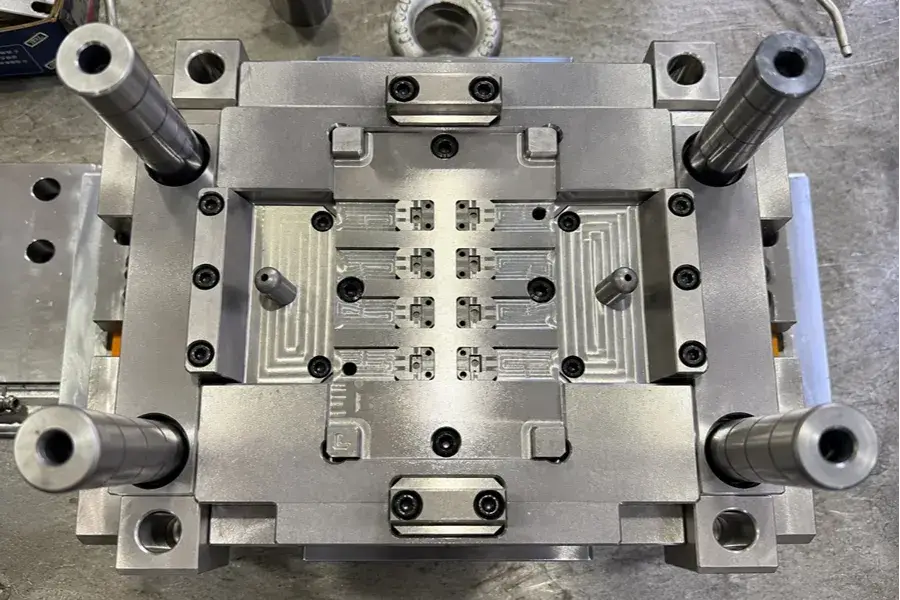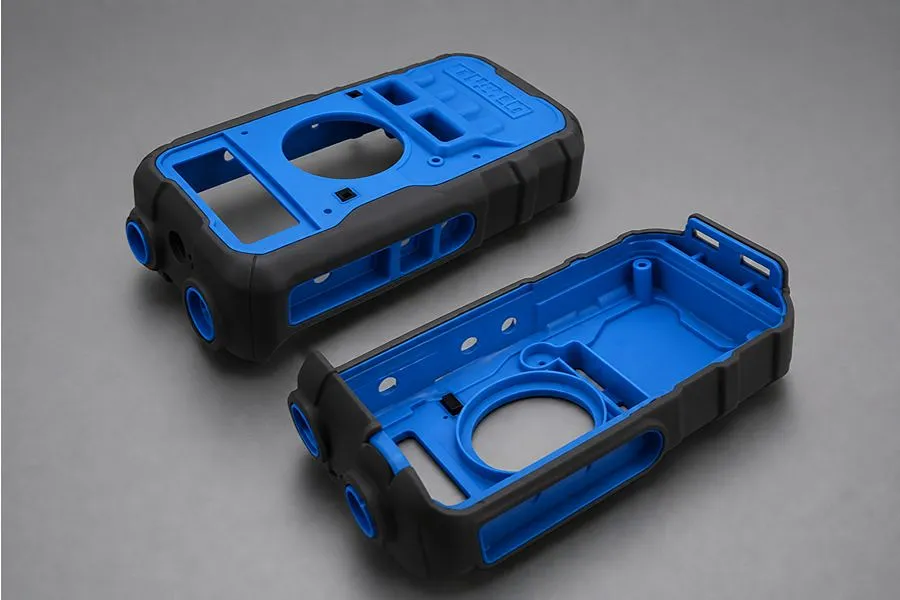
Mold design is also a critical component of the total cost of the injection mold but none of you considers it individually. In reality, in any real mold project, design has an impact on the mold structure, machining, testing, mold life and future maintenance cost.
A lower cost design fee does not always equate to a lower overall project cost. Incomplete or poorly designed molds can result in further changes, delays, consistent problems in molding and increased production risks.
Which is why it is crucial to be aware of how mould design fees are calculated prior to comparing mold quotations.
1. 2026 Injection Mold Design Cost Reference
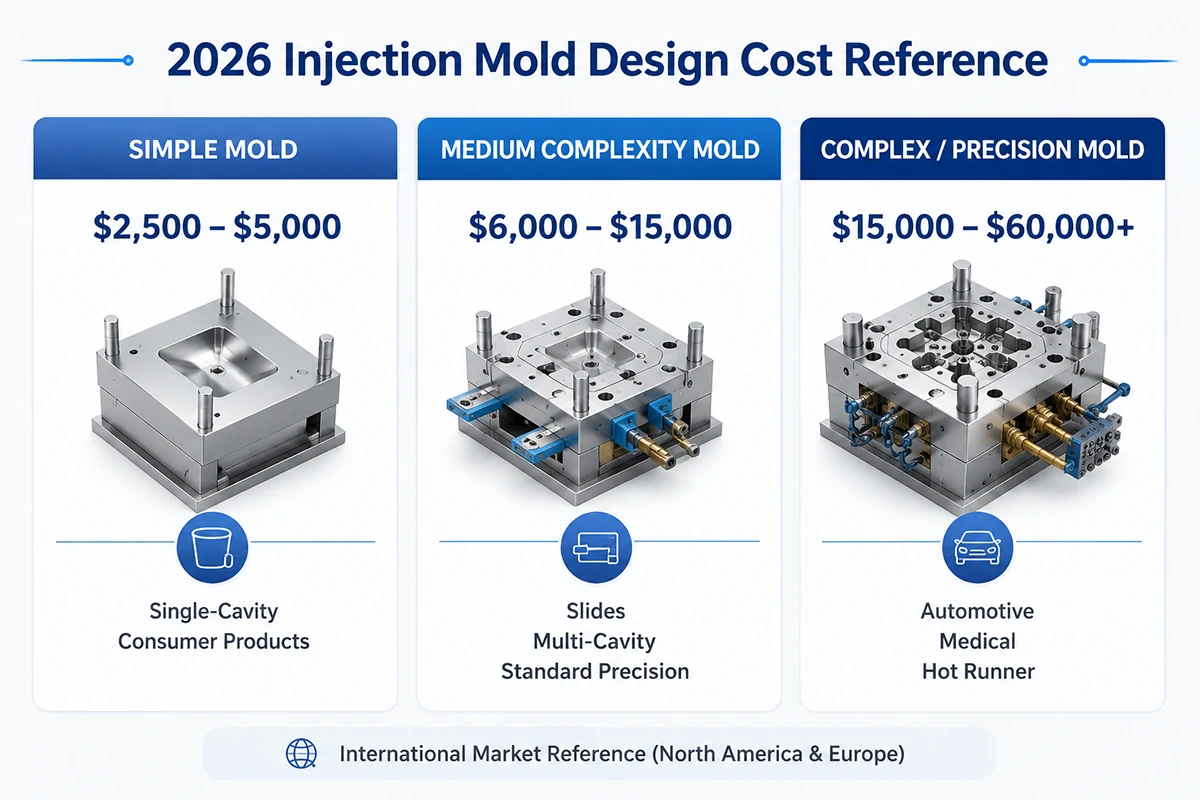
So, how much does injection mold design cost in 2026? The answer depends on mold complexity, engineering hours, design standards, cavity layout, tolerance requirements, and whether DFM or mold flow analysis is included.
In general, the industry mainly uses two pricing methods:
- Hourly-based pricing
- Percentage-based pricing based on the total mold cost
Below is a 2026 international market reference, excluding taxes:
| Mold Category | Typical Design Cost (USD) | Typical Applications |
| Simple Mold | $2,500 – $5,000 | Single-cavity consumer products |
| Medium Complexity Mold | $6,000 – $15,000 | Multi-cavity molds, slides, standard precision parts |
| Complex / Precision Mold | $15,000 – $60,000+ | Automotive, medical, hot runner, high-tolerance projects |
This pricing reference is based on international market conditions, mainly covering North America, Europe, and high-standard export mold projects. China-based mold design costs may be lower and can be discussed separately in a China vs. Western mold design cost comparison.
Mold designs supplied by Chinese team that are purely domestic are approximately 40% to 60% of western standards. However the cost becomes closer to international standards (around 70%, 80%) for high-end export molds with strict adherence to international standards (HASCO/DME) and full-English DFM/drawings.
2. Two Core Pricing Methods Explained
Next, let us elaborate on these two pricing methods.
1) Hourly-Based Pricing
Formula: Design Fee = Total Hours × Hourly Rate
2026 mold design hourly rates, USD, excluding taxes (Actual hourly rates may vary depending on region and engineering level):
| Engineer Level | Hourly Rate |
| Standard Designer, basic 2D/3D design | $50 – $80/hr |
| Senior Engineer, including DFM and standard slides/lifters | $80 – $120/hr |
| Expert-Level Engineer, automotive, medical, CAE, hot runner systems | $120 – $180/hr |
Typical design hours by mold complexity:
| Mold Type | Design Hours |
| Simple two-plate mold, single cavity, no slides | 10–20 hrs |
| Standard mold, multi-cavity or 1–2 slides | 20–40 hrs |
| Complex mold, slides + lifters / hot runner | 40–80 hrs |
| Precision / medical mold, CAE + tolerance ≤ ±0.03mm | 80–150 hrs |
2) Percentage-Based Pricing, Included in Total Mold Cost
Formula: Design Fee = Total Mold Price × Rate
Design fee rate range:
| Mold Complexity | Rate |
| Simple Mold | 6% – 9% |
| Medium Complexity Mold | 9% – 14% |
| Complex / Precision Mold | 14% – 22% |
3. Design Cost Breakdown
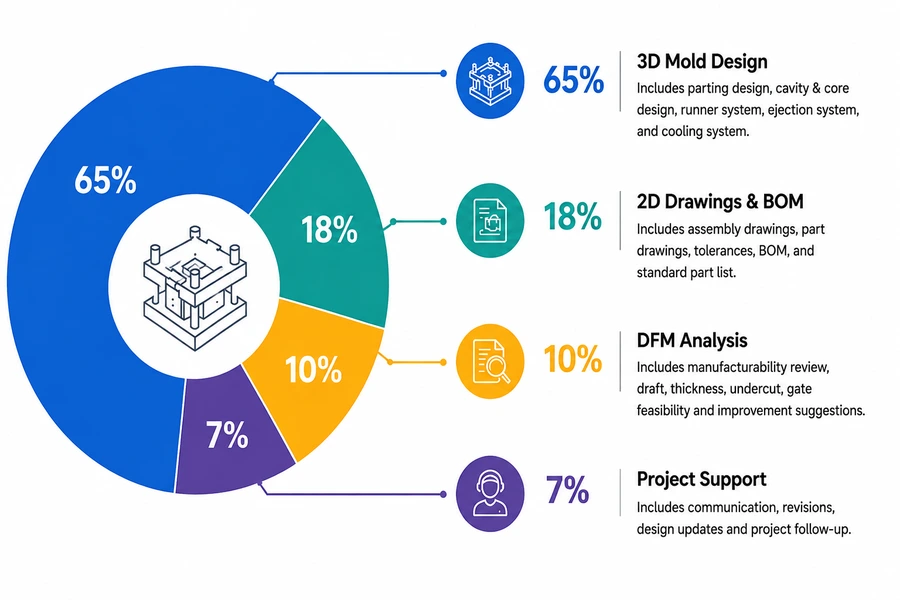
- DFM Manufacturability Analysis: $500 – $1,200/set. Includes draft angle, wall thickness, undercut, and gate feasibility analysis.
For full-service design commissions, the DFM analysis is typically included in the overall quotation. However, if it is for an initial independent evaluation, or if an OEM customer only requests a standalone manufacturability report, it will be billed separately at $500 – $1,200/set.
- 3D Mold Structure Design: Usually accounts for 60% – 70%. Includes parting design, cavity design, runner system, ejection system, and cooling system.
- 2D Engineering Drawings + BOM: Usually accounts for 15% – 20%. Includes assembly drawings, component drawings, tolerance specifications, and standard component list.
- CAE Mold Flow Analysis, Optional: $2,500 – $6,000/run. Includes filling, packing, cooling, and warpage analysis.
- Minor first round changes are typically free (Revisions and Follow-Up). If the changes are significant, then the revision costs are in the range of $800 – $2,500.
- Deliverables: DFM report + complete 3D files (UG/NX/Creo + 2D drawing), PDF + DWG + BOM + standard component list + material certificate.
4. Five Key Factors Affecting Design Cost
Several factors can increase injection mold design cost. Most of them are related to engineering difficulty, such as product complexity, number of cavities, tolerance requirements, mold flow analysis, and mold standards. Here, we list five typical factors.
1) Product Complexity
The more undercuts, slides, lifters, and threads involved, the higher the design hours. Each additional slide may add $500 – $2,000 to design cost, or $2,500 – $6,000+ to total mold cost.
2) Number of Cavities
Multi-cavity molds require balanced runner and cooling design. An 8-cavity mold usually requires about 2.5–3 times the design hours of a single-cavity mold.
3) Precision Level
- Tolerance ≤ ±0.05mm: Design cost may increase by 20%–40%.
- Medical-grade tolerance ≤ ±0.01mm: Design cost may increase by 50%–80%.
4) Material and Mold Life Requirements
If a mirror polish, corrosion or long-life mold is required, design work may be increased by 10%–25%. This is frequently the case with mold steels and other specifications like S136, STAVAX, corrosion resisting, and mirror polishing.
5) Lead Time
- Standard lead time: 7–15 days
- Rush lead time: 3–5 days
- Rush projects usually add 30%–50%.
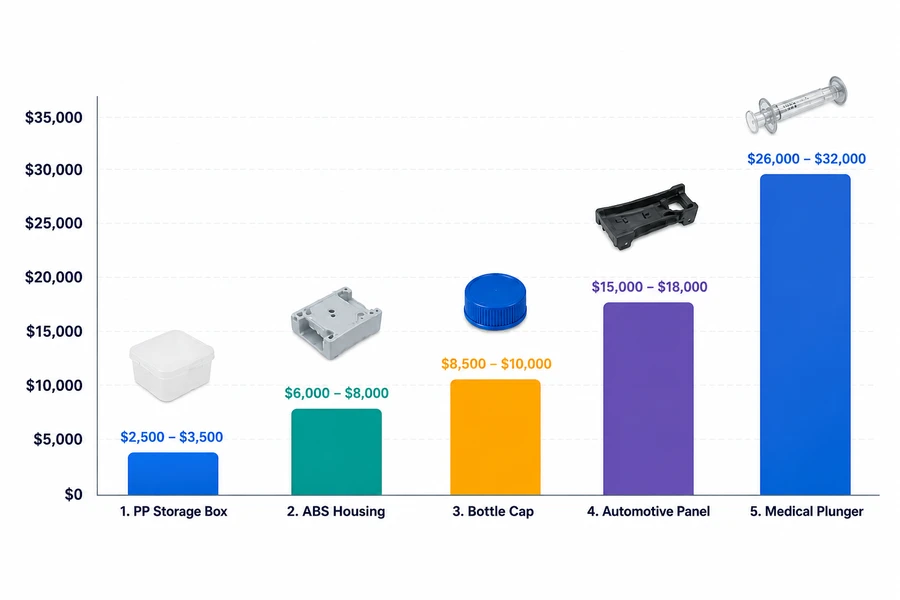
5. 2026 Design Cost Examples
| Case / Project | Mold Type & Key Features | Hourly-Based Estimation | Percentage-Based Estimation | International Market Price Range |
| 1. PP Storage Box | Simple 2-plate mold, 1 cavity, no slides | 25 hrs × $100/hr = $2,500 | $35,000 (Total Mold Cost) × 8% = $2,800 | $2,500 – $3,500 |
| 2. ABS Remote Control Housing | 1 slide, 1 cavity, standard structure | 60 hrs × $120/hr = $7,200 | $55,000 (Total Mold Cost) × 12% = $6,600 | $6,000 – $8,000 |
| 3. PP Precision Bottle Cap | 8 cavities, cold runner, balanced multi-cavity layout | 75 hrs × $120/hr = $9,000 | $65,000 (Total Mold Cost) × 14% = $9,100 | $8,500 – $10,000 |
| 4. Automotive Interior Panel | 2 lifters + 1 large side action mechanism | 110 hrs × $140/hr = $15,400 | $90,000 (Total Mold Cost) × 18% = $16,200 | $15,000 – $18,000 |
| 5. Medical Syringe Plunger | 4 cavities, hot runner, tight tolerances + CAE analysis | 170 hrs × $160/hr = $27,200 | $150,000 (Total Mold Cost) × 20% = $30,000 | $26,000 – $32,000 |
Key Takeaway: This table clearly demonstrates the complementary nature of the Hourly-Based and Percentage-Based pricing methods in practical application. For parts with standard structural requirements (Cases 2, 3, and 4), both calculations yield very similar results.
However, for ultra-precision/medical-grade projects (Case 5) involving expensive CAE simulation software costs, or extremely simple commodity parts (Case 1), the two methods may slightly diverge. In these scenarios, the final international market quotation is typically determined by blending both approaches to find a reasonable median range.
6. 4 Practical Ways to Reduce Design Costs
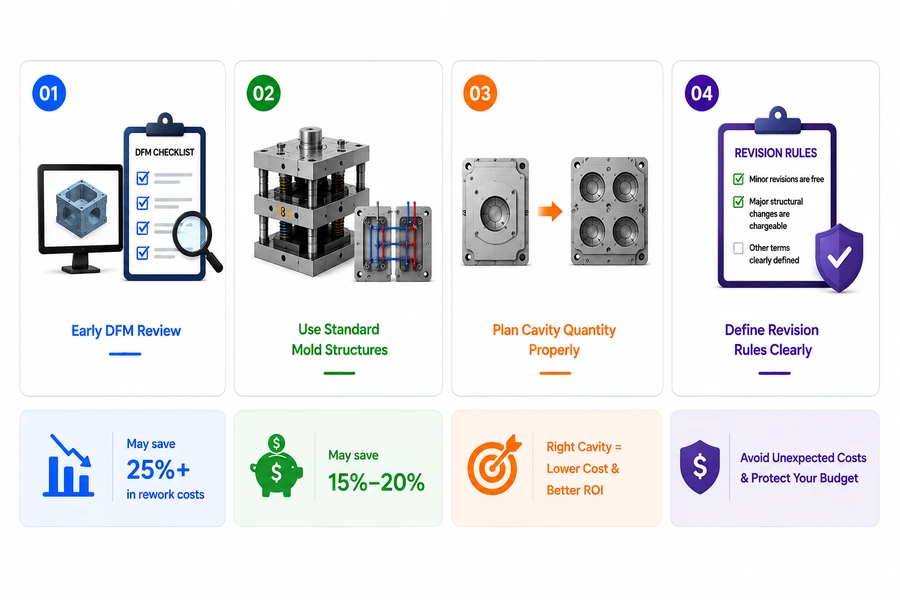
Decreasing costs in mold design does not imply hiring the most inexpensive designer. The more sensible way is to decrease excessive engineering efforts, prevent the need for revision, and increase the manufacturability of the mold. The following approaches will assist buyers in decreasing mold design costs without lowering their quality.
1) Early DFM Review
An early DFM review should be done before the product design is finalized. This assists in the identification of problems such as undercut, thin walls, sharp corners, difficult parting lines, poor draft angles and unreasonable gate locations.
If these issues are identified after mold design or mold manufacturing is begun, the supplier may have to redesign the mold, make changes to the drawings or even rework the machined parts. This can incur extra engineering costs and slow down the entire project.
By solving manufacturability problems early, buyers can reduce unnecessary design revisions and avoid major modification costs later.
2) Use Standard Mold Structures
Typically, the standard mold structures can be designed, produced and manufactured easier, faster and less expensive than the fully custom mold systems. It is desirable for buyers to have standard mould base, standard ejection system, common cooling layout, and proven gate design when possible.
This does not mean every mold should be simple. For complex parts, special structures may still be necessary. Unnecessary special designs must not be created since these would cause additional engineering time, difficulties in machining the part, higher assembly risks, and higher future maintenance costs.
One useful guideline to follow is that standard solutions for molding should always be used where appropriate.
3) Plan Cavity Quantity Properly
The number of cavities should be based on annual production volume, cycle time, part size, molding machine capacity, and quality requirements. A multi-cavity mold can reduce unit part cost, but it also increases design difficulty.
For instance, a 4 cavity or 8 cavity mold will take longer to balance runners, cool, vent, consolidate and control the dimensions of the product. With low annual demand, the additional design and tooling cost might not be justified.
Purchasing a multi cavity mold just because it appears to be more efficient isn’t necessarily the best idea. The right cavity number should be optimized in order to balance cost of the mold, production efficiency and the long term requirement of the part.
4) Define Revision Rules Clearly
Design changes can be an additional cost. Prior to project commencement the quotation/ contract should be clearly set out to indicate what is covered in the design fee and what will be a separate cost.
For instance, DFM feedback could lead to minor changes, but significant changes after the mold design approval will incur additional cost. Changes caused by the buyer’s updated product design should also be separated from corrections caused by mold design mistakes.
Clear revision rules help both sides avoid disputes, control communication costs, and prevent unlimited drawing revisions during the project.
7. Before Approving Any Mold Design Quotation
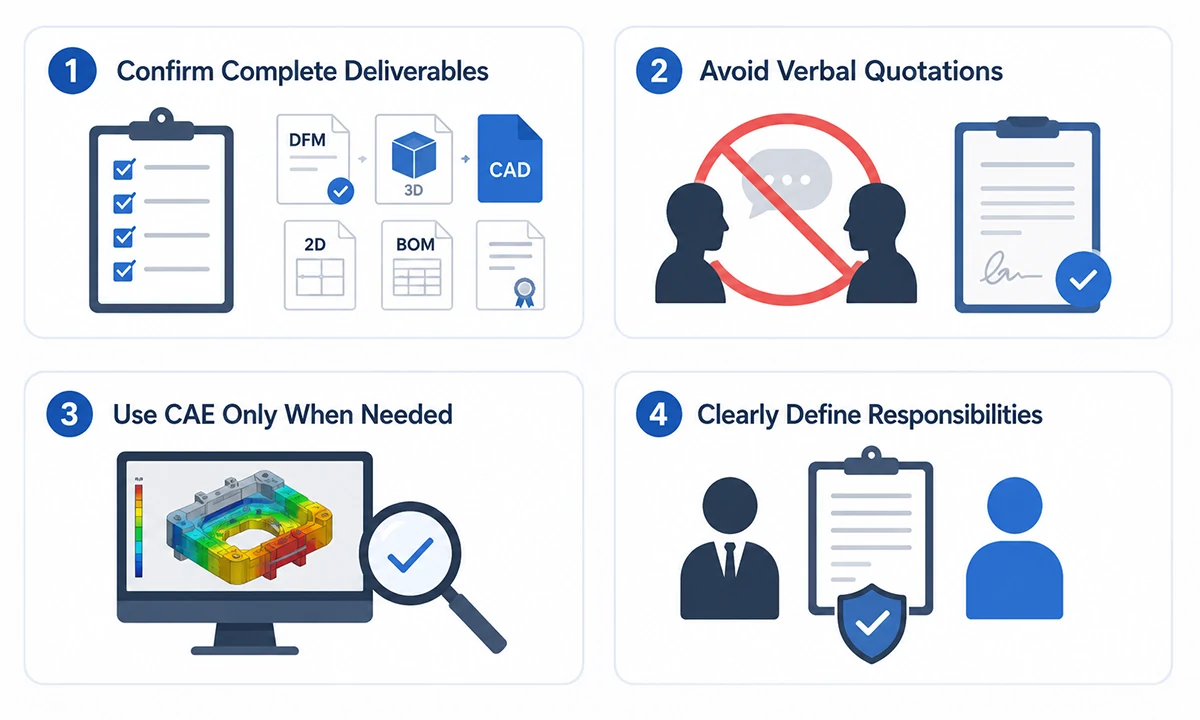
When considering a mold design quotation, buyers should not only inspect the overall design fee, but also other aspects of the quote. They should also ensure that they get confirmation of what is covered in the quotation, which files will be sent, how revisions will be handled, and who will be responsible for any additional engineering work.
1) Confirm Complete Design Deliverables
A professional mold design quotation should clearly list the deliverables included in the design fee. Typically they contain a DFM report, 3D mold design files, UG/NX or Creo editable files, 2D mold drawings in PDF or DWG format, BOM, mold steel data, and a standard mold components checklist.
In cases of export mold projects, these files are of particular importance as they enable the customer to check the mold structure, to schedule future maintenance and to hand over the mould to a different supplier if necessary.
2) Avoid Verbal Quotations
Quoting verbatim can be problematic since key elements may be misremembered. All design fees, design hours, design hourly rates, percentage rates, payment terms, revision rules and excluded items must be agreed in writing.
This will prevent both parties from having conflicts later, particularly if product design changes, the mold structure is more complicated, or more DFM and engineering support is needed.
3) Use CAE or Mold Flow Analysis Only When Needed
CAE or mold flow analysis is not always necessary for ordinary plastic appearance parts or simple structural components. For these projects, experienced mold designers can usually evaluate the gate position, runner layout, venting, and cooling system through standard DFM review.
But for thin-wall parts, long-flow parts, high gloss parts, multi-cavity mold, engineering plastic, glass-filled parts and parts that can be easily deformed, CAE is recommended. In these situations, mold flow analysis can minimize the number of trials, ensure a filling balance, and prevent the need to make unnecessary changes to the mold.
4) Clearly Define Design and Modification Responsibilities
The quotation should clearly define who is responsible for additional mold design or modification costs. If the modification is caused by a mold design error, the supplier should be responsible for the correction cost.
If the customer changes the product structure after design approval, the additional engineering cost should usually be paid by the customer. Clear responsibility rules help control project risk and prevent disputes during mold manufacturing and trial stages.
8. Conclusion
The price of injection mold design varies according to the complexity of the mold, engineering hours, cavity planning, precision needs, and analysis work, which is a few thousand dollars to several tens of thousands of dollars. Don’t just consider design fees, consider scope of deliverables, revision terms and engineering quality. A good mold will minimize the risk of manufacturing, mold changes and production costs over the life of the product.