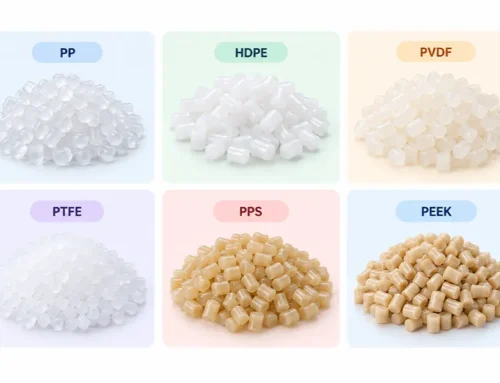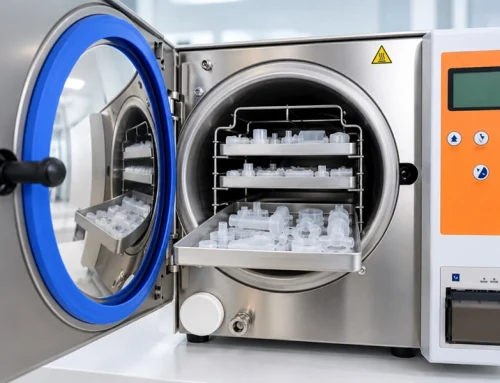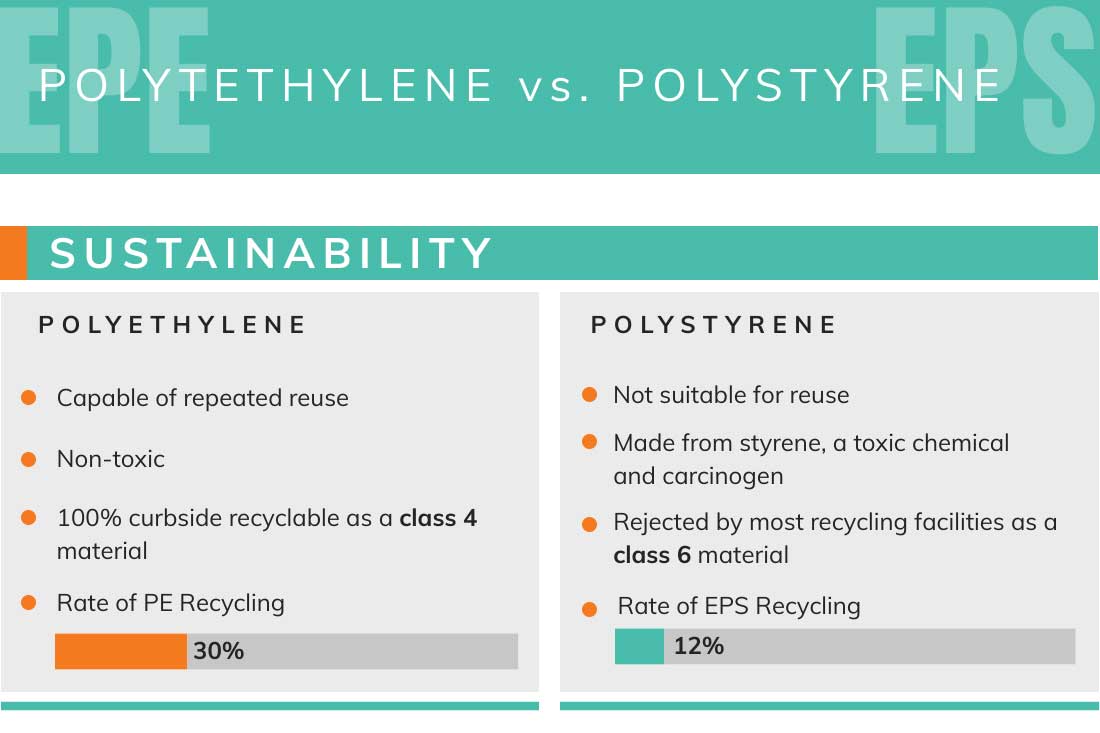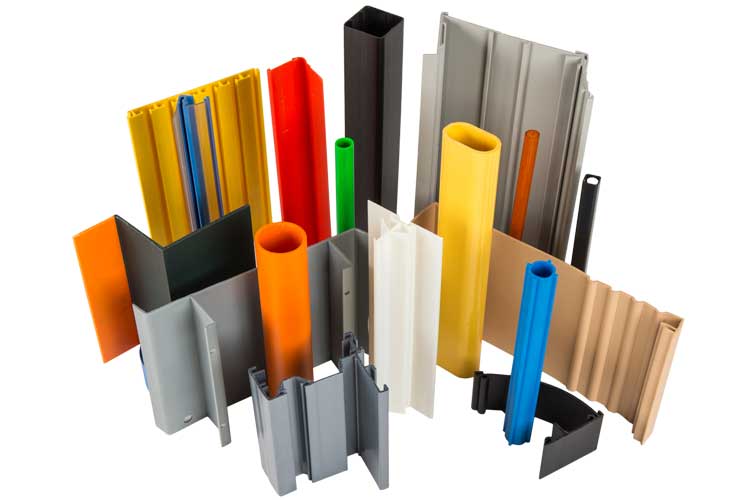
There are many types of plastic used in medical equipment, from disposable sample cups and kits to diagnostic equipment shells, transparent liquid storage components, fluid joints and repeatable sterilization instruments. Different products have different requirements for materials.
In this article, Holly will introduce common medical plastics such as PC, PP, ABS, PEEK, PPSU, PSU, PEI, TPE and TPU, as well as their choices in different medical applications.
1. What is Medical-Grade Plastic?
Medical-Grade Plastic usually refers to the plastic grade used in medical devices and supported by corresponding material control, biological safety data or medical application technical data. Medical Grade is not an independent type of plastic. The same polymer can have ordinary industrial brands and different brands for medical applications.
2. Plastic materials commonly used in medical equipment
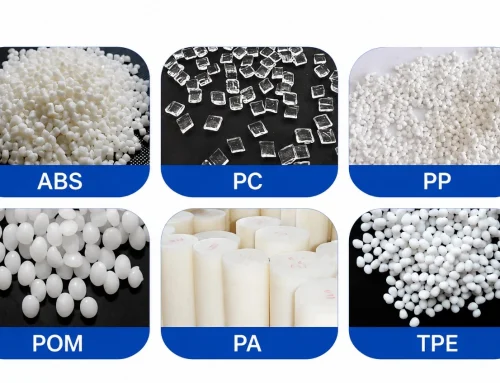
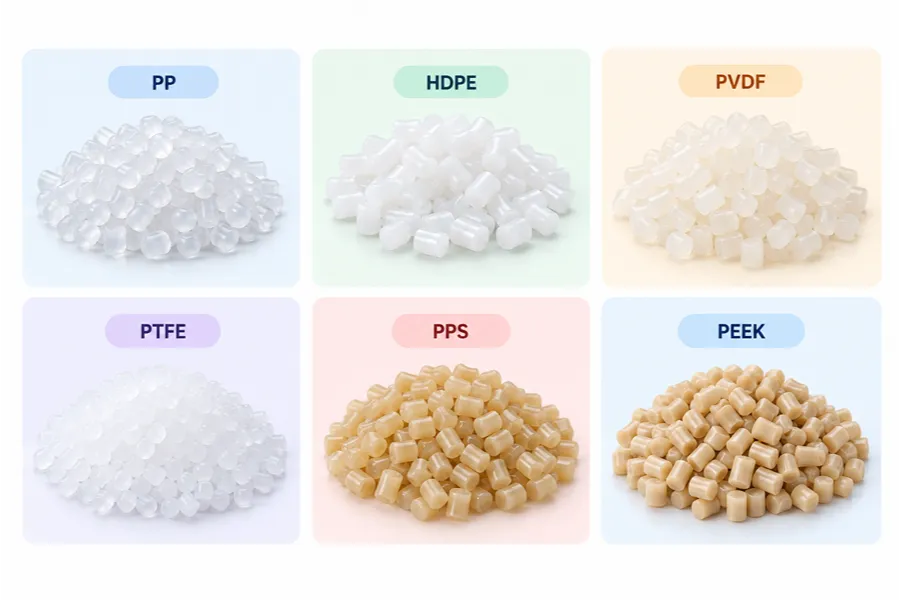
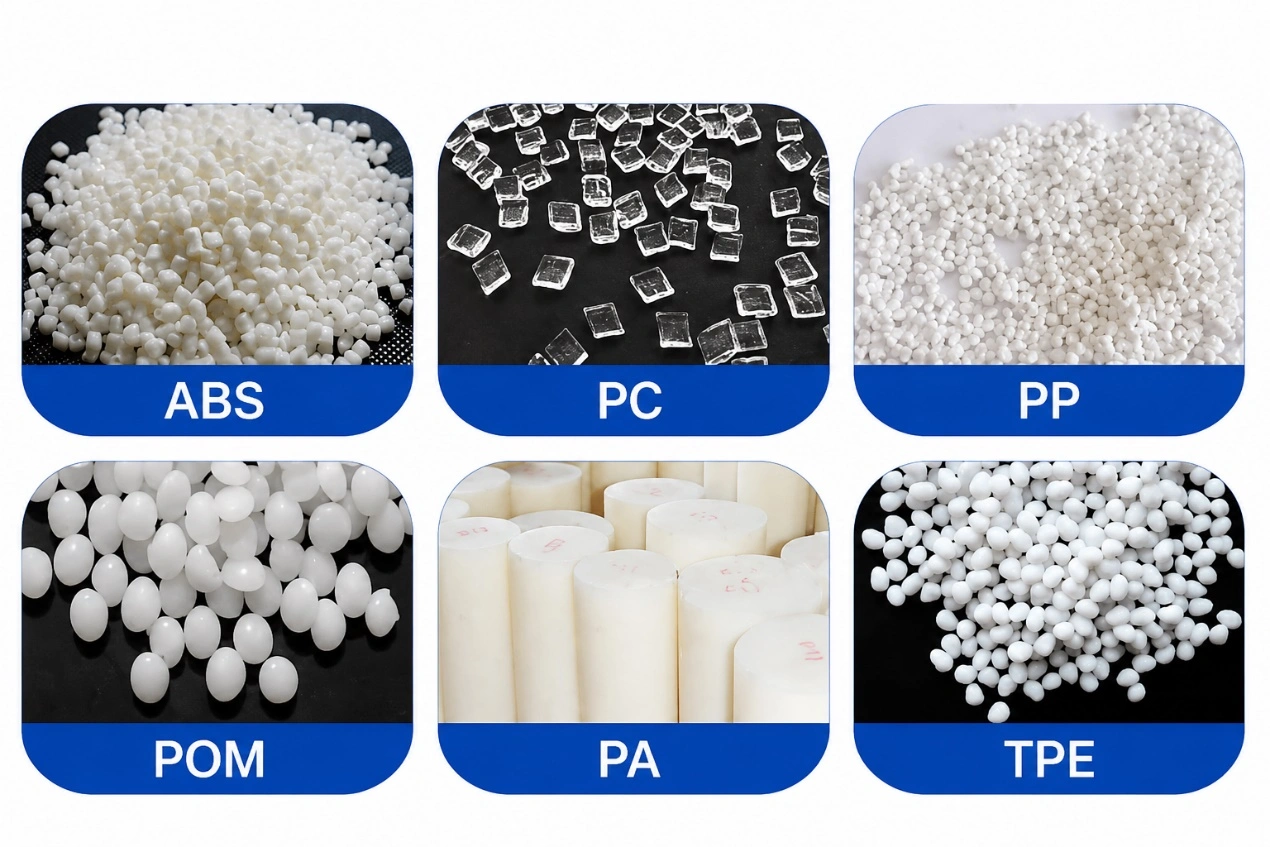
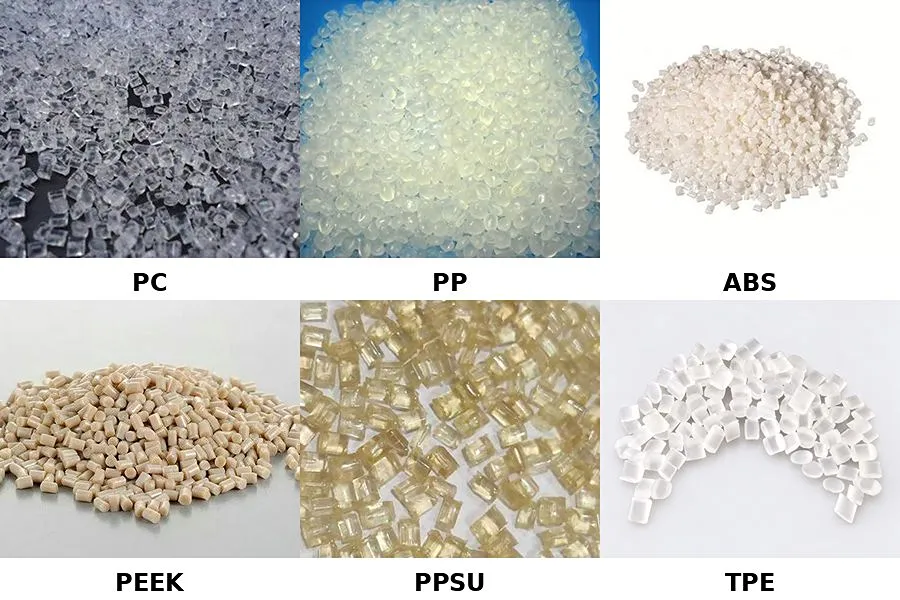
Commonly used plastics for medical equipment include PC, PP, ABS, PEEK, PPSU, PSU, PEI, TPE and TPU.
C
Plastic materials commonly used in medical equipment
1)Polycarbonate (PC)
Polycarbonate (PC) is a transparent amorphous engineering plastic with good impact resistance, rigidity and dimensional stability. The visible light transmittance of transparent PC can usually reach about 88-90%.
There are certain limitations on the chemical resistance of PC, especially in the environment of organic solvents, strong alkalis and some detergents, where attention needs to be paid to material softening and Environmental Stress Cracking (ESC).
2)Polypropylene (PP)
Polypropylene (PP) is a semi-crystalline thermoplastic plastic with low water absorption rate and good tolerance to many acids, alkalis, salt solutions and common chemical reagents. At the same time, it has low raw material cost and good fluidity. The heat resistance, rigidity and dimensional stability of PP are lower than those of PEEK, PPSU and other high-performance engineering plastics.
3)ABS
ABS is a thermoplastic plastic composed of Acrylonitrile, Butadiene and Styrene, which has good rigidity, impact resistance, surface quality and injection molding performance.
ABS has good surface quality and processing performance, but its high temperature resistance and chemical resistance are relatively limited. When in contact with some solvents, strong oxidizing agents and detergents, it is necessary to confirm the compatibility of specific brands.
4)Polyether ether ketone (PEEK)
Polyether ether ketone (PEEK) is a semi-crystalline high performance thermoplastic engineering plastic that offers good mechanical, heat, chemical resistance and dimensional stability. Melting temperature is approximately 343°C, and good mechanical properties can be achieved at higher temperatures.
The material price of PEEK is relatively high and the processing temperature is no doubt higher than that of PC, PP and ABS. High requirements of injection molding equipment, mold temperature and molding process.
5)PPSU/PSU/PEI
PPSU (polyphenylsulfone), PSU (polysulfone) and PEI (polyetherimide) are all amorphous engineering plastics of good heat resistance, mechanical strength and dimensional stability. Of these, PPSU has good impact resistance and hydrolysis resistance, PSU is good in rigidity and heat resistance, and PEI is high in strength and dimensional stability. Such materials tend to be more expensive and more difficult to process than materials like PC, PP and ABS.
6)TPE/TPU
TPE (thermoplastic elastomer) and TPU (thermoplastic polyurethane) are both thermoplastic materials, which are elastic and flexible, can be processed by injection molding process and can get different shore hardness. TPE is easily shaped, has high resistance, and TPU generally has excellent wear, tear, and mechanical properties. Different TPE and TPU brands differ greatly in chemical resistance, heat resistance, Compression Set and sterilization compatibility.
3. Key performance requirements of medical plastics
Based on the contact mode and use environment of the medical product, the corresponding biological, mechanical, thermal, chemical and optical performance requirements of the medical plastics must also be met.
1)Biocompatibility
Biocompatibility is a term describing the properties of a material or medical device that does not cause undesirable biological risks when in contact with humans.
The biocompatibility requirements of medical plastics are related to the contact site, contact method and contact time. Typical assessments are: Cytotoxicity, Sensitization and Irritation.
2)Chemical resistance
Chemical Resistance is the ability of plastic to retain its performance and dimensions following exposure to liquids, reagents, detergents and disinfectants.
Medical plastics should consider the chemical resistance of the product in the specific contact medium and study the following: swelling, softening, discoloration, cracking, weight change, and reduction in mechanical properties. The concentration, temperature and contact time of the chemical should also be taken into account for parts that are exposed to or cleaned repeatedly for a long period of time.
3)Mechanical properties and impact resistance
Mechanical properties are the ability of plastics to resist tensile, compression, bending, impact and long-term stresses.
Medical plastics must determine the Tensile Strength, Flexural Strength, Impact Strength, Elongation and Creep based on the actual stress which the parts will be subjected to. Fatigue Performance is also a consideration for parts that are subjected to repetitive loading as they should not permanently deform or break after extended use.
4)Heat resistance
Heat resistance is the ability of plastics to retain mechanical properties and dimensional stability at higher temperatures.
The medical plastics’ heat resistance mainly relies on use temperature and the use time. There are several evaluation parameters used, such as Heat Deflection Temperature (HDT), Glass Transition Temperature (Tg), Melting Temperature (Tm) and Continuous Use Temperature.
5)Dimensional stability
The dimensional stability is the characteristic of plastic parts that allows them to keep their initial size and shape after molding, temperature variations, absorption of moisture and prolonged use.
For medical plastics, the following factors should be taken into account: Mold Shrinkage, Water Absorption, Coefficient of Thermal Expansion (CTE) and Creep. In the case of connectors, valve bodies, threads and precision assembly components, the change in size must also be limited in the range defined by the product.
6)Transparency and optical performance
Transparency and optical properties are the ability of plastics to transmit light and retain its optical properties.
Generally, transparent medical plastics are assessed for Light Transmittance, Haze, color and optical clarity. The transparency and haze of ordinary observation windows are the main interest, while the transparent parts required for optical detection, sensor or analysis equipment also have optical accuracy requirements.
7)Sterilization compatibility
Sterilization compatibility is the ability of plastics to retain certain physical, mechanical and cosmetic properties after a specified sterilization method is applied.
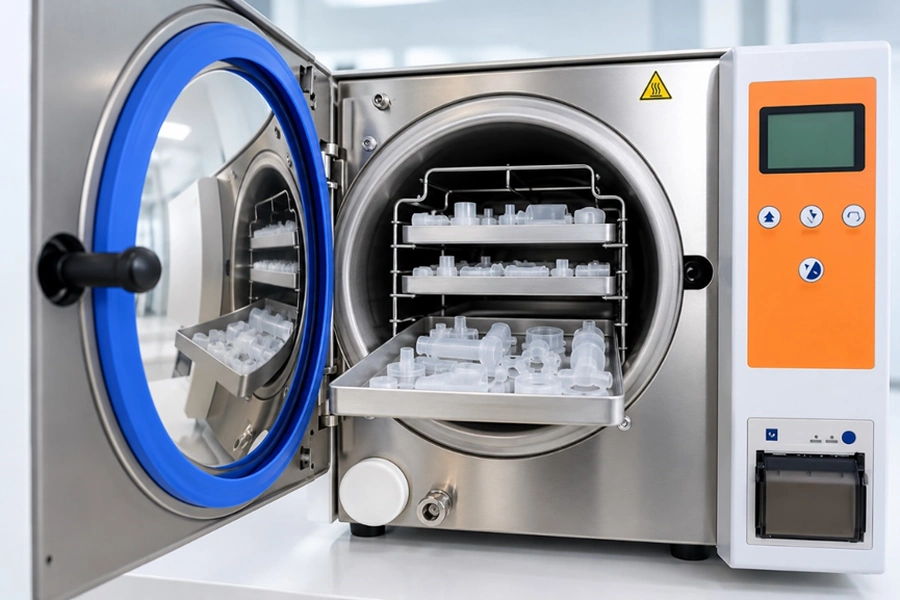
When evaluating medical plastics, the size change, discoloration, brittlement, loss of strength and cracking after sterilization in the actual Autoclave, EtO, Gamma or E-Beam are all important factors to consider. For reusable medical parts, performance changes after several sterilization cycles need to be considered as well.
4. Plastic selection for different medical applications
Different medical products have different requirements for transparency, mechanical strength, chemical resistance, flexibility and sterilization performance, and the commonly used materials are also different.
1)Disposable medical plastic parts
Disposable medical plastic components include sample cups, kits, diagnostic consumables, liquid containers and disposable fluid components. Such products are usually in large quantities and mainly used at room temperature. Commonly used materials include:
- Sample cups, reagent containers, diagnostic consumables: PP
- Parts that require a certain degree of transparency and rigidity: PC
- Flexible connection, sealing and soft parts: TPE / TPU
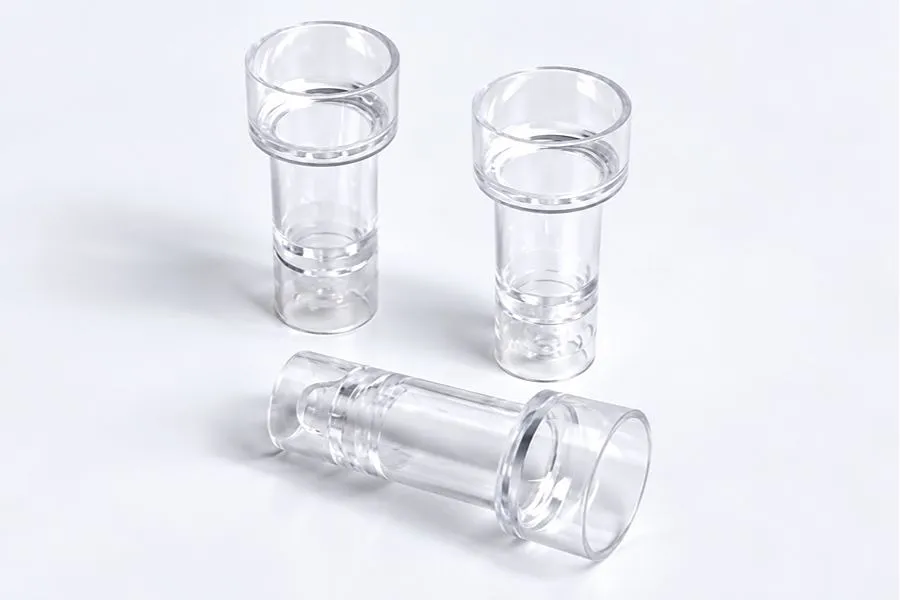
Disposable medical plastic parts
2)Shell of diagnostic and monitoring equipment
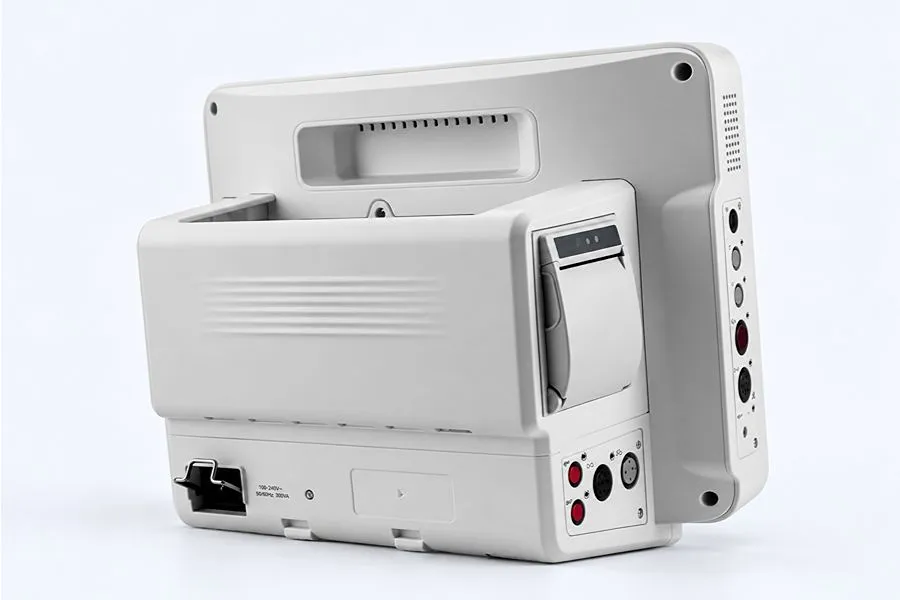
Diagnostic equipment and monitoring equipment include blood analyzers, monitors, testing instruments and other desktop or portable medical equipment. The shell mainly needs rigidity, impact resistance, dimensional stability and good surface quality. Commonly used materials include:
- Common equipment shell and internal structural parts: ABS
- High impact resistance shell: PC
- Transparent cover and transparent observation area: PC
- Soft grip and cushioning area: TPE / TPU
Shell of diagnostic and monitoring equipment
3)Transparent medical plastic parts
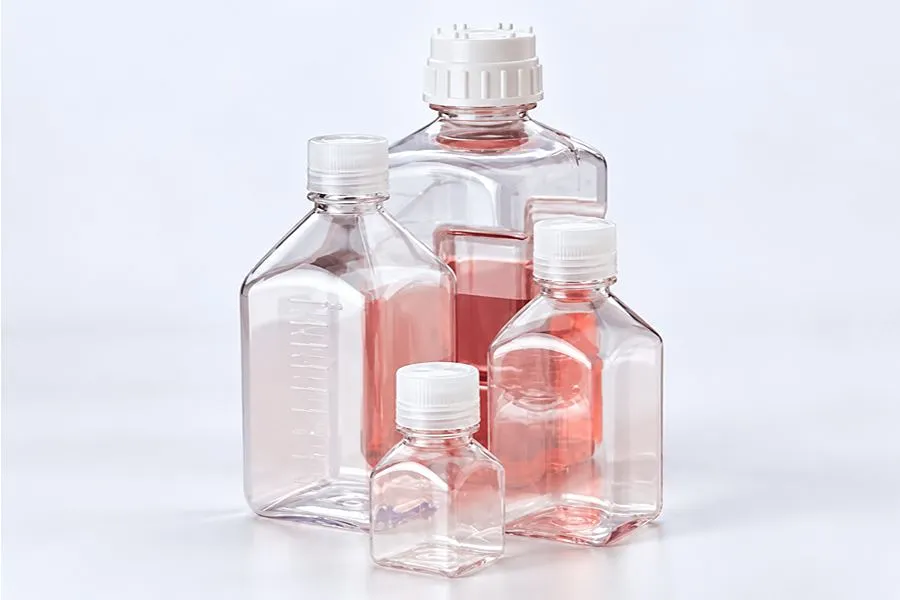
Transparent medical parts include transparent liquid storage parts, observation windows, transparent protective covers, and parts that need to observe internal liquids or mechanical structures. PC is a commonly used engineering plastic for such parts; if transparent parts still need to withstand high-temperature sterilization, PPSU, PSU and other high-temperature transparent engineering plastics can be further considered according to the working temperature and sterilization cycle.
Transparent medical plastic parts
4)Medical fluid treatment parts
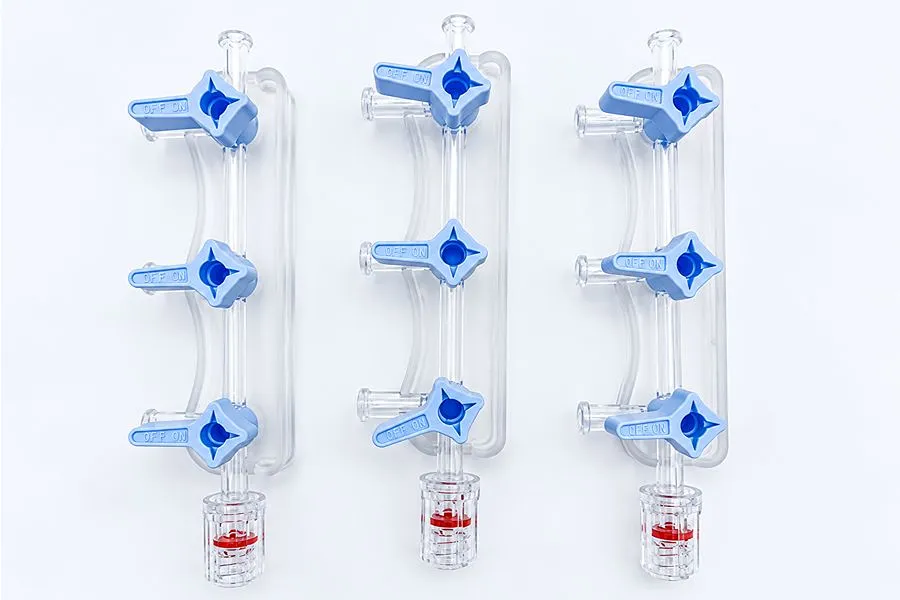
Medical fluid handling components include Reagent Connector, Manifold, Valve Body, Pump Component, Fluid Fitting and other liquid conveying parts. These parts may come into long-term contact with blood, buffers, liquids, acid-base reagents or detergents. Common choices include:
- Normal temperature, low-load reagents and fluid components: PP
- Fluid parts that require transparent observation: PC
- High-temperature and high-strength precision fluid parts: PEEK
- Flexible connection and sealing parts: TPE / TPU
5)Reusable and sterilized medical parts
Reusable medical parts will undergo many cleanings and sterilizations, so the materials need to continue to maintain mechanical properties and dimensional stability after repeated temperature cycles. Commonly used high-performance materials include:
- Repeated high-temperature steam sterilization parts: PPSU
- Heat-resistant structural parts: PSU / PEI
- High-temperature, high-load precision parts: PEEK
6)Medical seals and flexible components
Medical seals and flexible components include Seal, Flexible Connector, Soft-Touch Grip, Flexible Valve Component and buffer components. Commonly used materials are mainly TPE and TPU.
Medical seals and flexible parts
5 Conclusion
Medical-grade plastics need to be selected according to specific products. PP is suitable for a large number of disposable consumables; PC is suitable for transparent and impact-resistant parts; ABS is often used for medical equipment shells; PEEK, PPSU, PSU and PEI are suitable for high-temperature, high-strength or re-sterilized medical parts; TPE and TPU are mainly used for sealing and Flexible structure.
Holly provides injection molding services for engineering plastics such as PC, PP, ABS, PEEK, PPSU, PSU, PEI, TPE and TPU, and can produce shells, fluid components, connectors, transparent parts and precision structural parts in medical and diagnostic equipment. If there is a medical plastic parts project, you can send 3D drawings, material brand numbers and usage requirements for DFM and injection molding quotation.