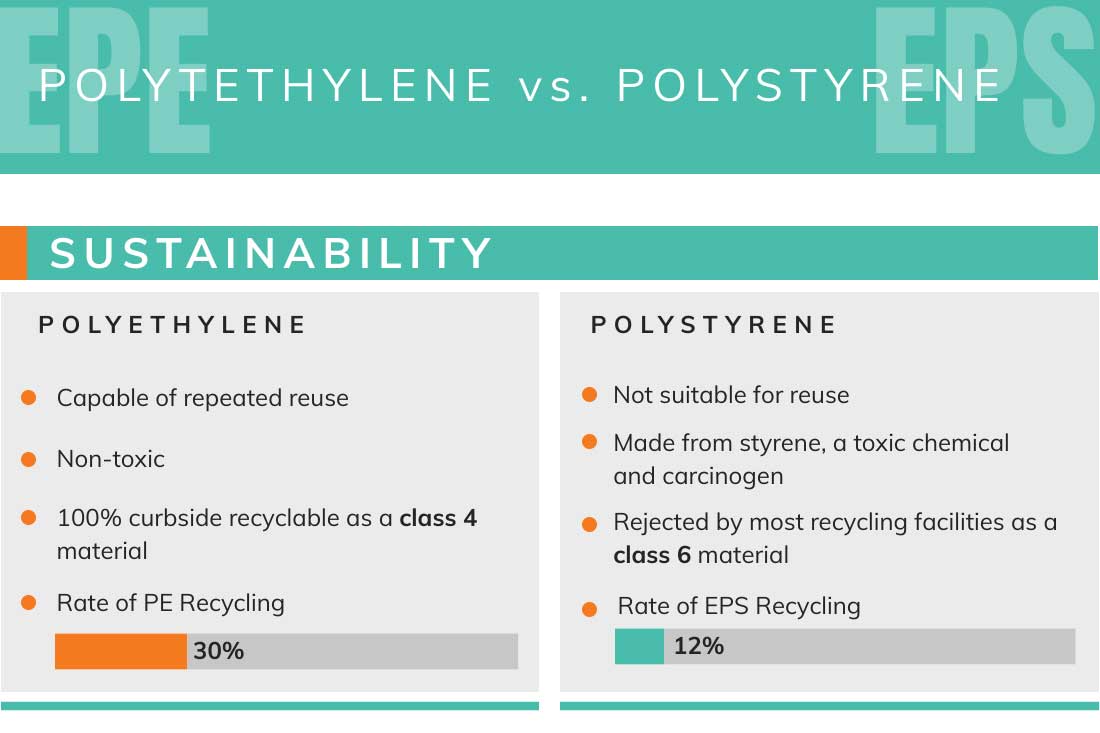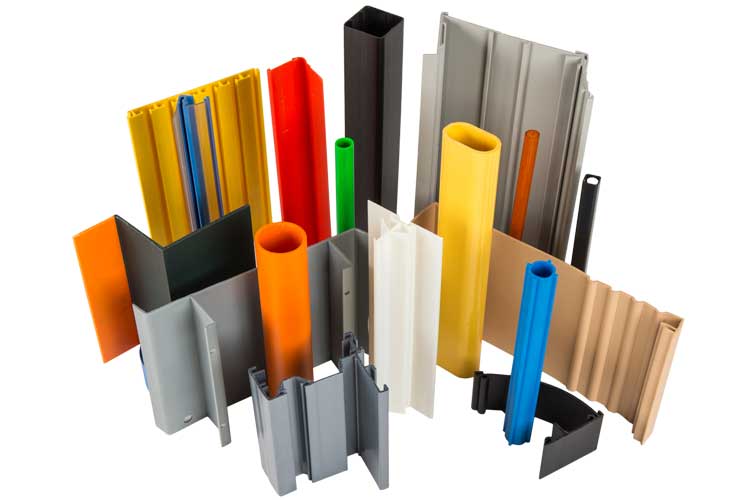
In injection molding projects, engineers often ask: Should this housing use ABS or PC/ABS? Why is POM preferred over PA for gears? Why does adding glass fiber increase strength but also make parts more prone to warpage?These questions are not simply about comparing materials. They require a comprehensive evaluation of product function, service environment, and molding conditions.
When selecting a material, first determine what the part must withstand—impact, continuous load, high temperature, chemicals, dimensional fit, or outdoor weathering. A material with superior performance in one property is not necessarily the best choice for the product.The real objective of material selection is to achieve the right balance between performance, processing stability, cost, and production risk.Based on Holly’s engineering experience across multiple injection molding projects, this guide systematically reviews the characteristics, applications, and selection risks of common injection molding materials to support product design and material selection.
1. Common Injection Molding Materials and Their Applications
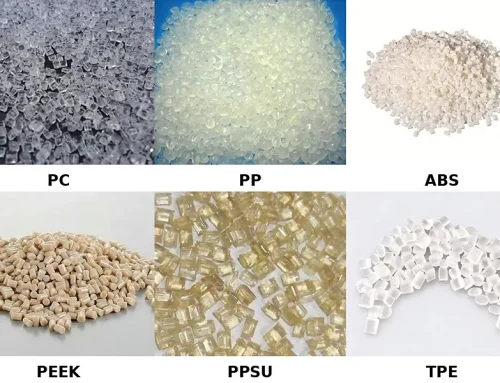
Plastic materials used for injection molding generally fall into three categories: commodity plastics, engineering plastics, and high-performance plastics. These categories differ significantly in mechanical properties, heat resistance, processing requirements, and cost.
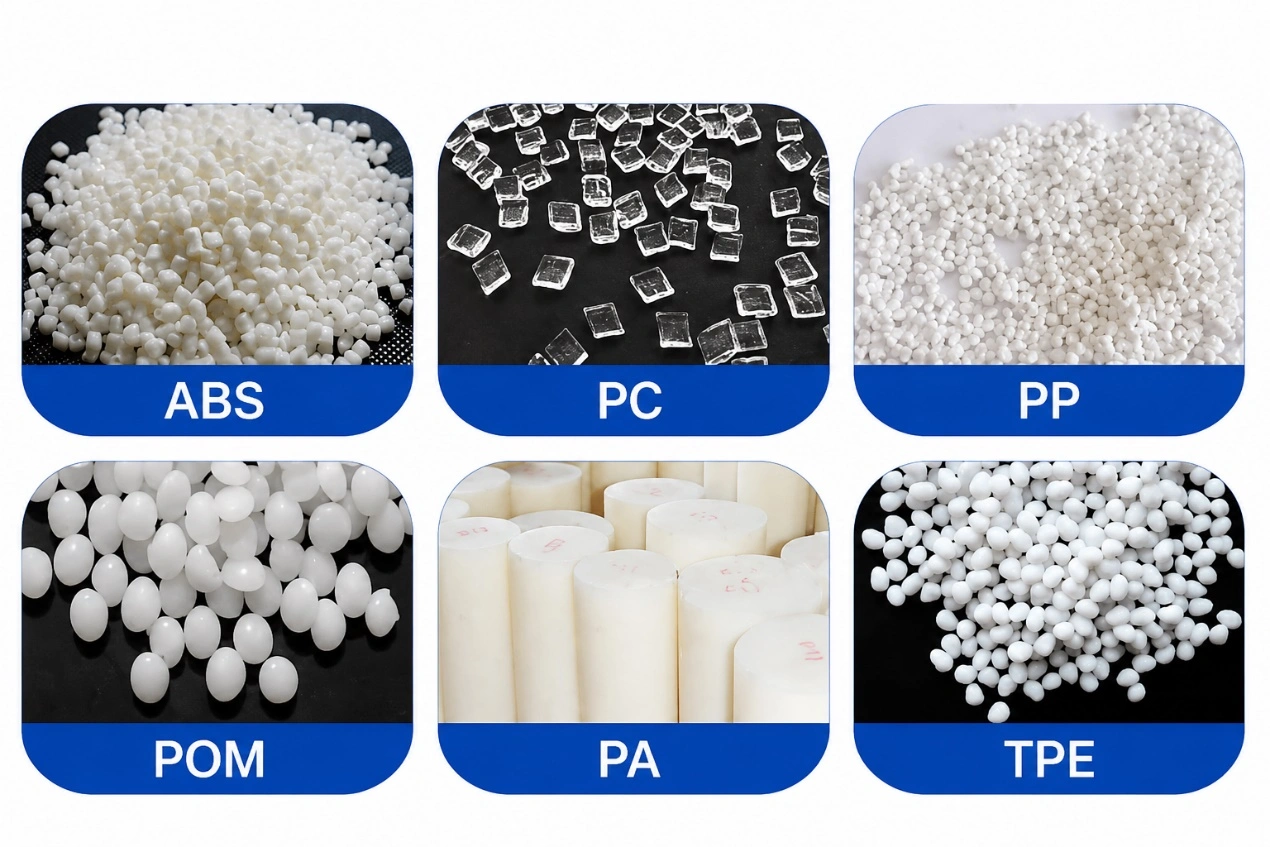
Common Injection Molding Plastic Materials
1) Commodity Plastics
The following materials are commonly used commodity plastics in injection molding:
| Material | Engineering Positioning | Main Advantages | Main Limitations | Common Applications |
| PE | Flexible material with good low-temperature and corrosion resistance | Low cost, good toughness, and almost no moisture absorption | Low rigidity and heat resistance; continuous service temperature is usually below 60°C; high shrinkage | Containers, pipe fittings, water tanks, and packaging parts |
| PP | Lightweight, fatigue-resistant material with high cost efficiency | Good flowability, strong chemical resistance, and suitable for living hinges | Prone to warpage; poor low-temperature toughness below -10°C and limited weather resistance | Consumer products, automotive parts, appliances, and hinge structures |
| PS | Easy-to-mold appearance material with good surface quality | Transparent, high gloss, dimensionally stable, and low cost | Brittle, low heat resistance, generally below 60°C, and poor solvent resistance | Packaging, transparent boxes, and static cosmetic parts |
| PVC | Flame-retardant, electrically insulating, and corrosion-resistant material | Good self-extinguishing performance, acid and alkali resistance, and relatively low cost | Poor thermal stability and stricter processing and environmental requirements | Pipes, wire sheathing, and construction components |
| ABS | Cosmetic-grade material with balanced overall performance | Good surface quality, suitable for painting and plating, and stable processing | Softens under prolonged exposure above 85°C; moderate weather and solvent resistance | Appliance housings, consumer electronics, and automotive interiors |
a) PE (Polyethylene)
PE is a crystalline plastic available mainly as higher-rigidity HDPE and more flexible LDPE. It has relatively high molding shrinkage and is not suitable for high-precision parts. Its low surface energy also requires surface treatment before bonding, painting, or electroplating.
b) PP (Polypropylene)
PP works well for living hinges and repeatedly flexed structures, but crystalline shrinkage and uneven cooling can cause warpage. Multi-gate or load-bearing designs must also account for weld-line locations. For outdoor service, use a weather-resistant modified grade.
c) PS (Polystyrene)
PS is an amorphous plastic. General-purpose PS provides high transparency but is noticeably brittle, while HIPS improves impact strength through rubber modification. PS is better suited for static cosmetic parts and should not be used for clips, load-bearing components, or structures under repeated long-term loading.
d) PVC (Polyvinyl Chloride)
PVC is available in rigid and flexible grades, with plasticizers used to adjust flexibility. Its processing temperature window is narrow. Excessive temperature or residence time may cause decomposition and equipment corrosion. For food and medical applications, verify compliance of the specific formulation.
e) ABS (Acrylonitrile Butadiene Styrene)
ABS is suitable for painted, plated, and high-appearance products, but its weather resistance and long-term heat resistance are limited. Outdoor parts should normally use ASA or weather-resistant modified ABS. When the part contacts solvents, also assess the risk of environmental stress cracking.
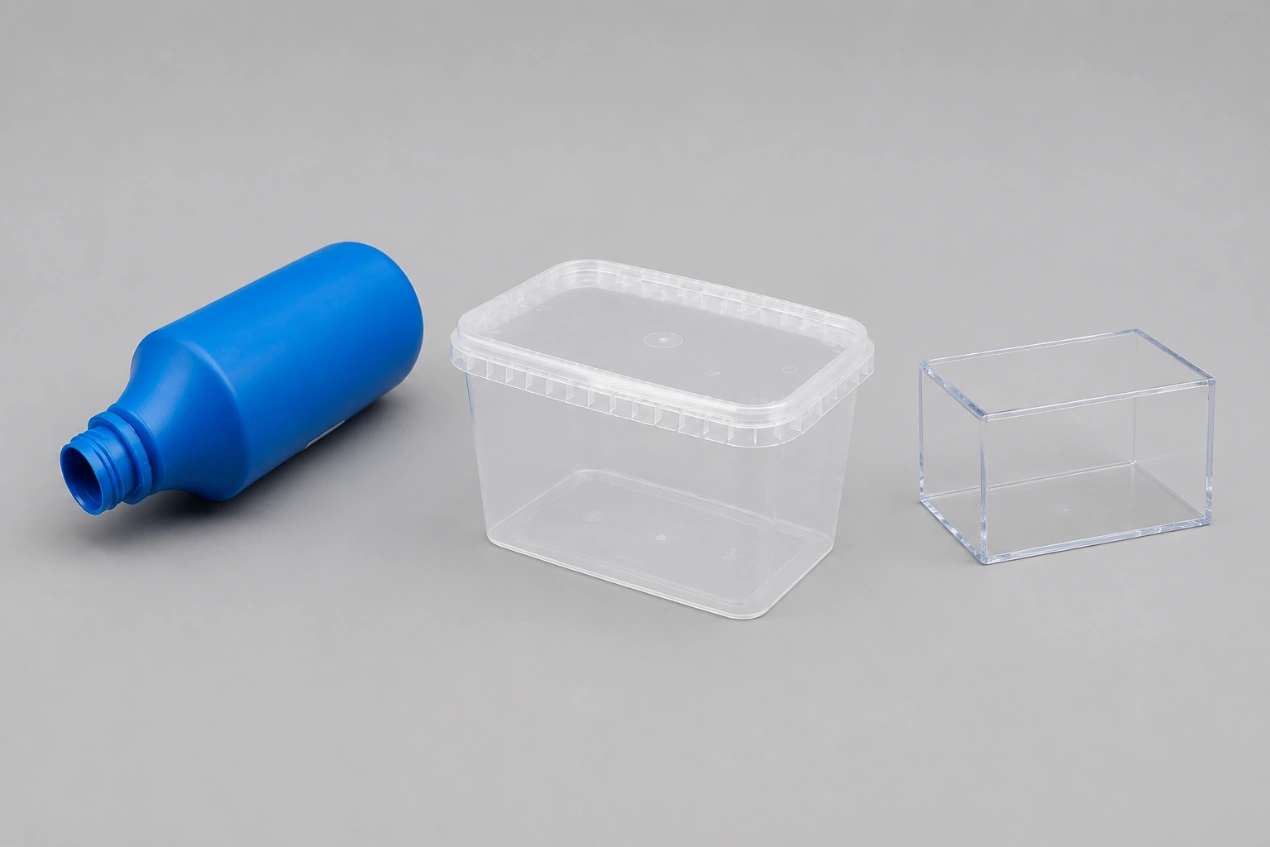
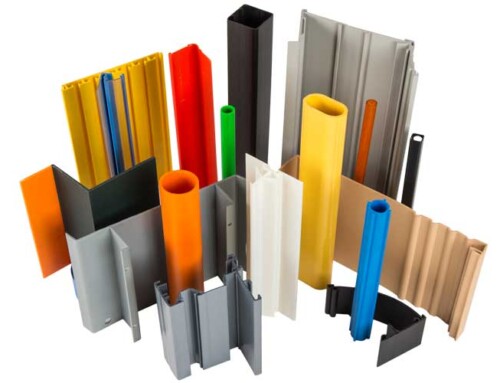
Commodity Plastic Products
2) Engineering Plastics
Engineering plastics are normally used for parts requiring higher strength, heat resistance, wear resistance, dimensional stability, or electrical performance.
Their performance advantages are clear, but engineers must also pay closer attention to processing windows, moisture absorption, and environmental stress-cracking risks.
| Material | Engineering Positioning | Main Advantages | Main Limitations | Common Applications |
| PC | High-impact, transparent, heat-resistant material | High impact strength, transparency, dimensional stability, and creep resistance | Susceptible to hydrolysis and stress cracking; moderate flowability | Transparent housings, guards, lamp covers, and structural parts |
| PA6/PA66 | High-strength, wear- and fatigue-resistant material | High strength, self-lubricating, oil-resistant, and suitable for glass-fiber reinforcement | High moisture absorption; dimensions change with humidity | Gears, bearings, automotive parts, and mechanical components |
| POM | Low-friction, highly wear-resistant transmission material | Wear-resistant, self-lubricating, good fatigue performance, and dimensionally stable | Relatively limited weld-line strength, moderate flame resistance, and sensitive to thermal decomposition | Gears, slides, clips, and precision transmission parts |
| PBT/PET | Low-moisture, electrically insulating precision material | Dimensionally stable, heat-resistant, and electrically insulating | Limited toughness and strict drying requirements | Connectors, coil bobbins, and electrical housings |
| PMMA | High-transmission, weather-resistant optical material | High light transmission, UV resistance, and high surface hardness | Lower impact strength and high risk of internal stress cracking | Lamp covers, lenses, display panels, and decorative transparent parts |
a) PC (Polycarbonate)
In actual applications, the main risks with PC usually come from insufficient drying and residual stress. Moisture can cause hydrolytic embrittlement. When assembly stress combines with alcohol, cleaners, or similar media, environmental stress cracking may occur.
b) PA (PA6/PA66)
PA6 provides better toughness and flowability, while PA66 offers higher rigidity and heat resistance. Both absorb moisture, which changes dimensions and stiffness. Glass-fiber reinforcement also increases directional shrinkage and warpage risk.
c) POM (Polyoxymethylene)
POM has a narrow processing temperature window and may decompose if held at high temperature for too long. Its low surface energy also makes bonding, painting, and electroplating difficult.
d) PBT/PET (Polyester Plastics)
PBT is better suited for conventional precision injection molding, while PET requires tighter control of drying, mold temperature, and crystallization. Excess moisture causes hydrolysis in both materials, leading to embrittlement and reduced long-term strength.
e) PMMA (Acrylic)
PMMA provides higher light transmission and better weather resistance than PC, but its impact strength is significantly lower. Sharp corners, screw fastening, and assembly interference can trigger cracking, so it is not suitable for parts carrying significant impact loads.
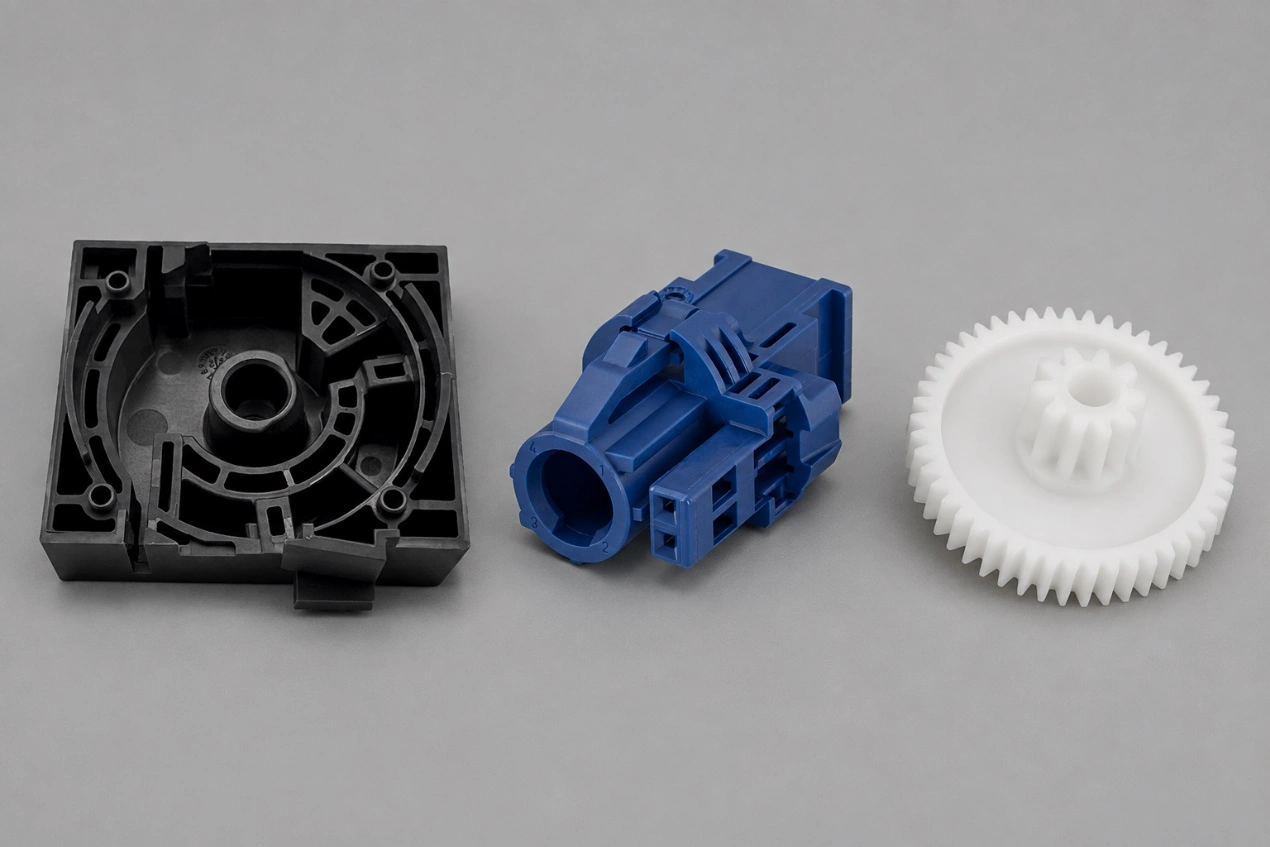
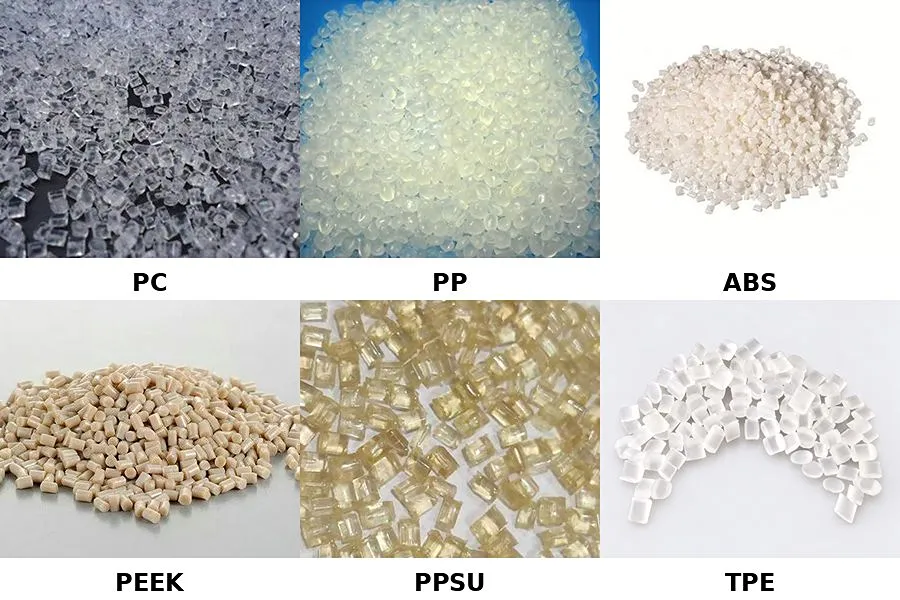
Engineering plastic products
3) High-Performance Plastics & Elastomers
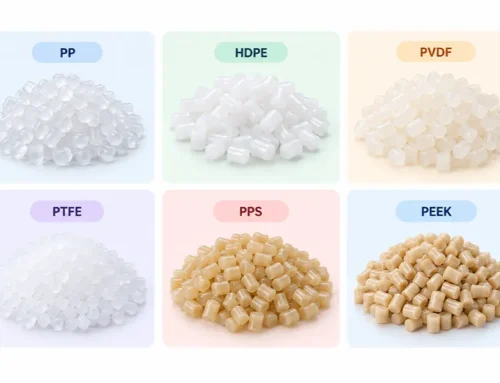
High-performance plastics are designed for demanding applications involving high temperatures, tight dimensional tolerances, corrosive environments, long-term loading, or SMT reflow soldering. Elastomers combine flexibility and elasticity, making them suitable for seals, anti-slip components, and two-shot overmolding applications.
| Material | Engineering Positioning | Main Advantages | Main Limitations | Typical Applications |
| PEEK | Ultra-high-performance structural material | Excellent heat resistance, corrosion resistance, and mechanical properties | High cost and difficult processing | Medical devices, aerospace, and semiconductor equipment |
| PPS | High-temperature electrical material | Excellent heat resistance, inherent UL 94 V-0 flame retardancy, and dimensional stability | Moderate toughness and relatively high cost | Connectors, relays, and automotive electronics |
| LCP | Ultra-precision thin-wall material | Withstands 260°C reflow soldering, ultra-low shrinkage, and excellent flowability | Strong anisotropy and high cost | Micro connectors and electronic components |
| TPU / TPE | Flexible elastomer | Wear-resistant, anti-slip, and suitable for two-shot overmolding | Moderate heat resistance and dimensional stability | Handles, seals, and consumer electronics |
| LSR | Medical- and food-grade silicone rubber | Operates from -50°C to 200°C with excellent biocompatibility | Requires dedicated equipment and has relatively high manufacturing cost | Medical devices, baby products, and sealing components |
a) PEEK (Polyether Ether Ketone)
PEEK has a continuous service temperature of approximately 240°C, while its injection molding temperature typically exceeds 370°C. Processing requires specialized equipment, molds, and strict process control. It is therefore mainly used in high-temperature, corrosion-resistant, or medical applications where conventional engineering plastics cannot meet the performance requirements.
b) PPS (Polyphenylene Sulfide)
PPS has a moisture absorption rate of approximately 0.02–0.05% and a continuous service temperature of about 220°C. It also provides inherent flame retardancy. Unfilled PPS has limited toughness, while glass-fiber-reinforced grades are prone to fiber read-through, making them better suited for high-temperature precision functional components.
c) LCP (Liquid Crystal Polymer)
LCP typically has a molding shrinkage below 0.3%, making it ideal for miniature thin-wall connectors. However, its pronounced anisotropy means that gate location and load direction directly affect part strength and warpage.
d) TPU / TPE (Thermoplastic Elastomers)
TPU and TPE are well suited for anti-slip, cushioning, and two-shot overmolding applications. However, they are prone to creep under long-term compressive loading, and their continuous service temperature generally does not exceed 100°C. They are therefore unsuitable for high-precision load-bearing structural components.
e) Liquid Silicone Rubber (LSR)
LSR requires dedicated liquid silicone injection molding equipment and specialized molds. Compared with thermoplastics, it has a longer molding cycle and higher manufacturing cost. It is intended for flexible components only and is not suitable for load-bearing structural parts.
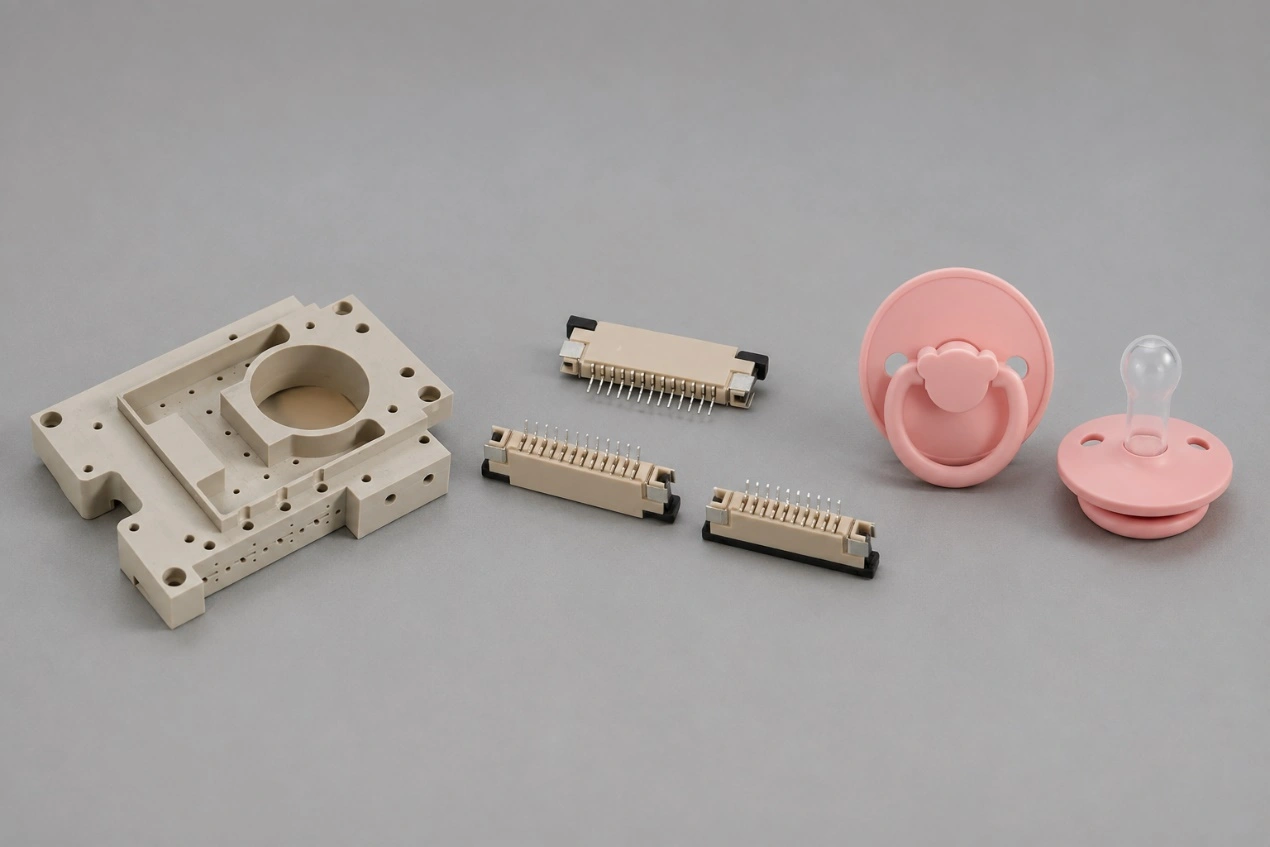
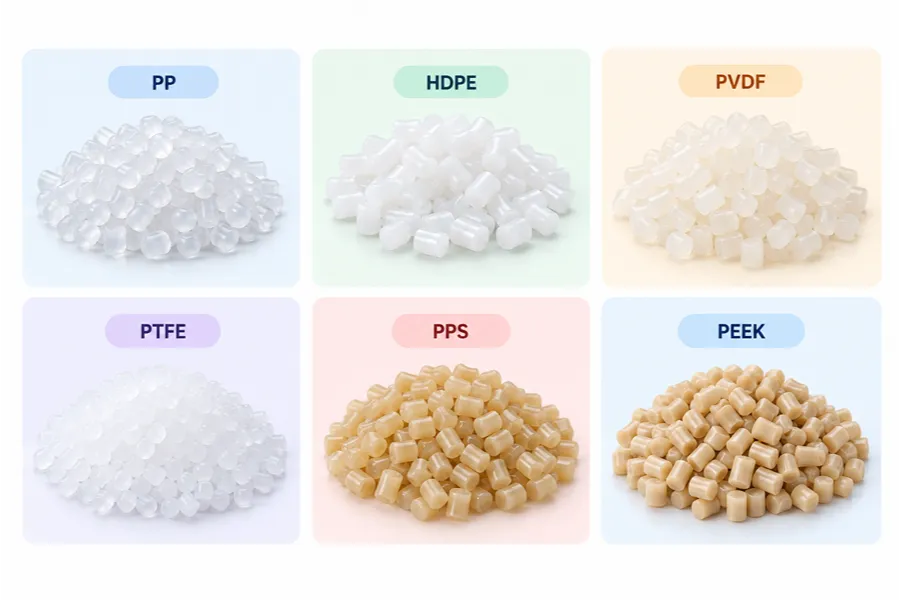
High-Performance Plastic Products
2. Injection Molding Material Comparison
The following comparison evaluates mainstream injection molding materials across five key performance categories: mechanical properties, heat resistance, chemical resistance, dimensional stability, and processability.
1) Mechanical Properties
Impact Resistance: PC > PC/ABS > Toughened PA66 > ABS > POM > PP > PS/PMMA
Wear Resistance & Fatigue Resistance: POM > PA66 > PBT > PEEK > PP
Stiffness: Glass-fiber-reinforced LCP/PPS > PA66+GF > PC+GF > Unfilled Engineering Plastics > Commodity Plastics
2) Heat Resistance
Evaluate continuous service temperature separately from peak operating temperature. As a general guideline, the material’s continuous service temperature should exceed the product’s maximum operating temperature by at least 15°C.
General-purpose plastics (PP / ABS / PS): ≤80°C
Standard engineering plastics (PC / PA66 / PBT): 80–120°C
High-performance plastics (PPS / LCP / PEEK): 120–240°C
3) Chemical and Environmental Resistance
Resistance to acids, alkalis, and salts: PE, PP, PPS > PA > POM > ABS/PC
Resistance to organic solvents: POM, PPS, and PEEK perform best, while PC and ABS are highly susceptible to cracking when exposed to ketone- and ester-based solvents.
UV and weather resistance: ASA, PMMA, and PEEK provide good long-term outdoor performance.
4) Dimensional Stability
Amorphous materials (ABS / PC / PC/ABS) have a molding shrinkage of approximately 0.2%–0.7% and provide good dimensional stability.
Unfilled crystalline materials (PP / PA / POM) typically shrink by 1.0%–3.0%, making them more susceptible to warpage and sink marks.
Glass-fiber-reinforced high-performance materials (PPS+GF, LCP+GF) generally have a shrinkage below 0.4% and are well suited for precision parts requiring high dimensional stability.
5) Processability
L/T > 120: High-flow PP, high-MFI ABS, and PC/ABS are suitable for precision thin-wall parts with wall thicknesses of 0.4–0.8 mm.
L/T 80–120: Standard PA, PC, and PBT.
L/T < 60: POM, PEEK, and standard PC are not suitable for long, thin-wall geometries.
Highly hygroscopic materials also require strict moisture control.
For PA6 and PA66, a moisture content above 0.2% can cause silver streaks and air bubbles during molding. Parts stored in humid environments may expand by approximately 0.3%–0.5%.
For PC, excessive moisture causes hydrolysis during molding, sharply reducing impact strength. The molded part may crack during assembly under even moderate loading.
3. Material Selection by Application
Different products place different demands on material performance. The following sections outline common material selection practices for several industries.
1) Housings & Enclosures
Key requirements: High-quality cosmetic finish with no visible defects, good dimensional stability, impact resistance, suitability for painting or plating, and stable mass production. Recommended materials:
General indoor housings: ABS or HIPS. These materials offer good cost performance, easy processing, and good surface finish.
Premium impact-resistant housings: PC/ABS blends. They balance toughness, appearance, and processability, making them suitable for thin-wall precision housings.
Transparent housings: Optical-grade PC or PMMA.
Outdoor housings: ASA or UV-stabilized PC. These materials provide improved weather resistance and help prevent the aging issues commonly seen with standard ABS.
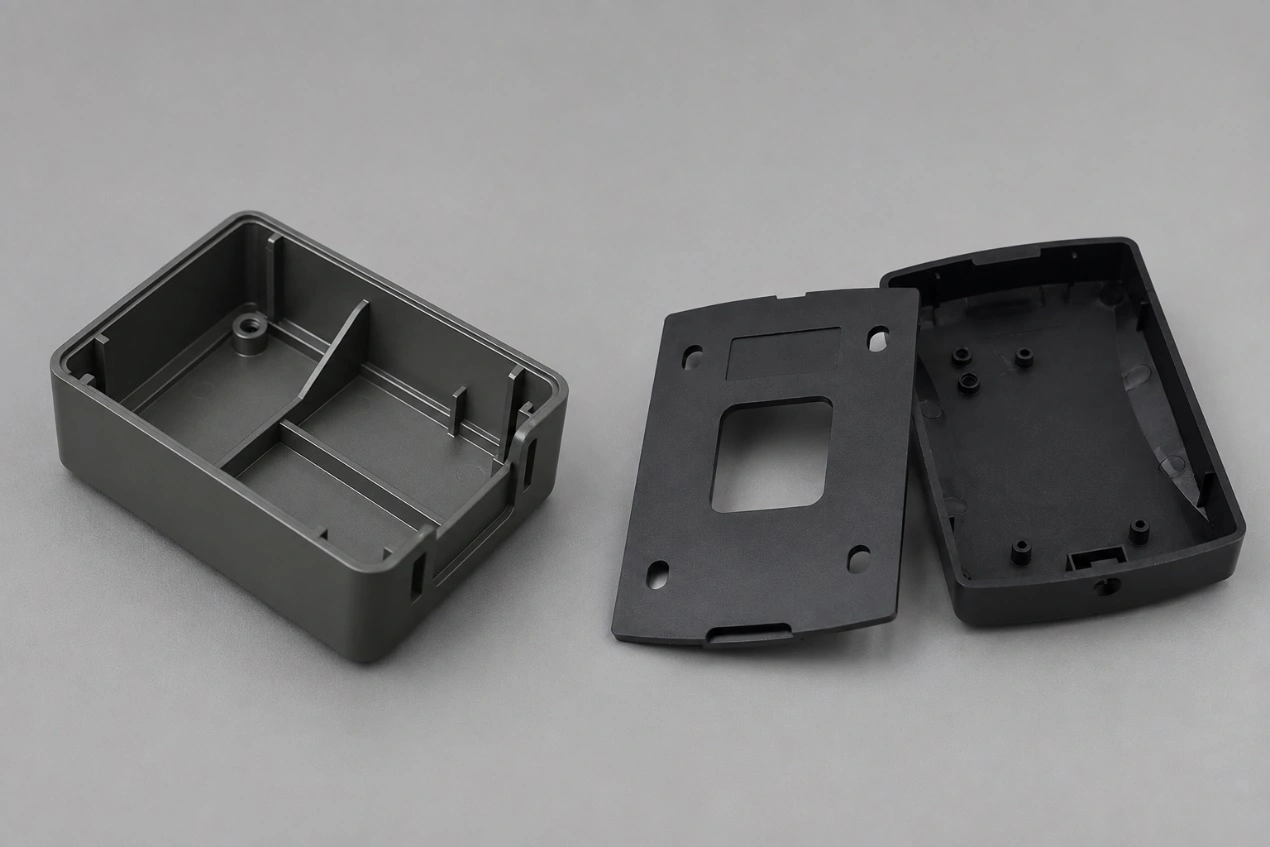
Housing Components
2) Connectors & Electrical Parts
Key requirements: Electrical insulation, flame retardancy, dimensional stability at elevated temperatures, reflow soldering resistance, low moisture absorption, and stable long-term electrical performance. Recommended materials:
General low-voltage electrical components: Flame-retardant PA66+GF or PBT+GF. Both provide good electrical insulation with competitive cost performance.
SMT connectors: LCP+30GF or PPS+40GF. These materials withstand 260°C reflow soldering, minimize warpage, and provide excellent flame-retardant performance.
Precision miniature terminals: LCP. Its low shrinkage makes it suitable for tight dimensional tolerances.
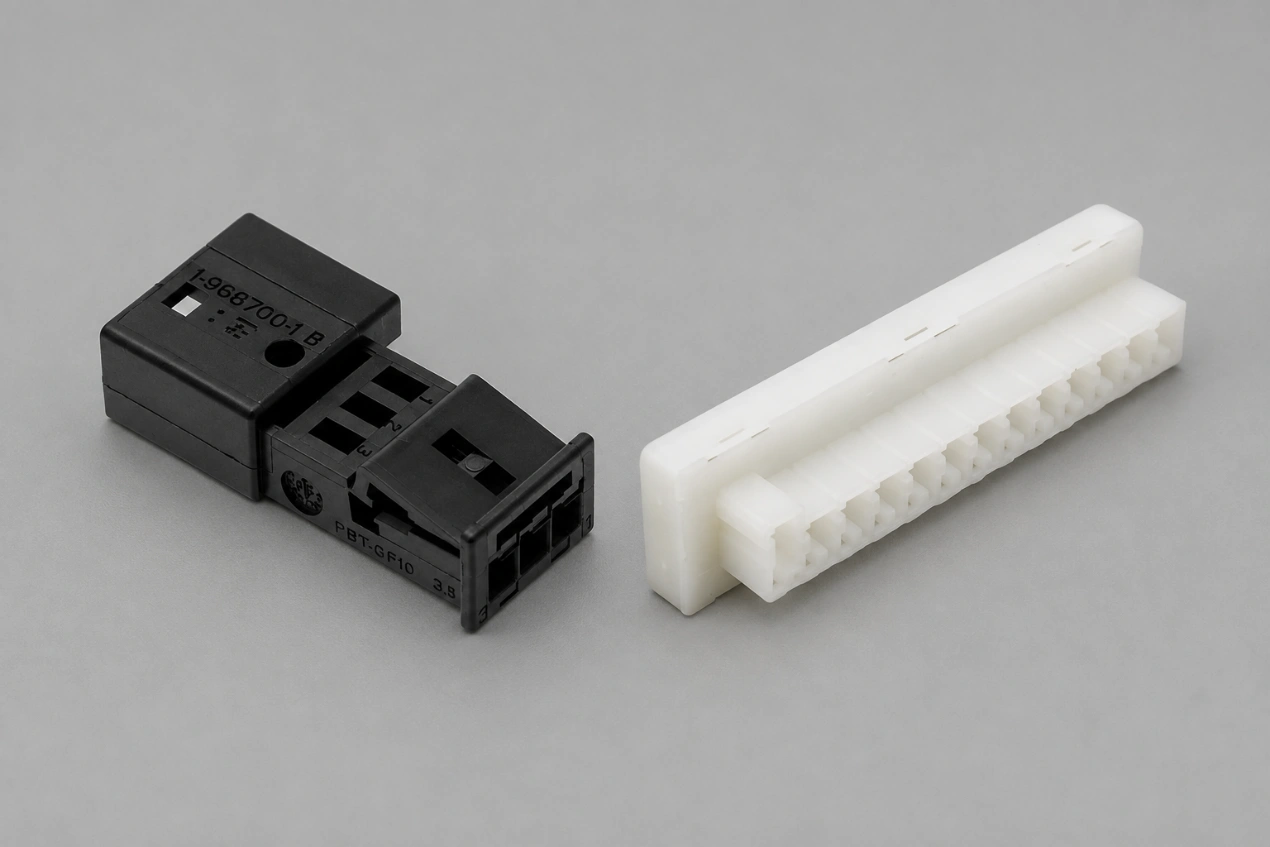
Electronic Connectors
3) Gears & Mechanical Parts
Key requirements: Wear resistance, self-lubrication, fatigue resistance, dimensional stability, resistance to lubricating oils, and low operating noise. Recommended materials:
General low-speed gears and slides: Copolymer POM, offering excellent wear resistance and self-lubricating properties.
Medium- to high-speed load-bearing gears: PA66+GF or PBT+GF. These materials provide a balanced combination of stiffness, strength, and wear resistance.
High-end precision transmission components: PEEK, which delivers outstanding fatigue resistance, heat resistance, and long-term dimensional stability.
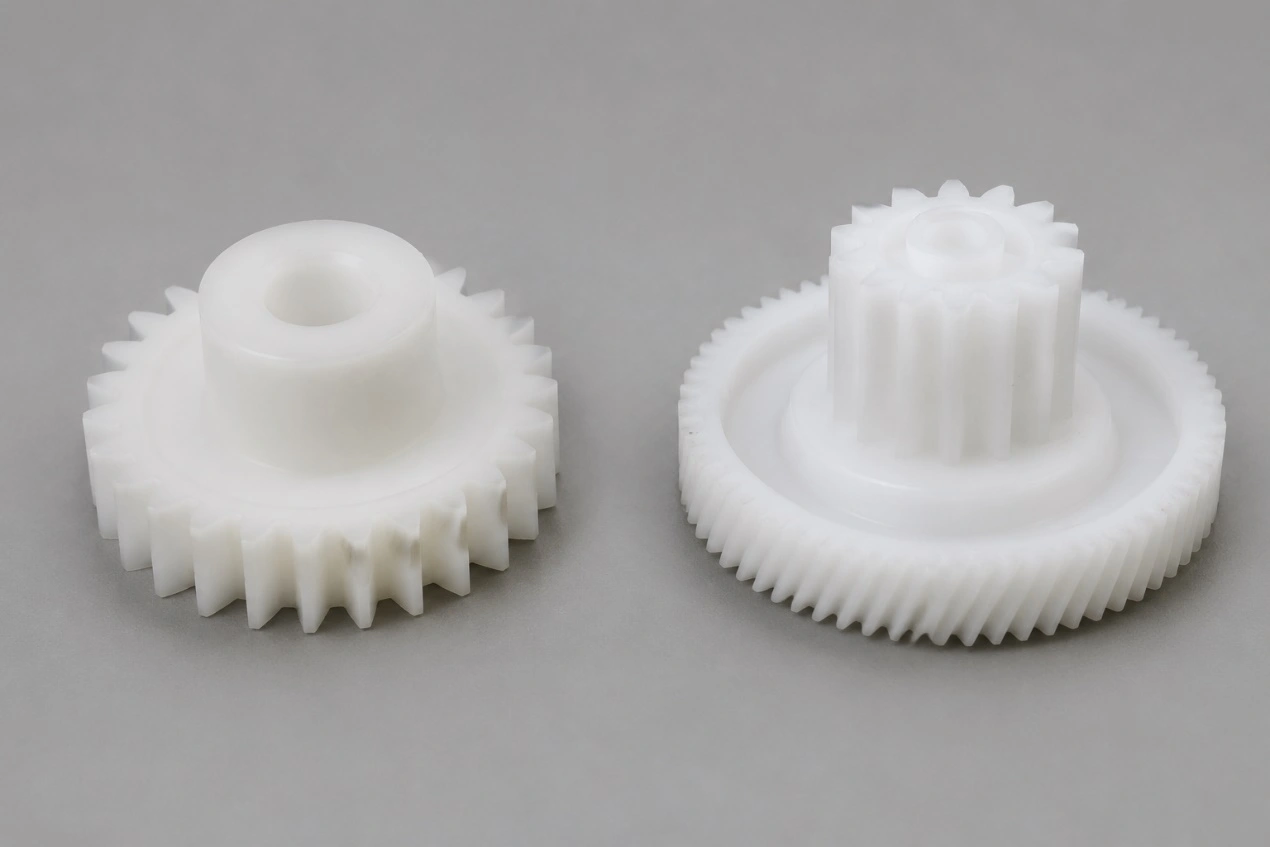
Gears & Mechanical Parts
4) Automotive Components
Key requirements: Resistance to repeated high- and low-temperature cycling, engine oil and coolant, lightweight construction, high reliability, and long-term aging resistance. Recommended materials:
Interior trim and appearance parts: Modified PP or PC/ABS blends, providing low odor, good appearance, and adequate heat resistance.
High-temperature engine compartment components: PBT, PA66+GF, or PPS, suitable for elevated temperatures and exposure to automotive fluids.
Exterior body components: ASA or UV-stabilized PC, offering good UV resistance and resistance to yellowing.
Seals and cushioning components: TPU or TPE, combining oil resistance, aging resistance, and elastic sealing performance.
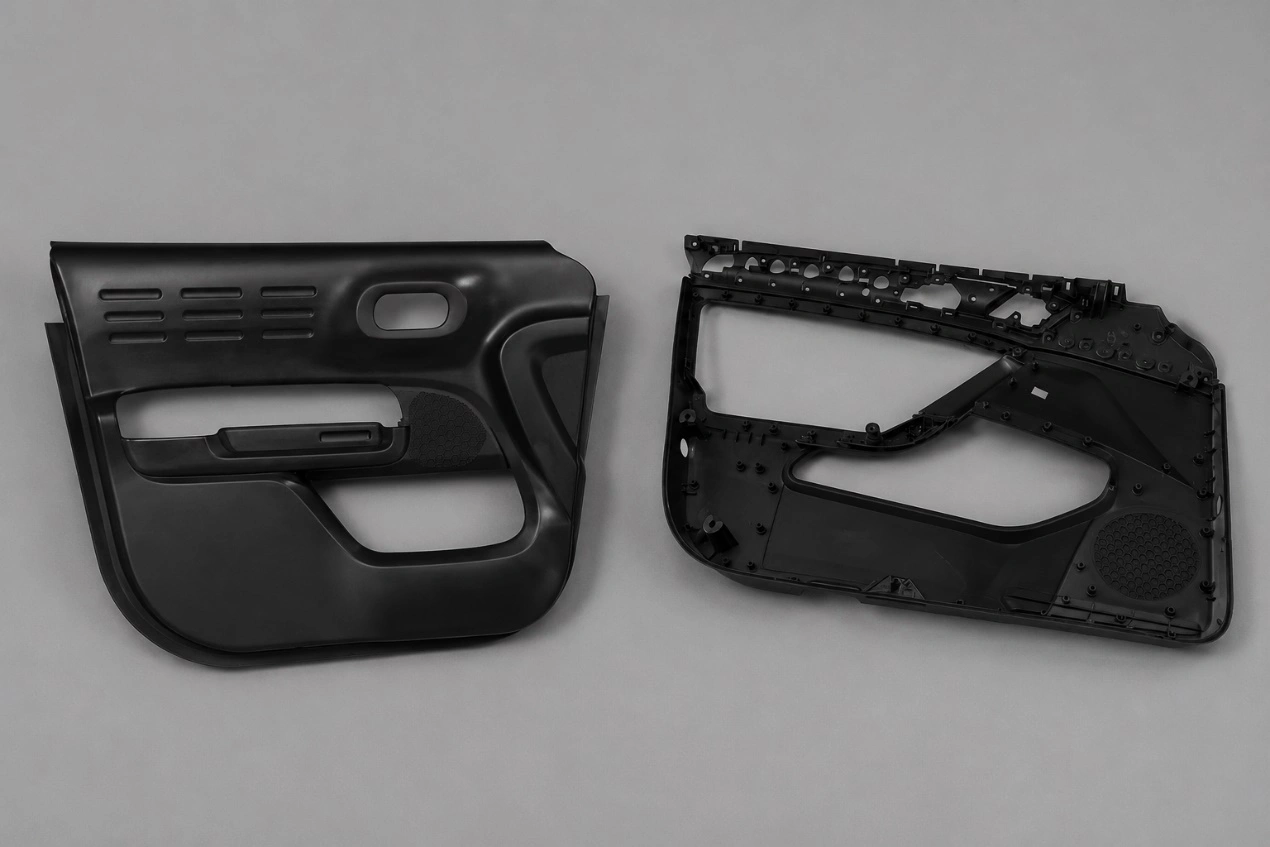
Automotive Components
5) Medical & Food Contact Parts
Key requirements: Compliance with food-contact or medical regulations, non-toxicity, sterilization resistance, and good biocompatibility. Recommended materials:
Disposable products: Food-grade or medical-grade PP and PE, offering low cost while remaining odorless and non-toxic.
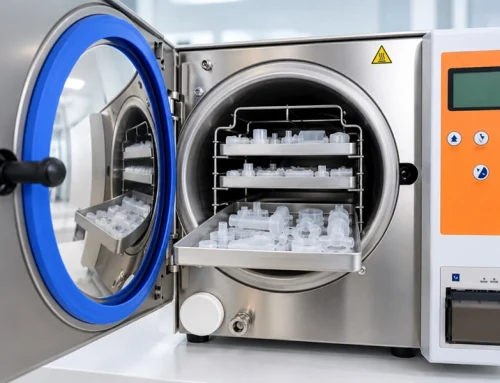
Reusable sterilizable devices: Medical-grade PC, PEEK, or LSR. Select the appropriate grade based on the sterilization method, such as steam sterilization or ethylene oxide (EtO).
Sealing components: Medical-grade LSR, providing excellent biocompatibility and sealing performance.
Note: For food-contact and medical applications, always verify certifications such as FDA, USP Class VI, or ISO 10993 for the specific material grade. Do not determine compliance based solely on the resin family.
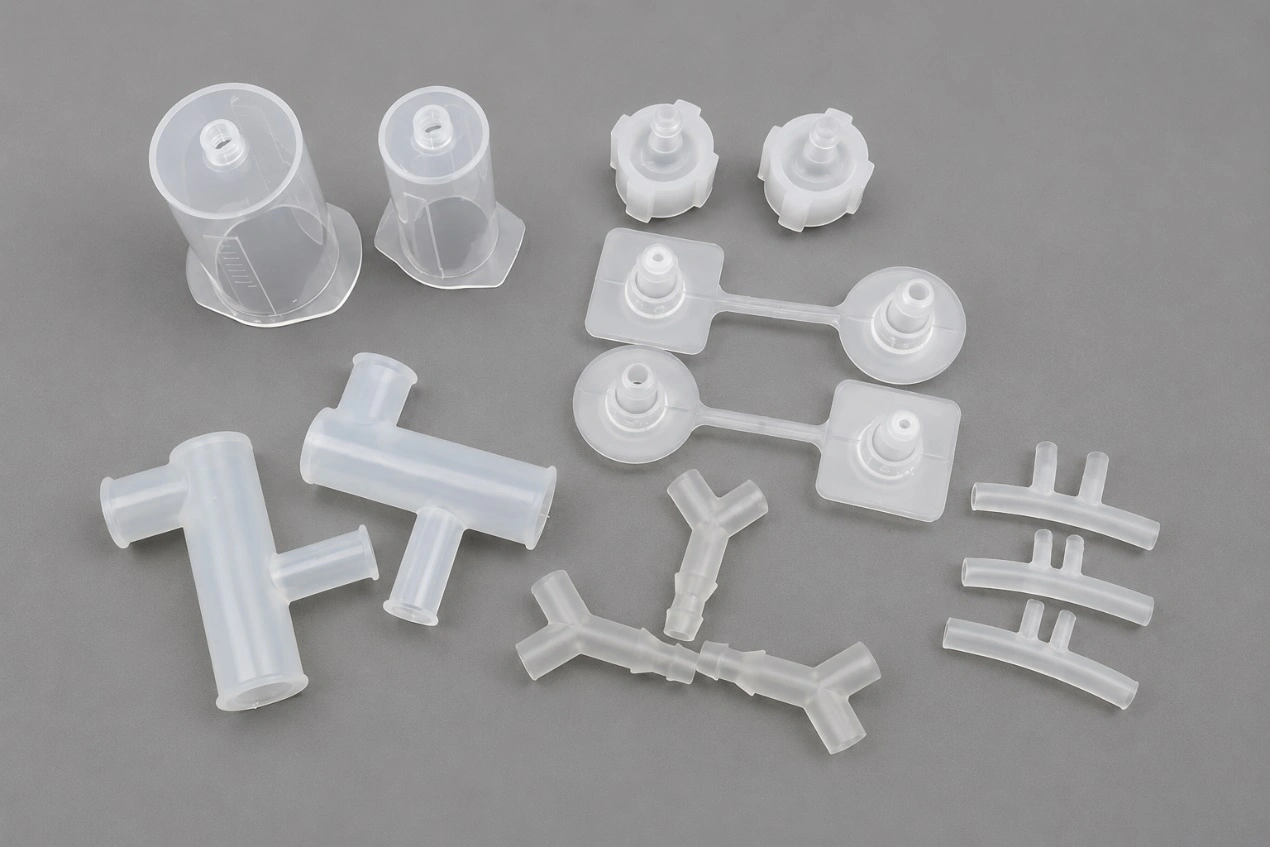
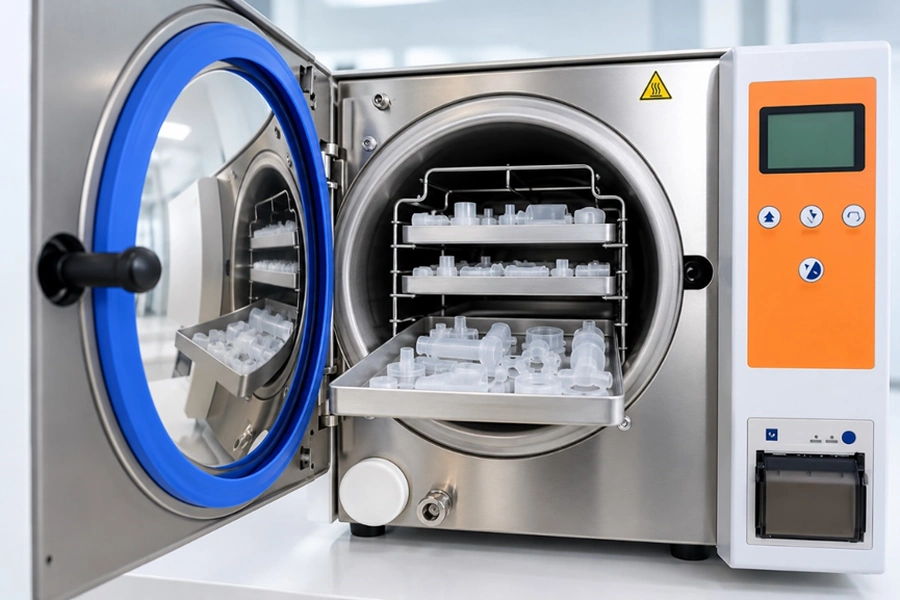
Medical Products
6) Outdoor Products
Key requirements: UV resistance, resistance to high and low temperatures, rain and moisture resistance, long-term weatherability, and resistance to cracking, fading, and yellowing. Recommended materials:
General outdoor housings: ASA as a replacement for ABS to achieve better weather resistance.
High-end outdoor precision components: UV-stabilized PC or PPS, providing both dimensional stability and weather resistance.
Outdoor sealing components: Weather-resistant TPE or LSR, maintaining long-term elasticity and sealing performance.
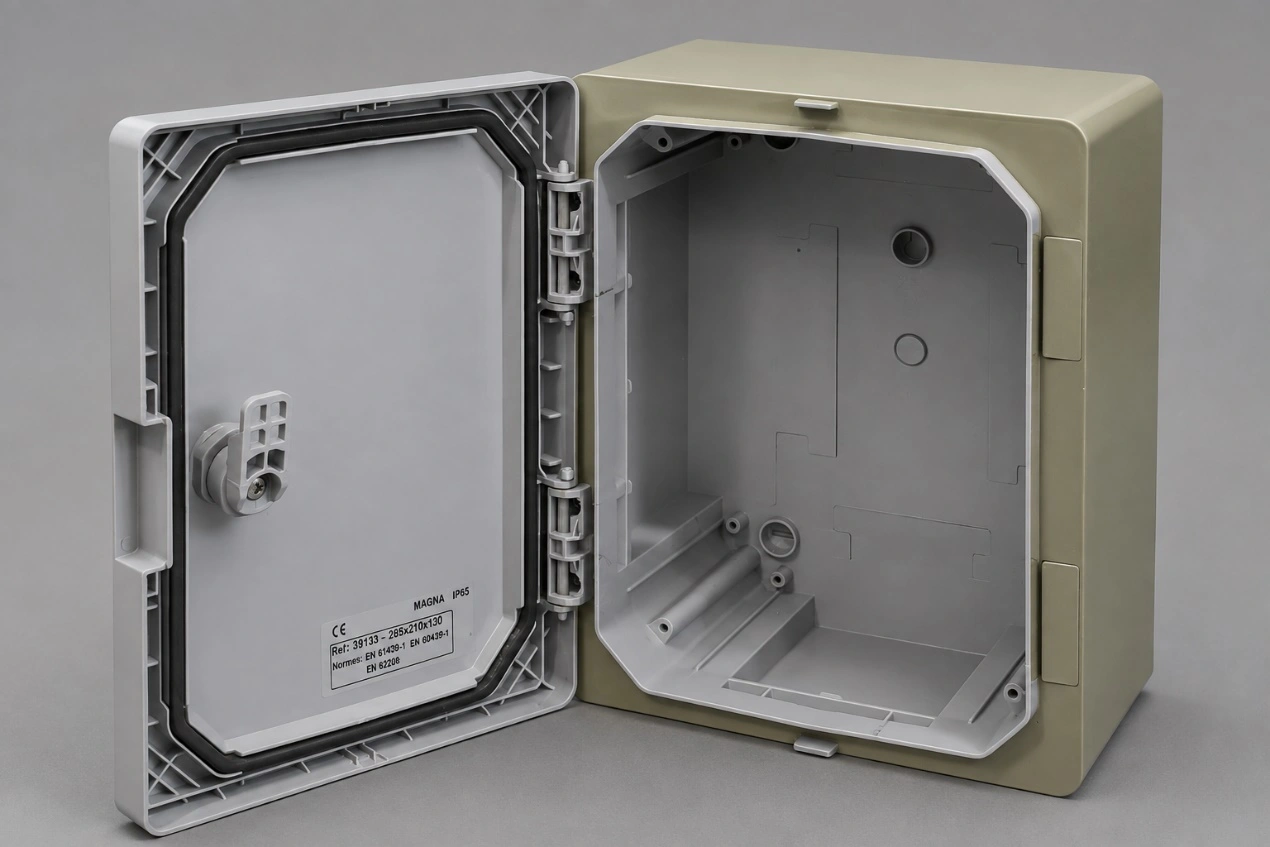
Outdoor Electrical Enclosures
4. Common Mistakes in Injection Molding Material Selection
Based on Holly’s 12 years of engineering experience, this section summarizes several material selection failures encountered in actual projects. The cases have been simplified to illustrate typical engineering issues, together with the corresponding analysis and recommendations.
Case 1: Using Unmodified PP for a Load-Bearing Part While Ignoring Weld Line Strength
Case: A snap-fit feature on the base of a small household appliance was molded from unmodified PP. The mold used two gate locations, creating a long weld line. During mass production assembly, some snap-fits fractured immediately, resulting in rework costs and delivery delays.
Solution: Replace the material with impact-modified PA66. Use PP reinforced with 20% glass fiber to improve weld line strength. Optimize the mold design to eliminate the long weld line.
Case 2: Inadequate Drying of Hygroscopic Nylon or PC, Causing Silver Streaks and Cracking in Mass Production
Case: A precision PA6 gear project failed because the resin was not properly dried. The material was dried at only 80°C for 1.5 hours before molding. The molded gears showed widespread moisture streaks, and after two weeks of storage in a humid warehouse, moisture absorption caused dimensional growth, resulting in transmission seizure and complete product failure.
Solution: Adopt standard drying procedures:PA66: 110°C for 4–6 hours. PC: Vacuum dry at 120°C for 4 hours. Install an online moisture monitoring system in the molding shop, and process the material only when the moisture content is below 0.02%.
Case 3: Using ABS for Outdoor Products Without Considering UV Aging
Case: A standard ABS grade was selected for an electric scooter rearview mirror housing. After eight months of outdoor exposure, the housing showed extensive yellowing. Under low-temperature impact, the parts fractured easily, resulting in significant warranty costs throughout the year.
Solution: Use ASA for all outdoor appearance parts whenever possible. If ABS must be used, incorporate a high-loading UV stabilizer package.
Case 4: Considering Only Room-Temperature Performance While Ignoring Long-Term Service Temperature
Case: A charging station bracket was molded from PC/ABS. After operating continuously at 92°C for three months, the bracket experienced 0.8 mm of creep deformation. The resulting deformation created a potential short-circuit and fire hazard.
Solution: The material’s continuous service temperature should exceed the product’s maximum operating temperature by at least 15°C. For applications operating at 100°C or above, such as automotive interiors or charging equipment, avoid ABS and standard PC/ABS. Use PA66-GF or PBT instead.
Case 5: Selecting a Low-Flow Material for a Thin-Wall Part While Ignoring the L/T Flow Ratio
Case: A Bluetooth earphone housing had a wall thickness of 0.5 mm and a flow length of 110 mm. Standard-viscosity PC was selected for molding. During mold trials, the cavity consistently suffered from short shots and pronounced weld lines. Repeated polishing and gate enlargement failed to solve the problem, and the mold ultimately had to be rebuilt for high-flow PC/ABS.
Solution: Establish a design rule during the early development stage: when the L/T ratio exceeds 100, select a high-flow material. Verify the material flow ratio during product design to avoid problems that cannot be corrected after the mold is completed.
Case 6: Using an Unmodified Crystalline Material for Precision Parts While Overlooking Moisture Absorption and Shrinkage Variation
Case: A printer transmission gear was molded from unmodified PA6 with a drawing tolerance of ±0.03 mm. The gears met the dimensional requirements immediately after drying, but after 15 days of storage during the humid rainy season in southern China, moisture absorption caused the dimensions to increase by 0.42 mm. The assembled printer exceeded the allowable noise level, and the customer rejected the entire batch.
Solution: For precision parts with tolerances tighter than ±0.05 mm, use caution when selecting high-shrinkage materials such as unmodified PA or PP. Give priority to low-moisture, glass-fiber-reinforced materials. PC+30GF, PPS, and LCP all have moisture absorption below 0.05% and provide stable dimensions with minimal environmental variation.
5. Conclusion
Proper material selection improves not only product performance but also production stability. For products with complex geometries, tight dimensional requirements, or demanding service conditions, evaluate DFM, Moldflow analysis, and the mass production process before finalizing the material. This helps reduce mold trial iterations and minimizes the risk of design changes later in the project.
Need help selecting the right material for your product? Explore Holly’s injection molding services or contact our engineering team for professional recommendations and project support.