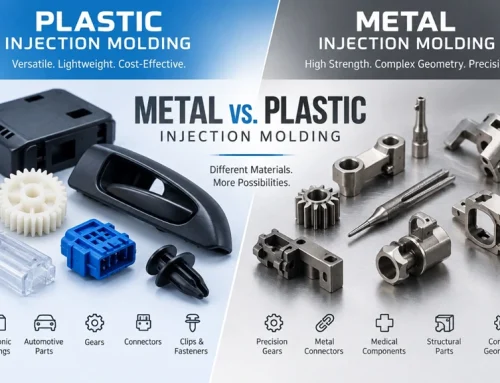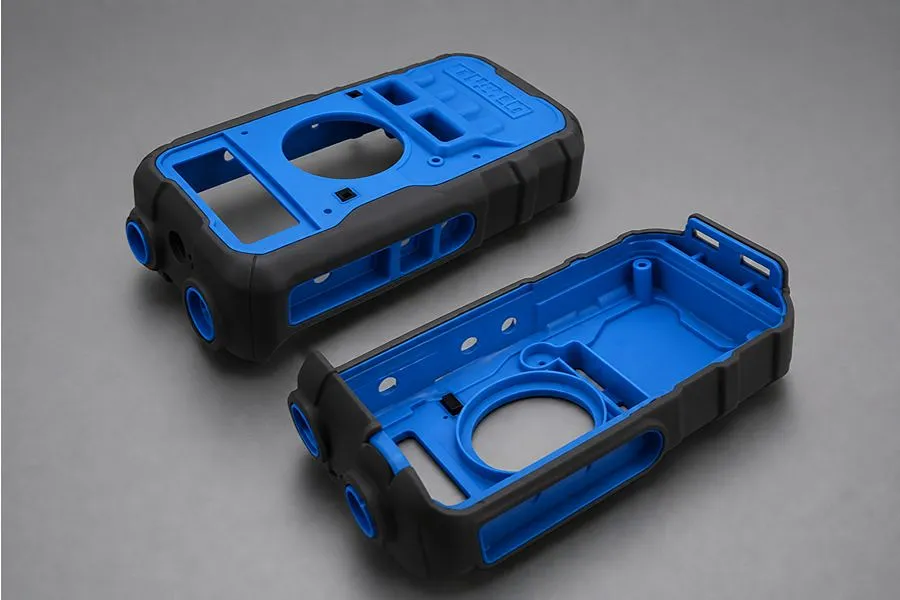
Two materials may be molded together in the same plastic part in either case of overmolding or Two-Shot Molding. The two processes can yield products that are similar in appearance and use but have some distinct differences in the molding process, mold structure, molding equipment, degree of automation and production costs.
In this article, Holly discusses the engineering variations of Overmolding and Two-Shot Molding, and covers the appropriate uses of each method for product structure, production volume and project needs.
1. What is Overmolding and Two-Shot Molding?
Both processes are suitable for molding parts with multiple materials. Let’s first find out the basic molding principles in isolation.
1.1 What Is Overmolding?
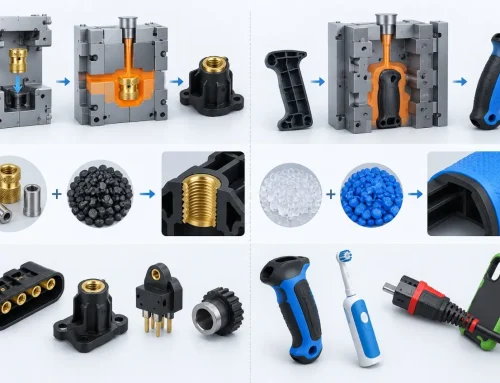
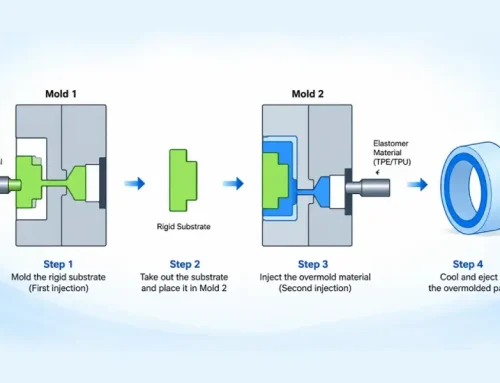
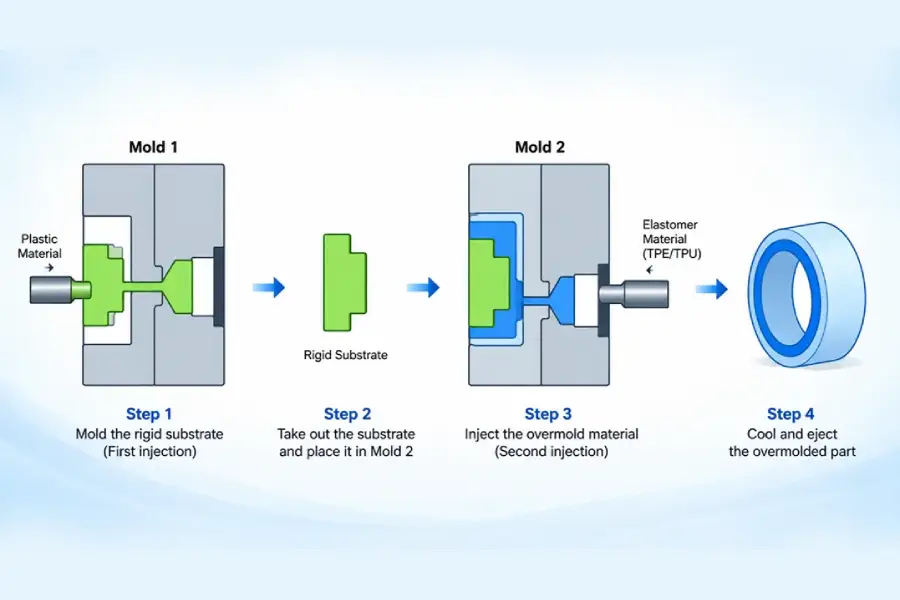
Overmolding is a technique that involves molding a new plastic material over a previously molded Substrate. Typical combinations are PP and TPE, ABS and TPE, PC/ABS and TPE and PA and TPE. In the production process, ordinarily a rigid Substrate is first produced in the first Mold, and then it is transferred to the second Overmolding Mold for injection of TPE, TPU or other second material.
Overmolding Process
1.2 What Does Two-Shot Molding Mean?
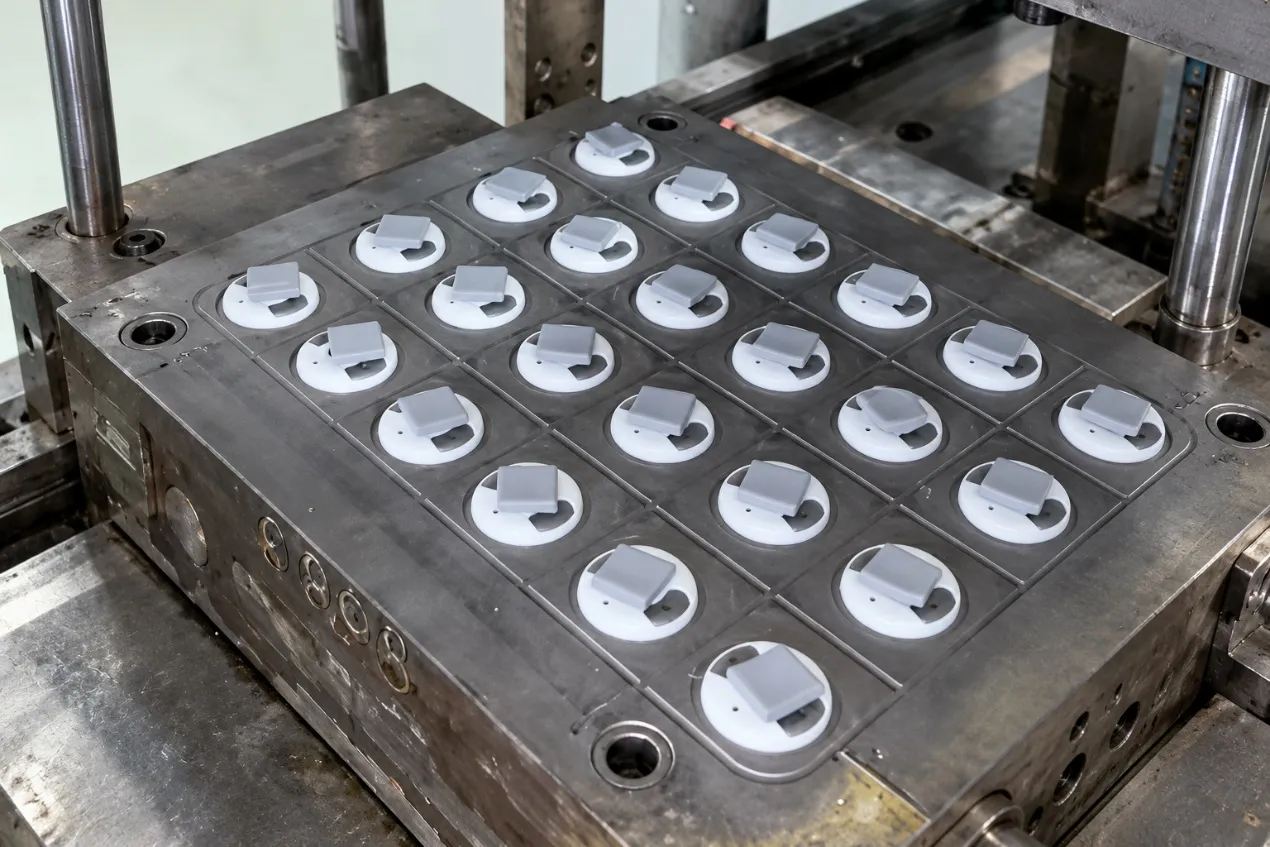
Two-shot molding is a process wherein two materials are injected one after another into the same injection molding machine and the same mold. The part does not exit the mold system after the first material is injected. However, it is transferred to the Second Shot molding position by means of a Rotary Platen, rotating core or other indexing means to complete the Second Shot.
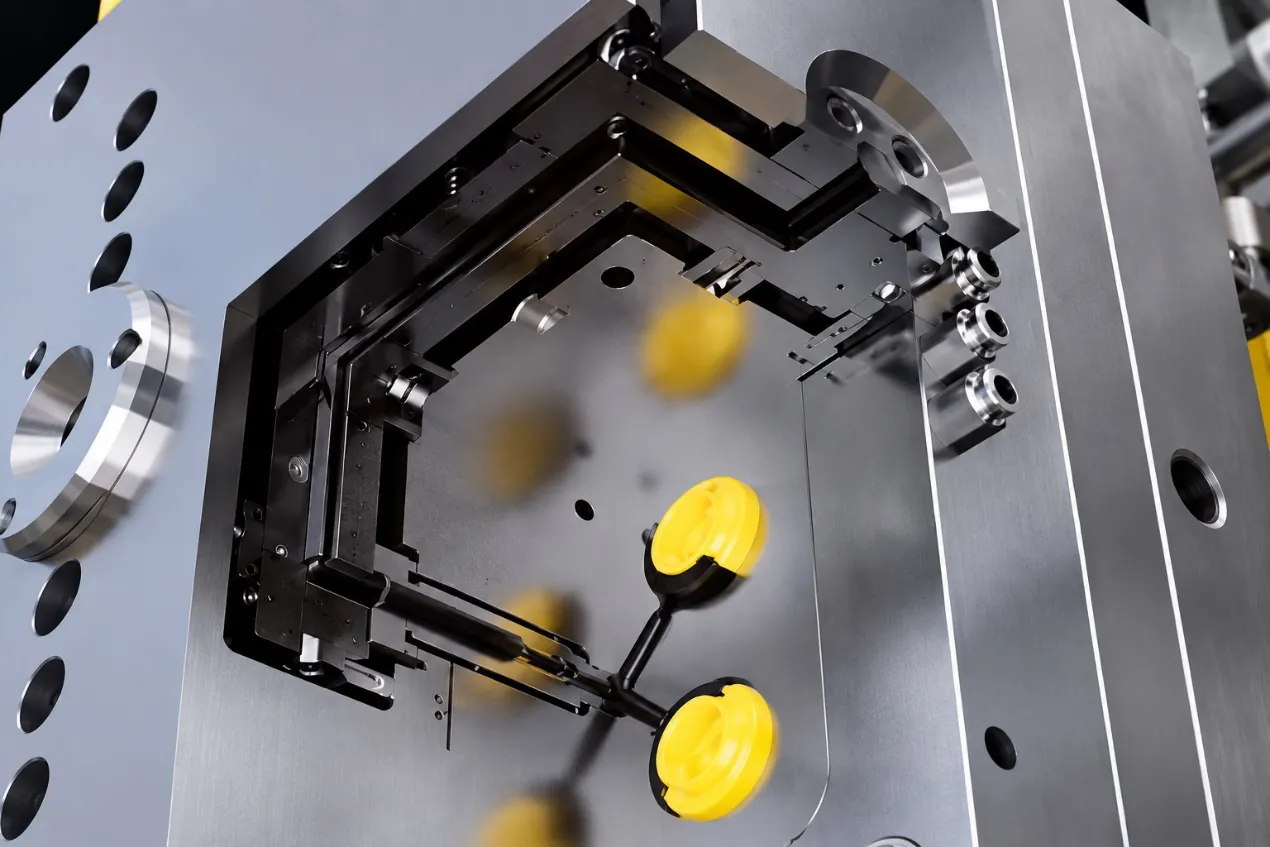
Two-Shot Molding Process
1.3 What Is the Core Difference Between Overmolding and Two-Shot Molding?
The key distinction lies in how the Second Shot is completed. In Overmolding, the two molding stages are usually relatively independent, while Two-Shot Molding combines both injections into a single automated molding cycle.
2. What is the difference between Overmolding and Two-Shot Molding?
Besides the variations in how the Second Shot is achieved, the two processes differ greatly in their production process, mold and equipment specifications, automation content, cost structure and other aspects.
2.1 Differences in the Molding Process
Overmolding is a two-stage relatively independent molding process. The Substrate can be prepared in batches and stored for subsequent processing with the Second Shot as per order schedules. It is possible to use existing plastic parts directly from the customer. For instance, when an existing ABS Housing is in need of a localized TPE Seal, the Housing Mold can be kept and only an Overmolding Mold has to be created. The disadvantage of Overmolding is the repositioning of the Substrate, and the addition of part removal, transfer, and secondary clamping steps.
Unlike conventional molding, there is no need to remove or re-clamp the First Shot in Two-Shot Molding. Rather, it is transferred directly to the Second Shot position through an in-mold indexing mechanism. This provides more consistent repeat positioning between the two materials and eliminates the need for semi-finished part handling and waiting.
2.2 The differences between molds and injection molding equipment.
Most commonly, an ordinary injection molding machine is used for overmolding. When both plastic parts are manufactured in the same factory, the Substrate Mold and Overmolding Mold are normally used separately. However, when the customer already has the Substrate, only a second mold for the same part would need to be developed; the equipment and mold configuration would be relatively flexible.
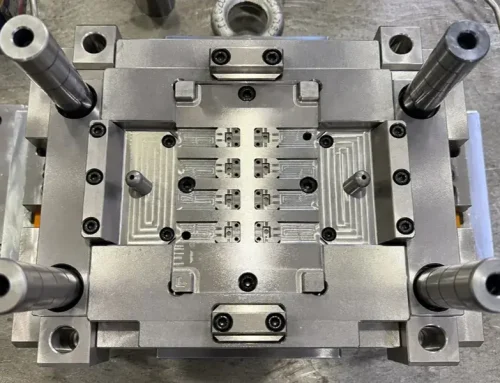
Two-Shot Molding is a process that is used with a Two-Component Injection Molding Machine that has two separate injection units. The mold should also be compatible with a Rotary Platen or rotating core or other indexing system. The mold must complete two injections and handle positioning after the First Shot indexing, Second Shot sealing, cooling, and final ejection. Therefore, the mold structure is more complex and the equipment requirements are generally higher than those for conventional Overmolding.
2.3 Differences in Automation and Production Efficiency
In this section, differences in automation and production efficiency are discussed.
Overmolding is a multi-step process, such as first-shot production, removal of parts, transfer, positioning and second-shot production. The intermediate transfer can be done manually or by a robotic arm, so the amount of automation can be modified depending on production quantity.
In 2-Shot Molding, both shots are made during the same production process. It can help minimize manual clamping, part handling and WIP which facilitates continuous automated production.
2.4 Differences in Mold Cost and Unit Cost
There is also a difference in mold cost and in unit cost. In general, there is a lower initial cost for overmolding. It can be produced by a conventional injection molding machine and its mold structure is relatively simple. If the customer already has a Substrate or Substrate Mold, then possibly only a second Overmolding Mold needs to be developed. Two separate production stages, semi-finished part handling, and secondary clamping all contribute to the Unit Cost.
Two-Shot Molding has a higher initial Tooling Cost as it needs a Two-Component Injection Molding machine and complicated molds. Nonetheless, continuous automated molding reduces labor, handling and intermediate inventory cost. These cost benefits can level off the higher initial investment required for the mold as production volume rises.
For projects in which both processes are possible, the following formula can be used to estimate the cost Break-Even Volume to help decide if Two-Shot Molding is an investment opportunity:
BEV = Two-Shot additional Tooling Cost / (Overmolding Unit Cost – Two-Shot Unit Cost)
2.5 Differences in Project Requirements and Production Volume
For small to medium volume projects, changing orders, too many SKUs and projects that are still in development and iteration, overmolding is more appropriate. First Shot and Second Shot are independent so that the same Substrate can be used in combination with TPE in various colors and hardnesses. When designing the TPE Hardness, overmolding thickness, color or localized overmolding area, modifications can primarily be made to the Second Shot material and Overmolding Mold.
For high-volume production, stable product structure, continuous orders and long product life cycles, Two-Shot Molding is more appropriate. With a stable mold and process, both injections can be continuously and automatically performed to produce a long-lasting product. If the First Shot/Second Shot overmolding area is changed significantly later on, however, or if the material combination changes, both molding stations can be affected and the mold modifications are more complex than those with independent Overmolding.
2.6 Differences in Material Bonding and Compatibility
In Overmolding, the Substrate is typically fully cooled after the First Shot and may be stored and handled before the Second Shot. The key bonding factors between the two materials are the inherent bonding ability of the materials, the thermal effect of the Second Shot melt on the Substrate surface, and Mechanical Interlock. Oil, dust, or release agents on the Substrate during storage and handling can also affect the bonding quality of the Second Shot material.
Two-Shot Molding completes the First Shot and Second Shot in a continuous molding cycle. The interface is typically still in a more favorable thermal state for bonding when the Second Shot is injected, which helps achieve more stable material bonding. However, Two-Shot Molding cannot solve material incompatibility by itself. Materials must also have compatible coefficients of thermal expansion and compatible processing temperatures. A large temperature difference between rigid and soft materials can easily cause stress cracking.
2.7 Differences in Dimensional Accuracy and Appearance Consistency
Overmolding involves putting the molded Substrate into a second mold. Substrate shrinkage, secondary positioning clearance and part placement accuracy all may affect the position accuracy of the Second Shot. These deviations can manifest themselves as overmoulding offset, patchy exposure of the substrate, flash or inconsistent boundary width for narrow edge overmoulding, overmoulding parting lines and two colour boundaries. The issues are more apparent as the product size decreases or the overmolding line is thinner.
In Two-Shot Molding the First Shot is transferred to the Second Molding Position by a rotation of the Mold Rotary Platen or the use of a Core Indexing system. The mold mechanism controls the positioning reference; no need to re-clamp by hand. So the repeatability of the Second Shot is typically higher. Two-Shot Molding is easier to keep the consistency of appearance parts and narrow edge TPE overmolding, as well as products where the boundary between two materials has a high requirement.
3. What kind of Products are suitable for Overmolding and Two-Shot Molding?
Here are a few more examples of products commonly used in practice that utilize Overmolding and Two-Shot Molding.
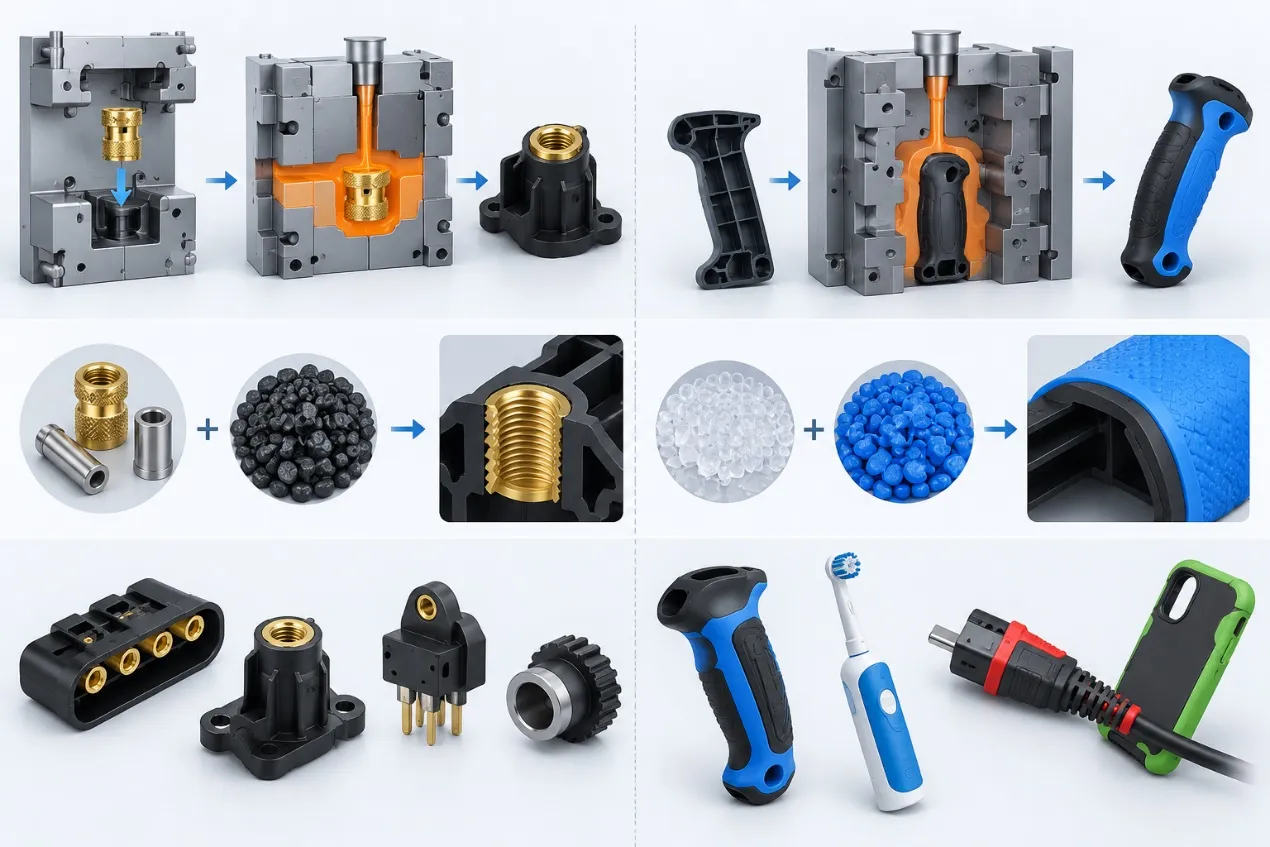
3.1 Common Overmolding Products
- Tool Handles: TPE anti-slip, shock-absorbing and Soft-Touch areas.
- Medical Device Handles and Housings: Applicable to products with small production runs or products that still need to be modified to the overmolding structure.
- Electronic Housing: If an existing Housing is available, localized TPE Seals or Soft-Touch Areas can be directly added.
- Connector and Cable Assemblies: Suitable for overmolding preformed components such as connectors and cables.
- Multi-SKU Products: The same Substrate can be used with different colors, hardness or overmolding structure.
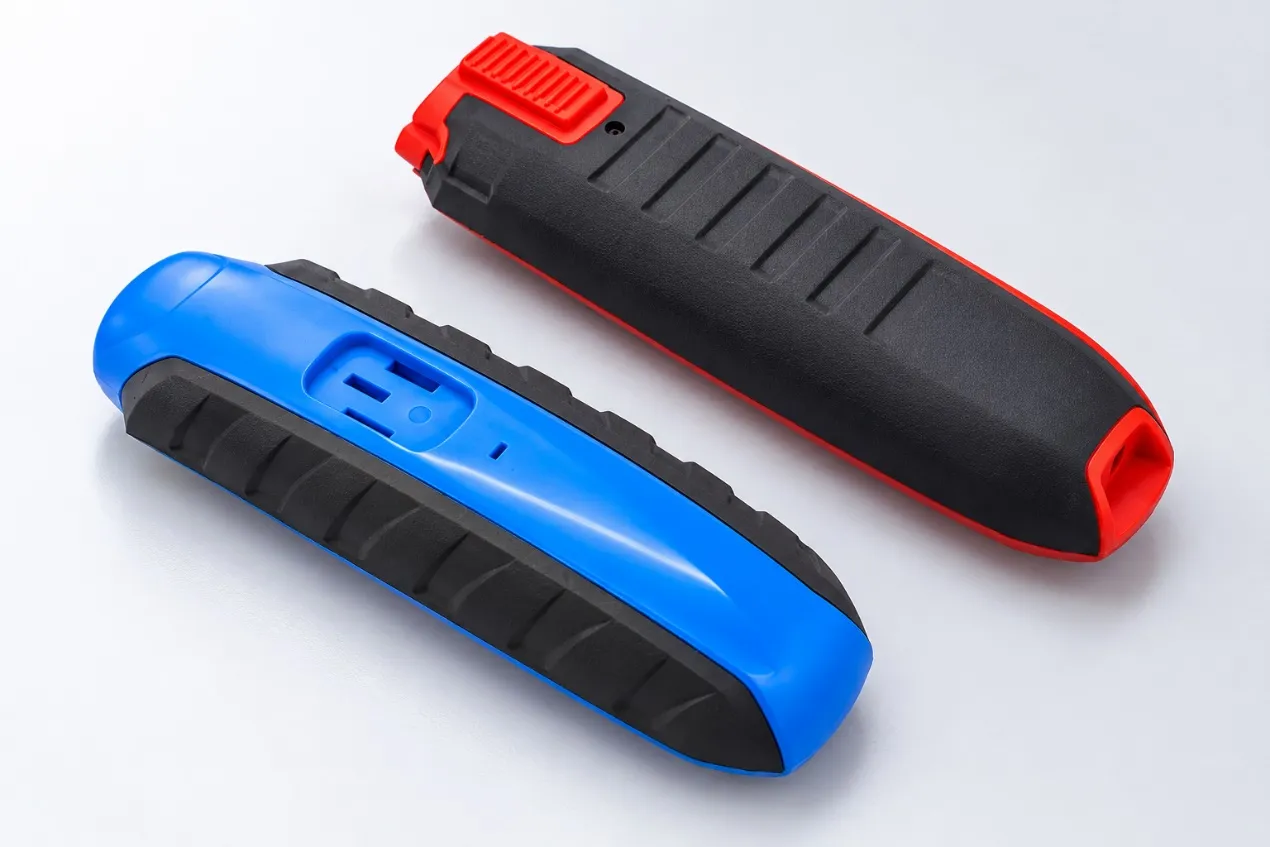
Overmolding Product Images
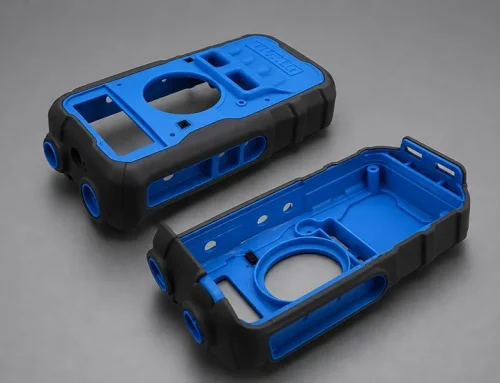
3.2 Common Two-Shot Molding Products
- Toothbrush and Shaver Handles: Good for use in long, high-volume production of rigid plastic + TPE combinations.
- Interior Components: It can be used in automotive interiors, where two-color appearance and rigid-soft material boundaries are required.
- Consumer Electronics Buttons and Housings: Suitable for fixed material combinations, such as transparent + opaque materials or rigid plastic + Soft-Touch Material.
- Medical plastic components: Applicable to rigid-soft material parts with stable structures that require continuous automated production.
- Integrated Seal Products: They are appropriate for producing rigid Housings on a continuous basis with TPE Sealing Areas.
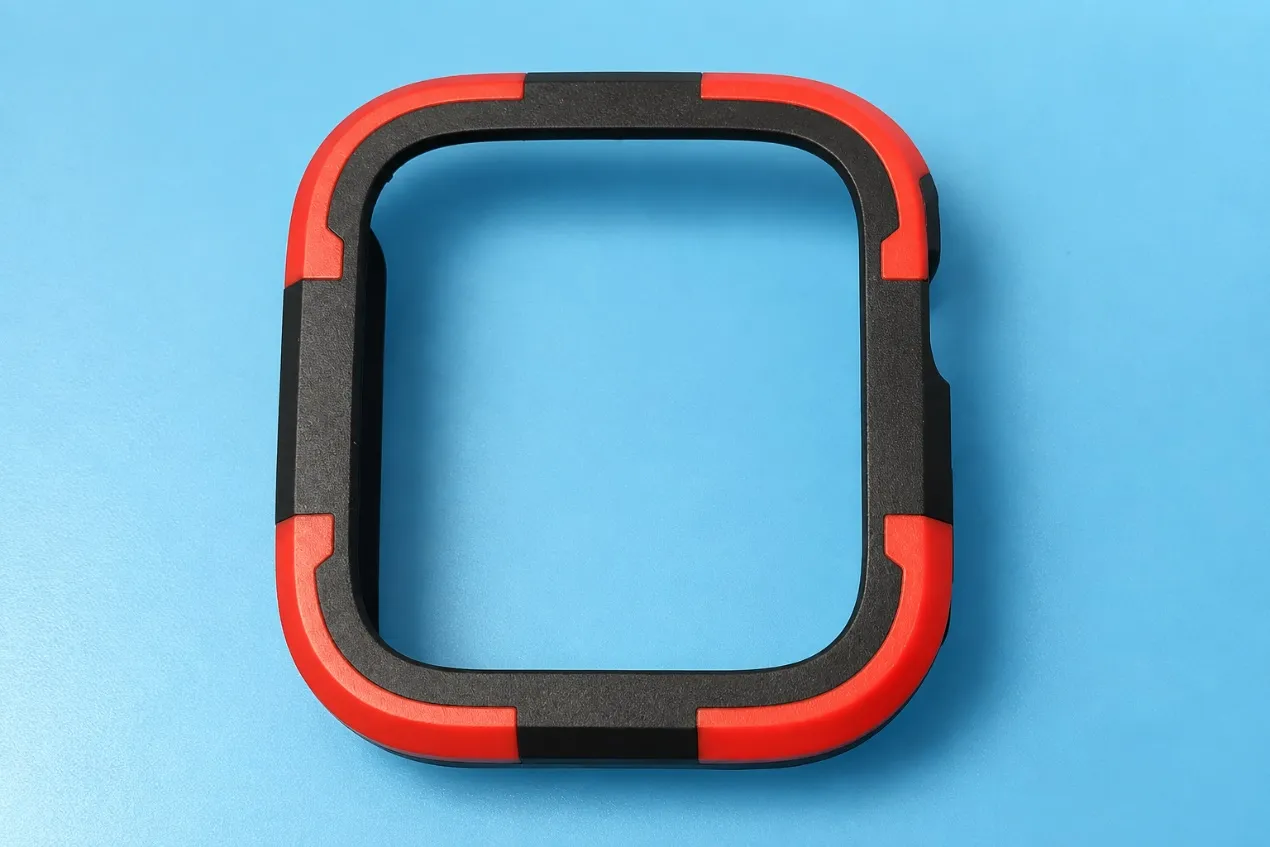
Two-Shot Molding Product Images
3.3 What products can be made from both processes?
The product type with the largest overlap of the two processes is rigid plastic + TPE. Overmolding and Two-Shot Molding are both processes that can be used to create a wide range of products, such as tool handles, medical device grips, toothbrush handles, sealing housings, and automotive soft-touch components.
4. How to Choose Between Overmolding and Two-Shot Molding?
Based on the engineering differences discussed above, the main selection criteria for Overmolding and Two-Shot Molding can be summarized as follows:
| Project Condition | Overmolding | Two-Shot Molding |
| Molding Method | First Shot and Second Shot are molded separately | Both injections are completed within the same molding cycle |
| Injection Molding Equipment | Can use a standard injection molding machine | Requires a Two-Component/Multicomponent Injection Molding Machine |
| Mold Configuration | Usually uses a Substrate Mold + Overmolding Mold | Two molding stations are integrated into one two-shot mold |
| Mold Complexity | Lower | Higher, requiring rotary, indexing, or other mechanisms |
| Initial Mold Investment | Lower | Higher |
| Semi-Finished Part Handling | Requires removal, storage, or transfer of the Substrate | First Shot does not leave the molding system |
| Level of Automation | Can use manual placement, robotic arms, or fully automated placement | More suitable for continuous fully automated production |
| Production Efficiency | Adds secondary part handling and clamping steps | Two injections are completed continuously, suitable for high-cycle production |
| Second Shot Positioning | Affected by Substrate shrinkage and secondary clamping | In-mold mechanical indexing provides more stable repeat positioning |
| Two-Color/Overmolding Boundary | Narrow-edge overmolding is more prone to offset, exposed substrate, or flash | More suitable for appearance parts requiring stable material boundaries |
| Material Bonding | More dependent on material bonding performance and Mechanical Interlock | Continuous molding helps maintain more stable interface conditions |
| Second Shot Material Adjustment | More flexible; colors, hardness levels, or Material Grades can be changed | Material combinations are usually determined during mold development |
| Product Structure Modification | The Overmolding section can be modified independently | Modifications may affect both molding stations |
| Multiple SKUs | The same Substrate can be paired with multiple Second Shot versions | More suitable for long-term production with fixed material and structural combinations |
| Existing Substrate | Highly suitable; an Overmolding Mold can be developed directly | Usually requires replanning the two-shot mold |
| Small/Medium Volume or Trial Production | Lower upfront investment makes total project cost easier to control | High Tooling Investment is more difficult to amortize |
| Long-Term High-Volume Production | Can be used, but secondary clamping and transfer costs remain | Automation advantages can reduce the overall long-term Unit Cost |
5. Conclusion
Lower mold and equipment investment and production flexibility make overmolding more suitable for small- to medium-volume, multi-SKU projects or projects with an existing Substrate. Compared with Overmolding, Two-Shot Molding offers higher automation and production efficiency, making it more suitable for long-term, high-volume production of stable product designs.
Holly offers Overmolding, Two-Shot Molding, mold manufacturing and Injection Molding services. You can send us your 3D Drawing, Material Requirements, Annual Volume, and product requirements. We will conduct DFM and process evaluations based on the part structure, material combination, and production volume, then provide a quotation for mold manufacturing and injection molding production.