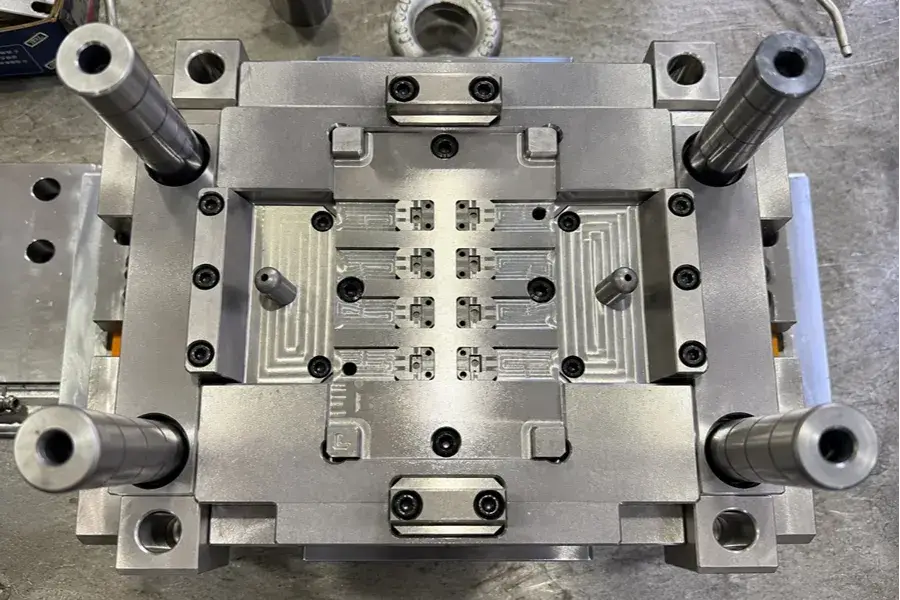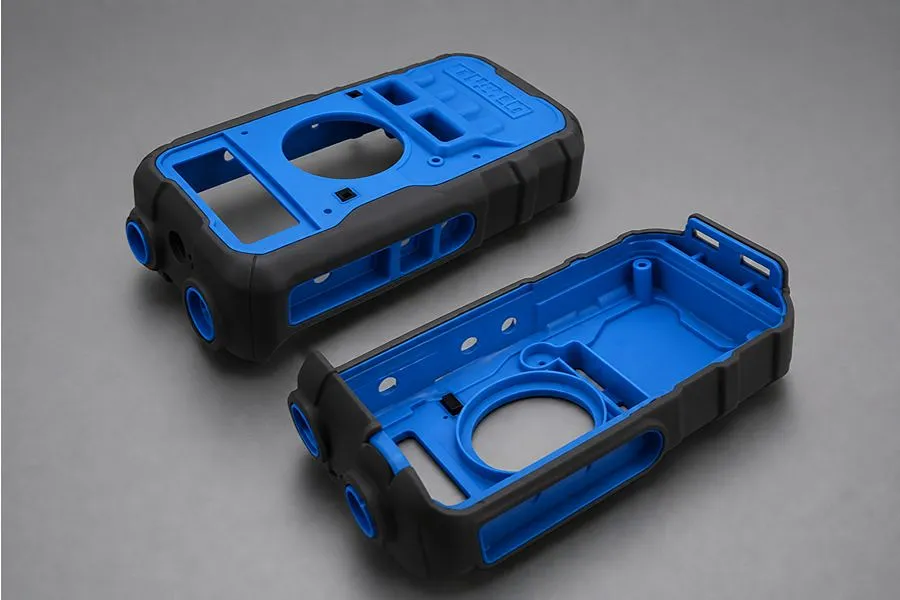
In injection mold development, hot runner and cold runner systems are the two most widely used runner designs. They also have a major impact on mold cost, production efficiency, material utilization, and part quality. Many companies focus only on mold pricing or projected production volume when selecting a runner system, while overlooking factors such as plastic material properties, part geometry, runner design, and product lifecycle. As a result, they may face excessive material waste, higher production costs, or even costly mold modifications after production starts.
This article provides a systematic comparison of hot runner and cold runner systems from the perspectives of operating principles, cost, production efficiency, application scenarios, and common selection mistakes. The objective is to help you evaluate your project requirements and select the most suitable runner system.
1. What Are Hot Runner and Cold Runner Molds?
The runner system is the melt flow channel that connects the injection molding machine nozzle to the mold cavity. Injection molds generally use either a Cold Runner or a Hot Runner system. The fundamental difference between the two is whether the plastic inside the runner solidifies during each molding cycle.
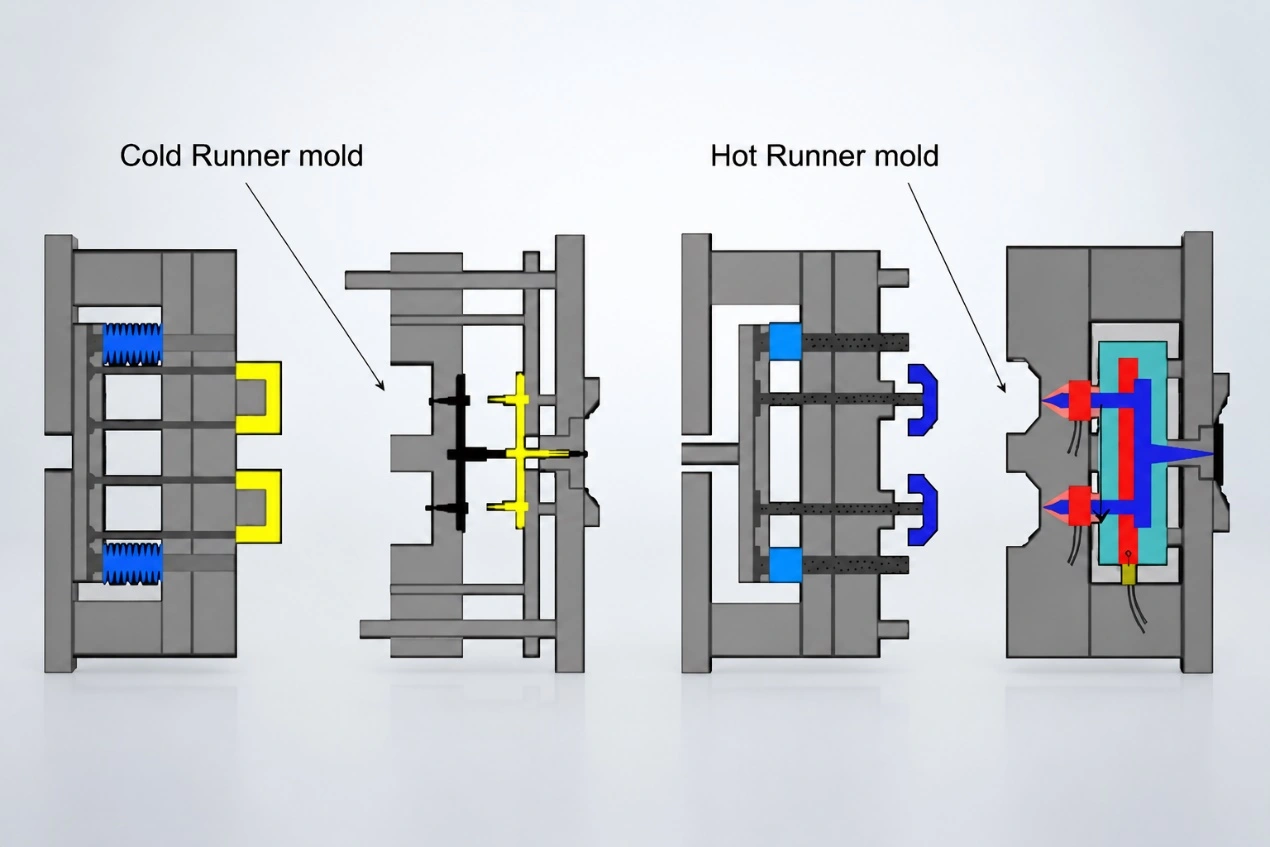
Hot Runner and Cold Runner Molds
1) How a Cold Runner Mold Works
A cold runner is a runner system without heating or temperature control. It typically consists of the sprue, runners, cold slug well, and gate. After filling and packing, the mold cooling circuit removes heat from both the molded part and the runner simultaneously. The melt inside the runner solidifies into a rigid runner scrap. When the mold opens, the part and runner eject as one piece. Operators or automation equipment must then separate the runner, trim the gate, and complete any required finishing before the part is ready for use.
Key characteristics: A cold runner mold has a relatively simple structure, making manufacturing, commissioning, and maintenance easier. However, every molding cycle generates solid runner scrap that must be separated and processed afterward.
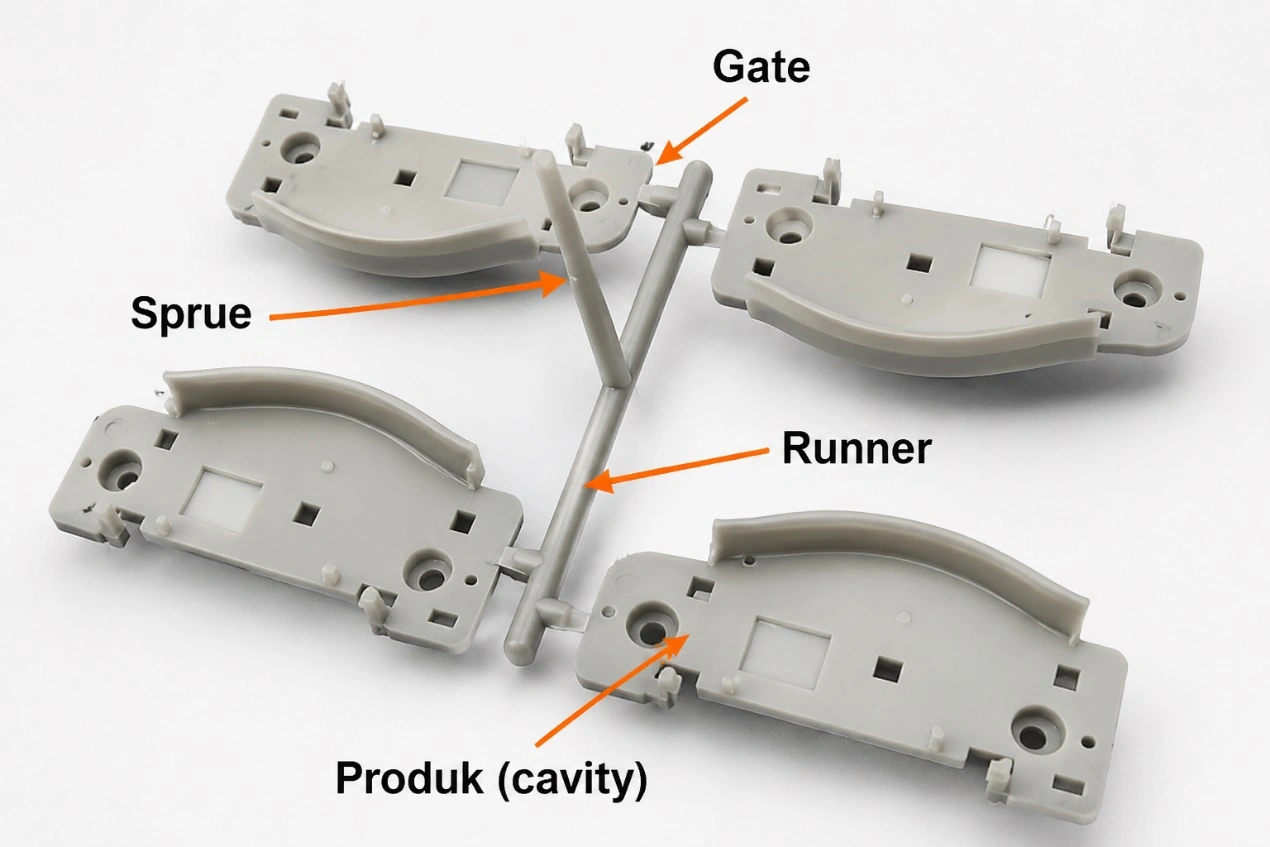
cold runner products
2) How a Hot Runner Mold Works
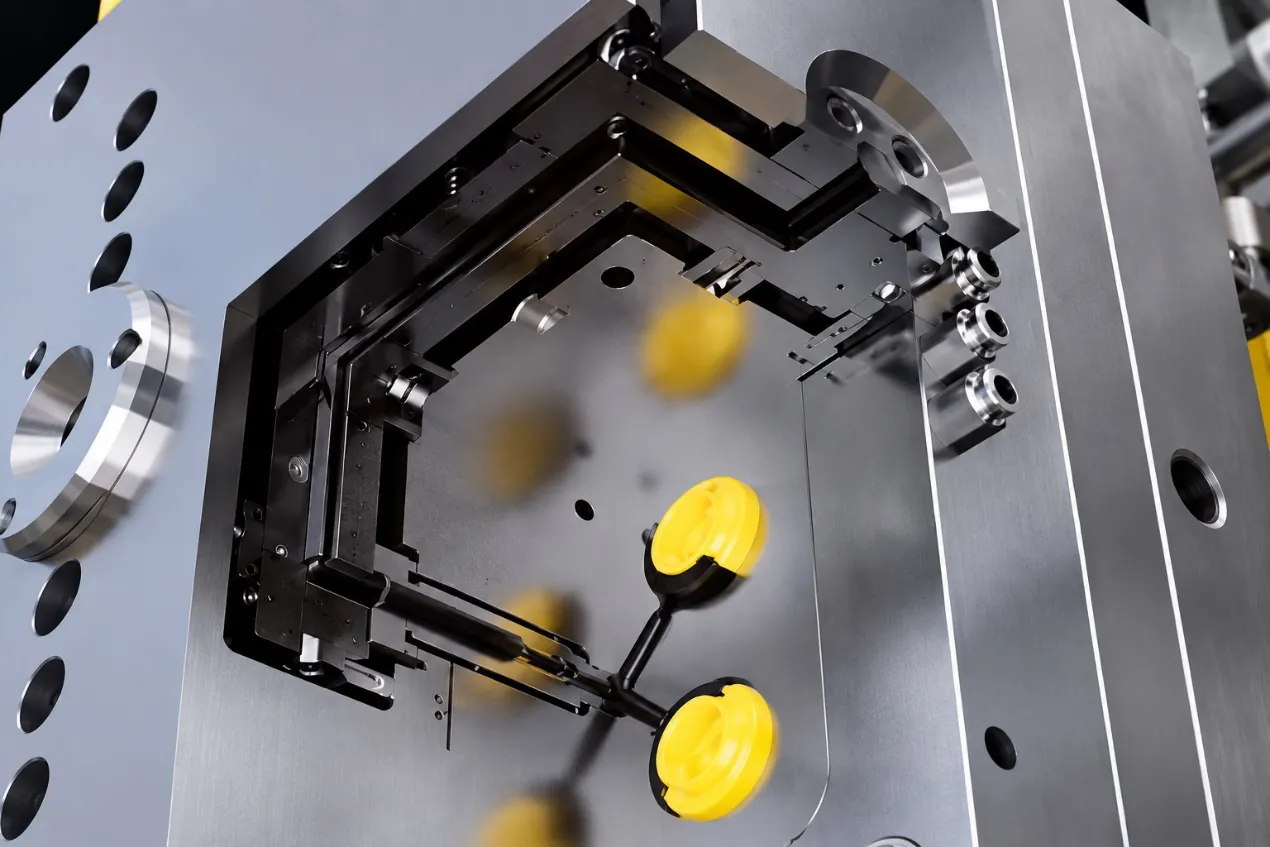
A hot runner system uses a manifold, heated nozzles, heating elements, thermocouples, and a temperature controller to keep the plastic inside the runner in a molten state throughout production. During molding, the melt inside the manifold and hot nozzles does not cool or solidify with the molded part. Only the plastic that enters the cavity solidifies during each cycle. As a result, the mold normally produces no complete runner scrap after ejection, leaving only a small gate vestige on the part surface. A valve gate hot runner can further improve gate appearance and reduce secondary finishing.
Key characteristics: A hot runner system has a more complex structure and places higher demands on temperature control. It also requires greater precision in mold manufacturing, assembly, process setup, and long-term maintenance.
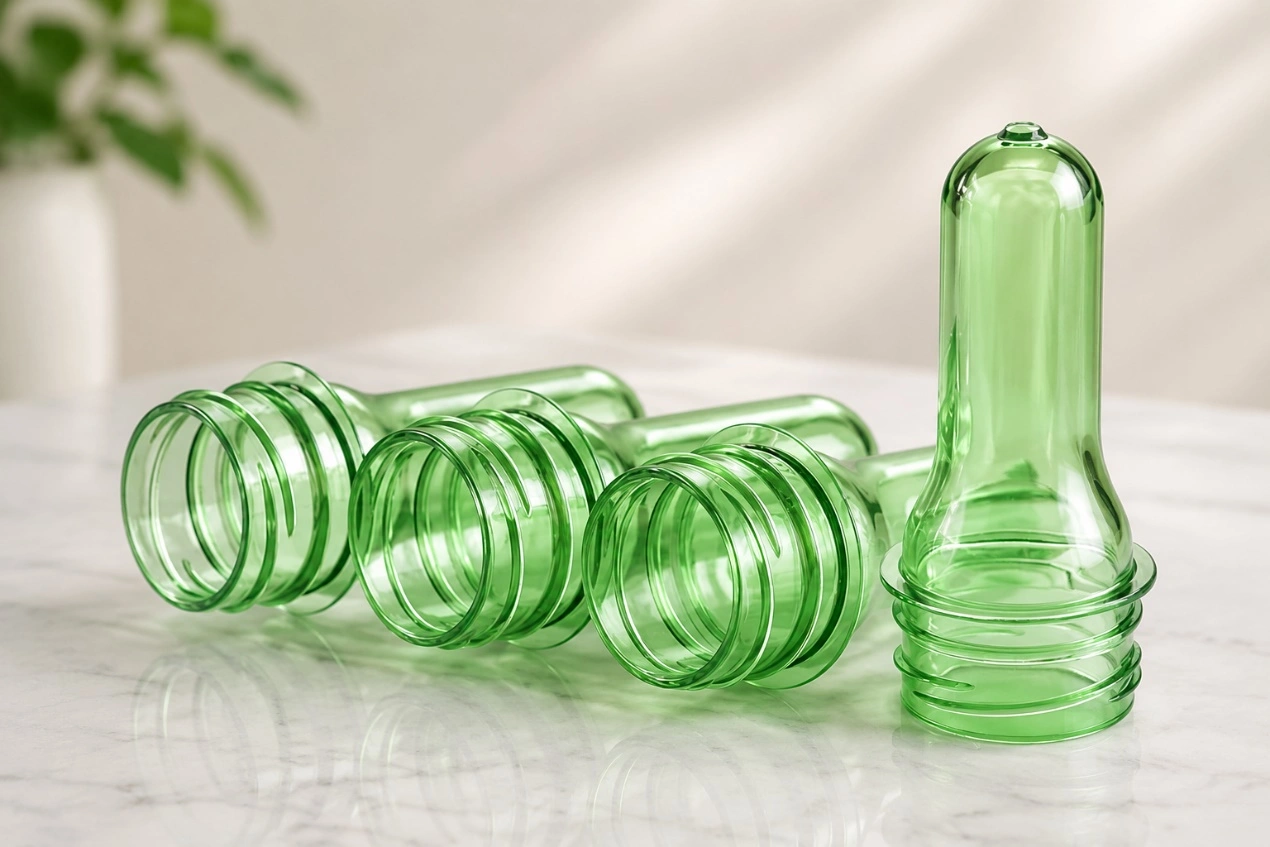
Hot runner products
2. Comprehensive Cost Comparison Between Cold Runner and Hot Runner Systems
Runner system selection should not be based solely on the mold quotation. Instead, it should be evaluated using the total lifecycle cost, including the initial mold investment, raw material loss, post-processing and equipment labor, long-term maintenance and replacement parts, and scrap recovery losses. The cost advantage of each system varies with production volume.
1) Initial Mold Manufacturing Cost
a) Cold runner cost structure:
A cold runner mold consists only of the mold base, mold core, and standard ejection and guide components, with no additional heating components required. For the same single-cavity mold, the cold runner mold is used as the cost baseline (1.0). It is easier to manufacture, uses standardized components, and avoids the premium cost of custom hot runner components.
b) Hot runner cost structure:
A hot runner mold requires additional components, including a manifold, heated nozzles, thermocouples, insulation plates, a standalone temperature controller, wiring channels, and high-temperature sealing components. Depending on the cavity layout, the system may use a single-point hot runner or a full manifold hot runner. A simple single-point hot runner mold typically increases mold cost by approximately 30%, while an integrated hot runner system for eight or more cavities generally increases mold cost by 80%–120%.
c) Additional delivery costs:
Before shipment, hot runner molds normally require a continuous 24-hour temperature control trial to verify system stability, increasing labor and machine validation costs for the mold manufacturer. During production, wear components such as hot nozzles and heater bands also require periodic replacement, making long-term spare parts costs a significant consideration.
2) Raw Material Loss
For products with a high material cost, a large runner-to-part weight ratio, or high-value engineering plastics, raw material loss often becomes the main long-term cost difference between cold runner and hot runner systems.
a) Raw material loss with a cold runner
The solidified runner generated in each cold runner cycle cannot be used directly. It must be ground and blended back into virgin resin, and overall material utilization typically reaches approximately 70%–85%. Regrind processing also creates three hidden losses: ① grinding produces dust and contaminants, so the regrind ratio is generally limited to less than 20%; ② material loss during grinding is approximately 5%–10%; ③ regrind has reduced mechanical properties, and high-end appearance parts and structural components often prohibit its use, causing the runner scrap to be discarded completely.
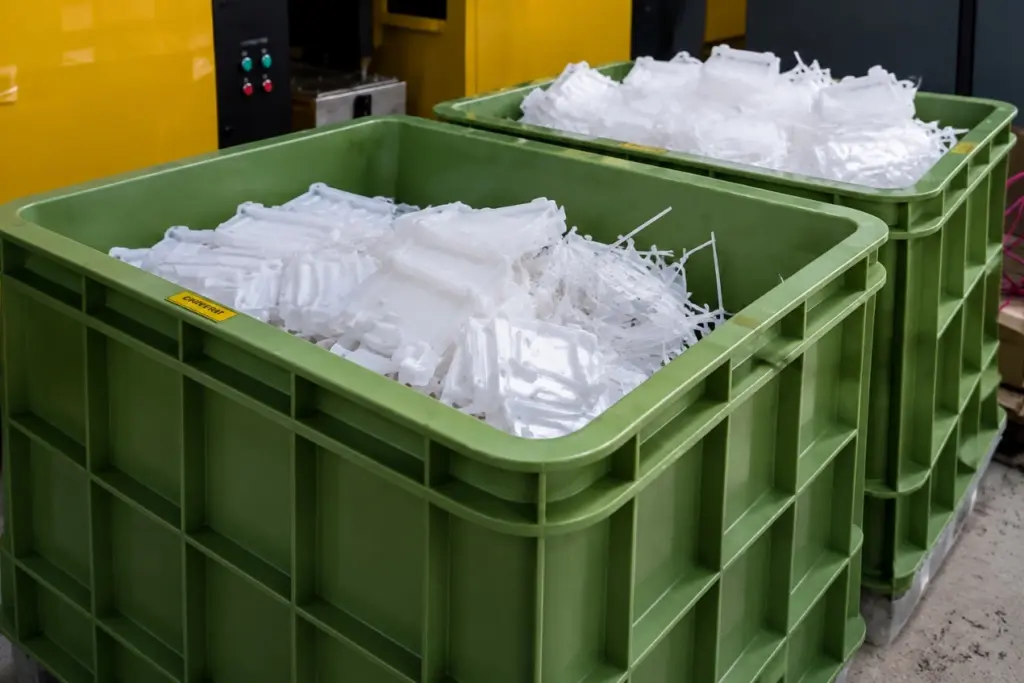
Cold Runner Scrap
b) Raw material loss with a hot runner
Material utilization typically reaches 90%–98%. A hot runner system normally produces no complete sprue or runner scrap and leaves only a small vestige at the gate. This significantly reduces runner waste and the associated sorting, grinding, and recycling costs.
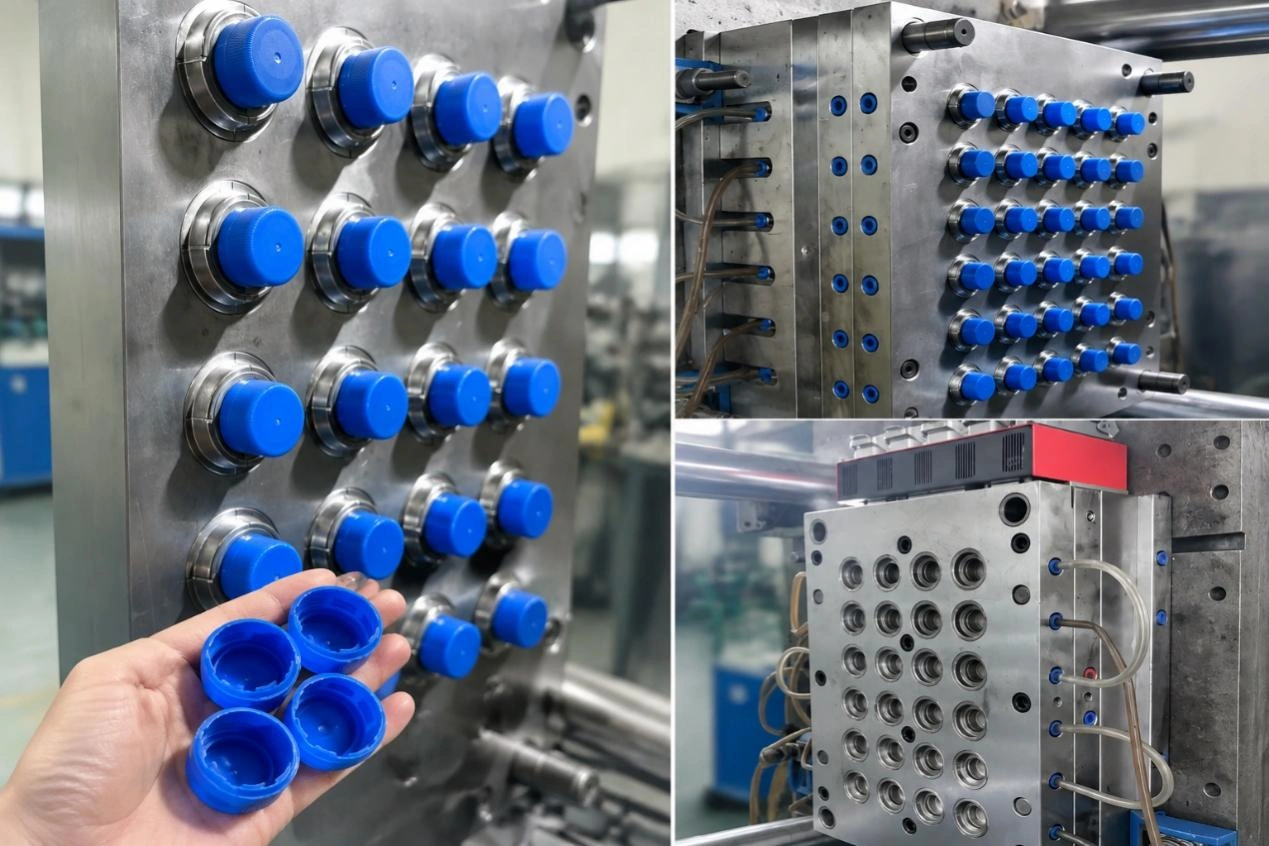
Hot Runner Parts Molded in One Cycle
3) Post-Processing and Machine-Hour Costs
a) Additional labor cost for cold runner parts
Operators must trim the runner from every molded part. For a small housing, trimming one part takes approximately 2–3 seconds. At a production volume of 100,000 parts, this adds several hundred labor hours. An automated runner-separation setup requires additional investment in robots and runner collection conveyors.
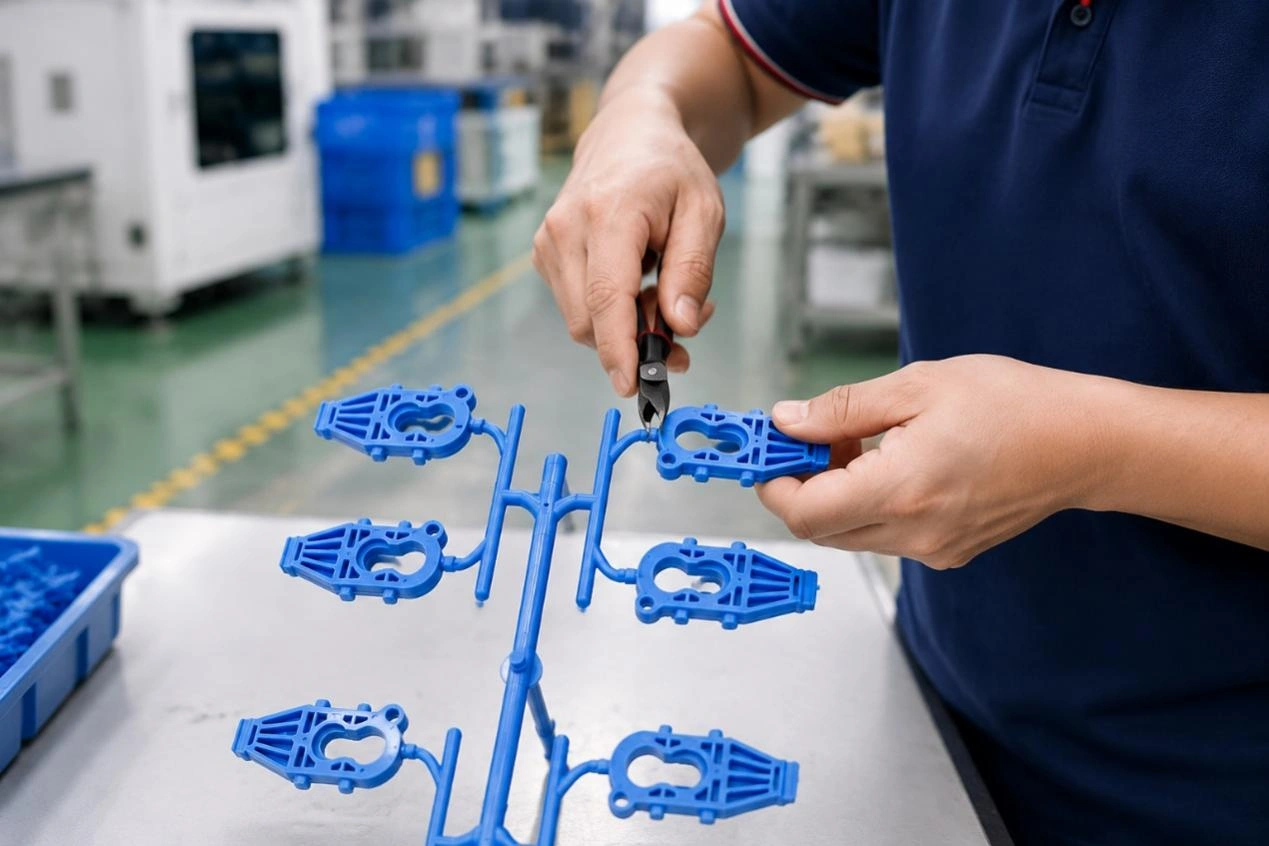
Manual Processing of Cold Runner Parts
b) Energy savings from a shorter molding cycle
A hot runner system eliminates the need to process solidified runners and may reduce the machine time, equipment depreciation, and fixed labor cost allocated to each part by shortening the molding cycle. However, the hot runner system itself requires continuous heating. Actual energy savings must therefore be calculated based on the cycle-time reduction, temperature-control power, and injection molding machine load.
4) Long-Term Maintenance and Total Lifecycle Cost
a) Cold runner maintenance cost
A cold runner mold has no high-temperature heating components. Routine maintenance normally involves cleaning residue from the parting surface and lubricating guide pins and slides. Basic maintenance is generally performed every three to six months. Since the system has no wear-prone electronic components, long-term maintenance costs remain very low. A properly maintained mold can run for millions of cycles without requiring replacement parts.
b) Hot runner operation and maintenance costs
A hot runner is a high-temperature electromechanical system that contains wear components such as heater bands, thermocouples, and hot nozzle seals:
- Short-term maintenance (monthly): Disassemble the hot nozzles to remove carbon deposits, inspect the wiring, and replace aged insulation pads;
- Medium-term wear: Heater bands may burn out, thermocouples may fail, and worn hot nozzles may leak resin, requiring replacement hot nozzle components;
- Hidden failure costs: Unbalanced temperature control can cause the plastic to degrade at high temperature and form carbon deposits that block the nozzle. This may result in burned material, silver streaks, and batch scrap.
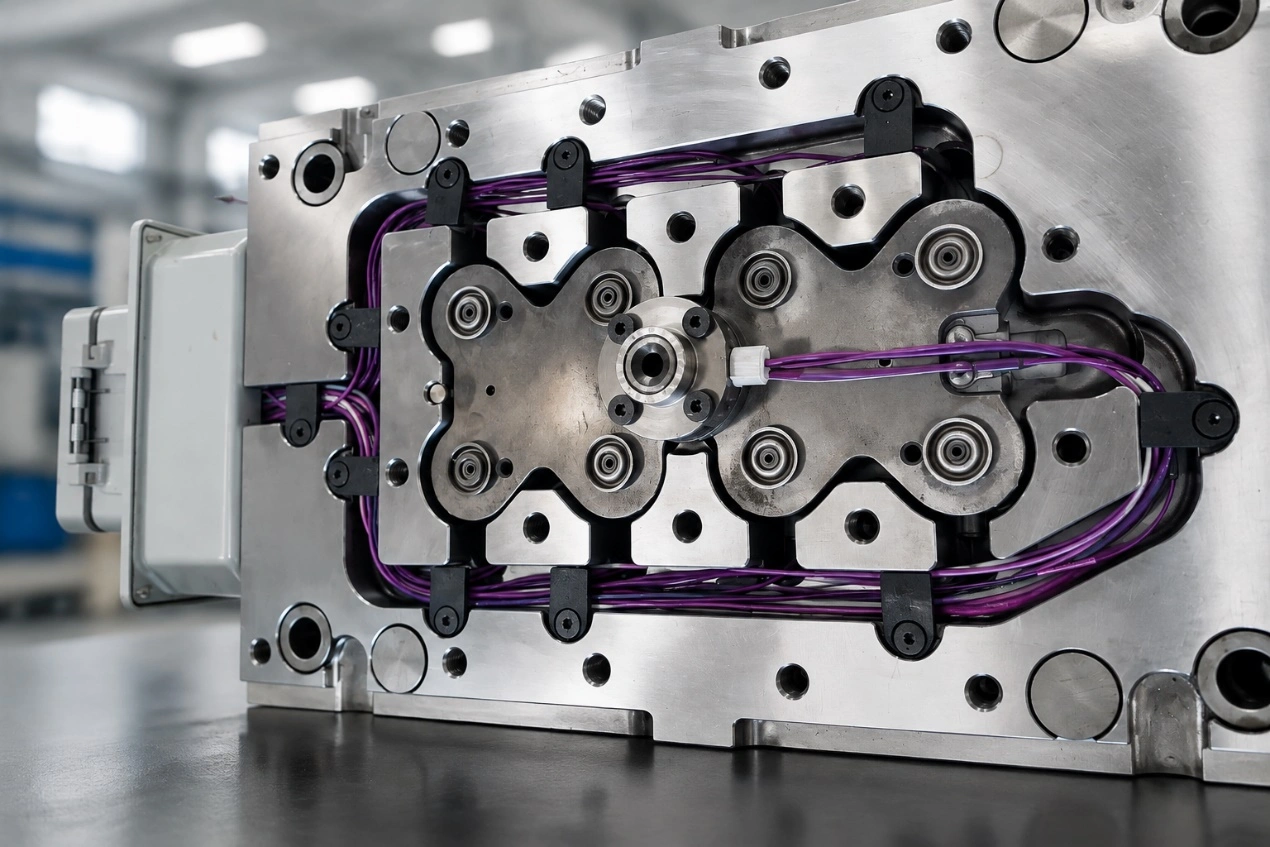
Hot Runner Mold
3. Production Efficiency Comparison Between Cold Runner and Hot Runner Systems
The main production efficiency indicators are molding cycle time and compatibility with continuous automated production. Differences in efficiency directly affect equipment utilization, daily output, and the equipment depreciation and labor cost allocated to each part.
1) Factors Limiting Cold Runner Production Efficiency
a) Cooling cycle bottleneck:
A solid runner has a relatively large cross-section and requires additional time for the melt to cool and solidify. This is the primary reason a cold runner system extends the molding cycle.
b) Post-processing reduces available capacity:
Trimming the runner from molded parts consumes production-line labor. After molding, operators must also sort the parts and separate the runners from the finished products, increasing production-line handling time.
2) Hot Runner Production Efficiency
a) Shorter molding cycle
By eliminating the thick solid runner, the mold only needs to cool the plastic inside the cavities. It does not need to cool the melt inside the runner. For common plastics such as ABS and PP, this can shorten the cycle by 12%–28%. For high-speed thin-wall parts, the reduction can exceed 30%, increasing daily output from the same machine.
b) Eliminating post-processing releases production-line capacity
A hot runner reduces the need to separate runner scrap from the molded parts. After ejection, the parts can move more directly into conveying, in-line inspection, and packaging. This makes the system better suited to continuous automated production. However, whether the gate area still requires finishing depends on the hot nozzle type, gate design, and part quality requirements.
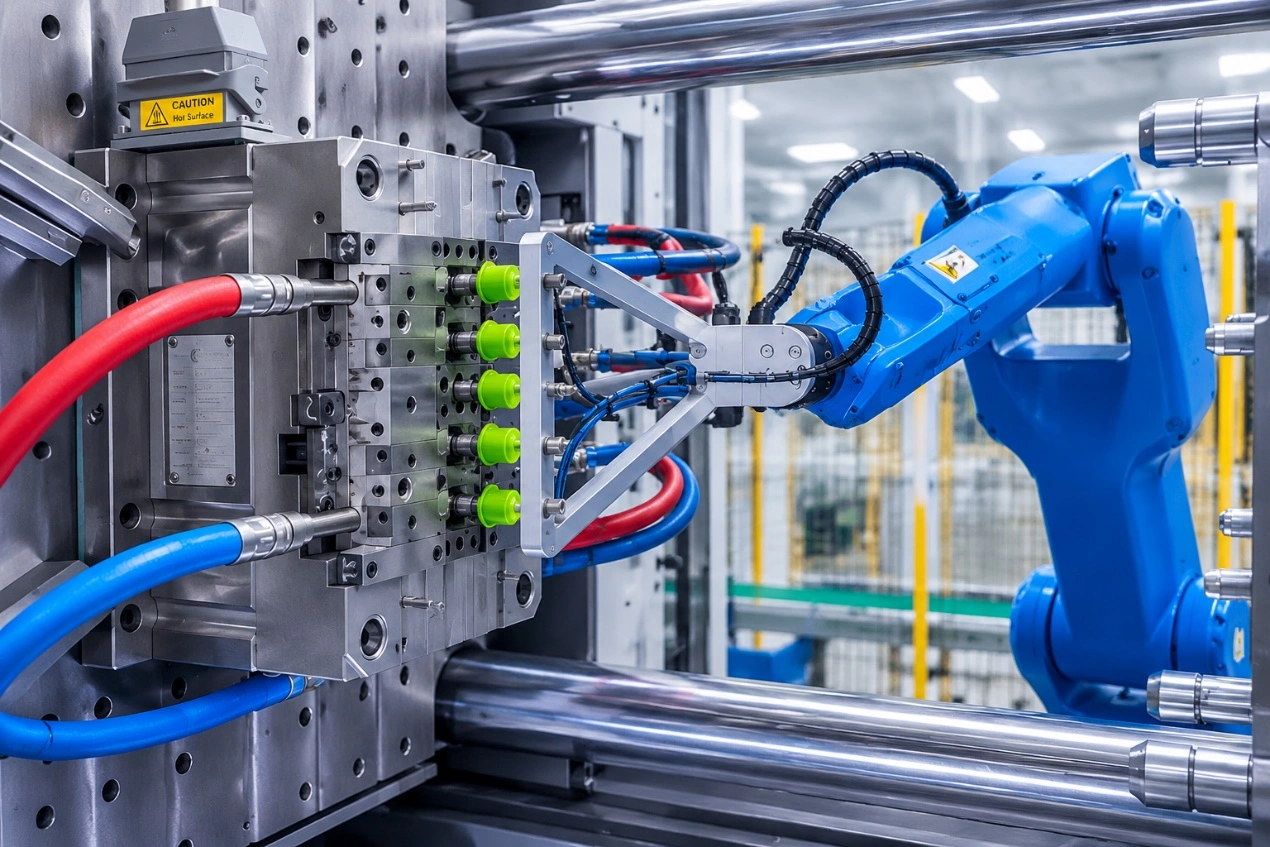
Hot Runner Automated Production
4. Applications of Hot Runner and Cold Runner Systems
Neither hot runner nor cold runner systems are universally superior. The selection should consider the product development stage, projected production volume, material properties, appearance requirements, and automation needs.
1) Projects Suitable for Cold Runner Systems
a) New product development and short-term trial production
For projects with an annual volume below 200,000 parts, a product design or color scheme that may still change, or a short lifecycle, a cold runner requires less initial investment and allows more flexible mold modifications. This reduces the sunk-cost risk if the project is terminated or the product is revised.
b) Multi-product production with frequent color changes
Toys, household products, and cultural or creative plastic parts often require frequent changes in resin and masterbatch. A cold runner has a simple structure, making material purging and color changes relatively easy. A hot runner contains internal manifolds and hot nozzles, where residual melt is more difficult to remove completely. Frequent color changes therefore usually cause longer downtime and higher cleaning costs.
c) Molding heat-sensitive or corrosive materials
PVC, POM, and some highly flame-retardant materials may degrade, form carbon deposits, or release corrosive gases when they remain at high temperature for an extended period. Melt residence time is generally shorter in a cold runner, making material degradation easier to control. Specially designed hot runner systems can also process certain heat-sensitive materials, but they require more demanding runner design and temperature control.
d) Low-price, low-margin products
For products such as disposable packaging components and standard gaskets, where the material value is low and the runner weight is small, the material savings from a hot runner may not offset the additional mold cost. In these cases, a cold runner is usually more economical.
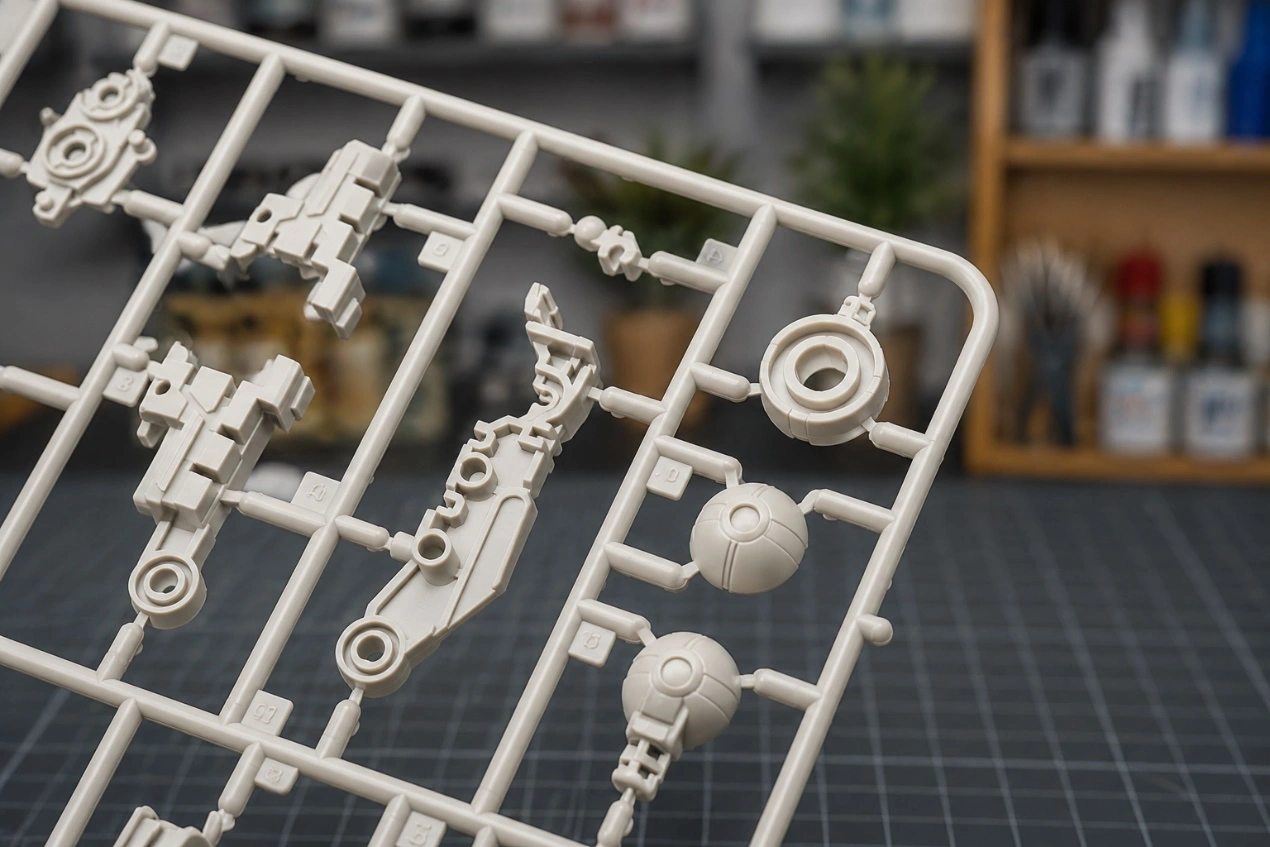
Cold Runner Parts
2) Projects Suitable for Hot Runner Systems
a) Stable, high-volume production
For household appliance housings, automotive components, and standardized connectors with an annual volume of approximately 500,000 parts or more and a product lifecycle of three to five years, a hot runner can gradually recover the additional mold investment by reducing runner waste, post-processing, and molding time.
b) High-cost engineering plastics or materials with restricted regrind use
Materials such as PA66+30% GF, PPS, LCP, and PEEK have high unit costs, and the reuse of runner regrind may be restricted by mechanical-property or appearance requirements. A hot runner reduces solidified sprue and runner waste and becomes more economical when the runner represents a large percentage of the total shot weight.
c) Products with demanding gate appearance requirements
High-gloss housings, transparent parts, cosmetic packaging, and consumer electronics housings often require minimal gate marks. A valve gate hot runner can improve gate location and appearance consistency while reducing trimming and polishing. However, the final result still depends on the gate design, material, and molding process.
d) Thin-wall, multi-cavity, and automated production
Thin-wall packaging, preforms, and multi-cavity precision connector molds require balanced filling and stable continuous production. A hot runner reduces runner cooling time and allows parts to move more directly into conveying, inspection, and packaging, making it more suitable for high-speed automated mass production.
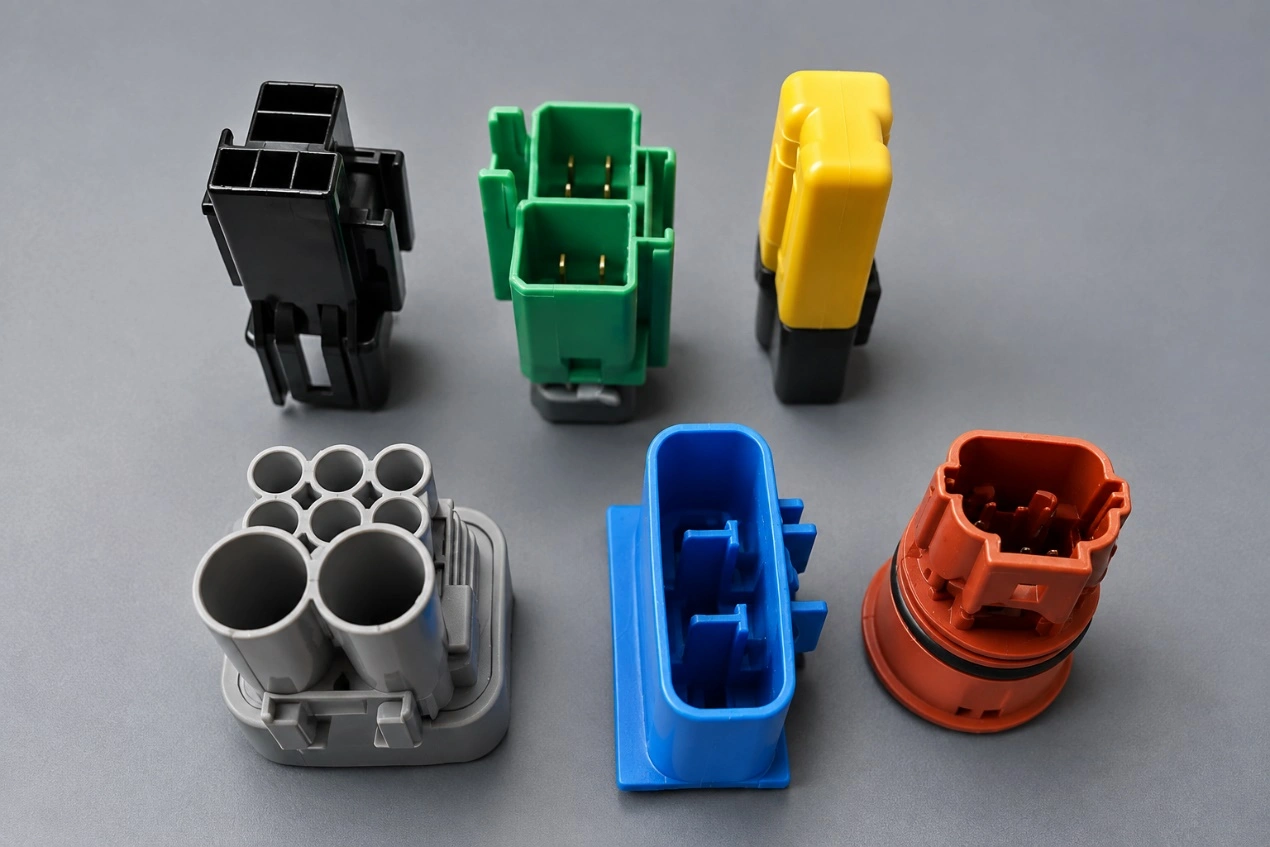
Hot Runner Parts
5. Common Mistakes When Selecting a Hot Runner or Cold Runner System
Based on the Holly team’s engineering experience in mold project planning, mass-production commissioning, and cost evaluation, common selection mistakes usually result from relying too heavily on a single factor, such as mold price or production volume, or from ignoring material properties.
1) Comparing Only the Mold Price and Ignoring Long-Term Production Costs
A cold runner mold normally has a lower initial quotation. However, during long-term mass production, runner waste and post-processing costs may far exceed the savings achieved during mold development.
For example, an automotive glass-fiber connector project had an annual production volume of approximately 800,000 parts. The cold runner option reduced the initial mold cost by about USD 5,700 compared with the hot runner option, but it added approximately USD 17,000 in annual runner waste and USD 8,600 in labor for runner separation and trimming. Over a five-year product lifecycle, the additional accumulated cost reached approximately USD 128,000.
Therefore, projects involving long-term mass production, high-cost materials, or a high runner-to-part weight ratio should evaluate the mold investment, runner waste, post-processing, production efficiency, and maintenance costs together. When annual production reaches approximately 500,000 parts, the hot runner option should receive particular attention, although the actual payback period must still be calculated for the specific project.
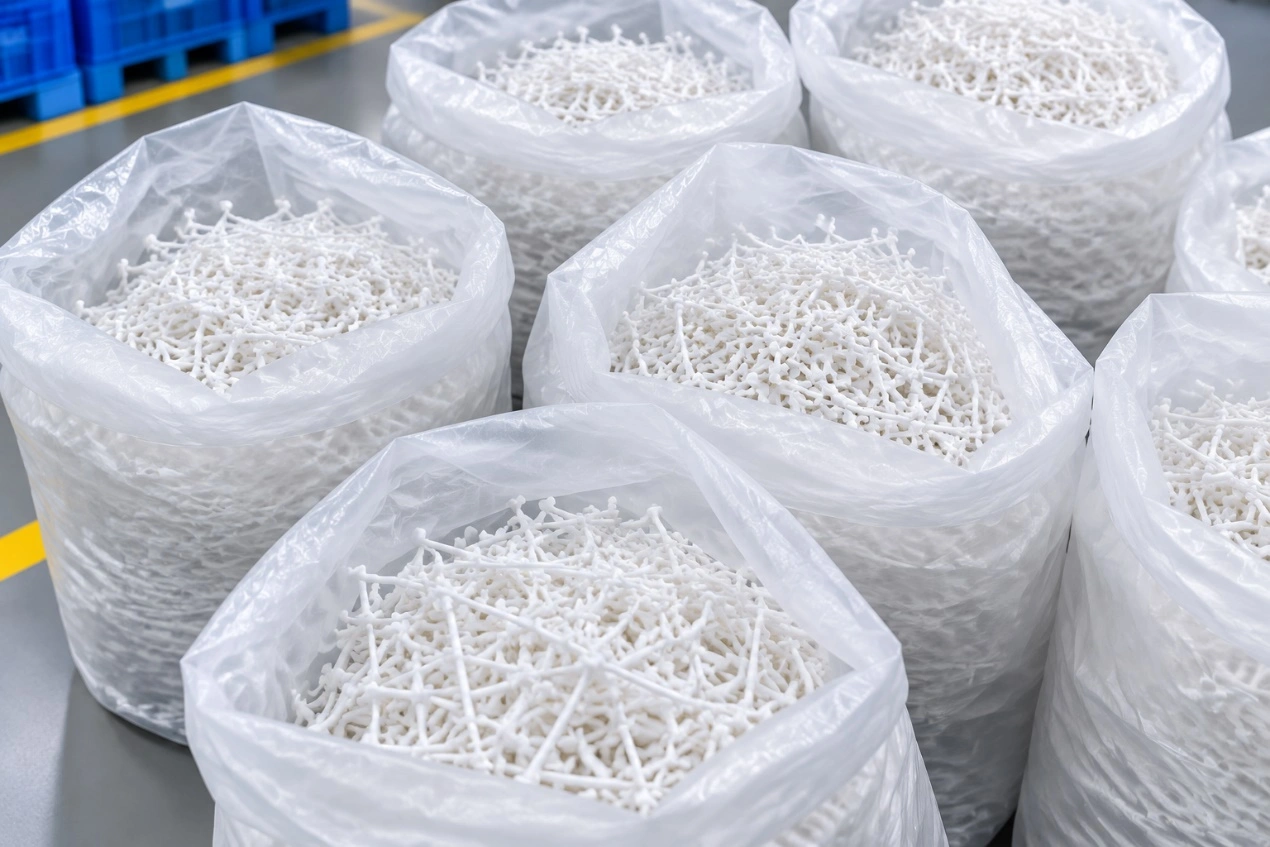
Cold Runner Scrap
2) Ignoring Plastic Material Properties
Selecting a runner system based only on production volume may cause mold failures or uncontrolled material costs.
For example, a PVC pipe fitting project used a hot runner system. The PVC remained in the system for too long and degraded, causing carbon deposits, nozzle blockage, resin leakage, black specks, and silver streaks on the molded parts. Some hot runner components required replacement. The repair cost was approximately USD 4,000, and production stopped for about seven days.
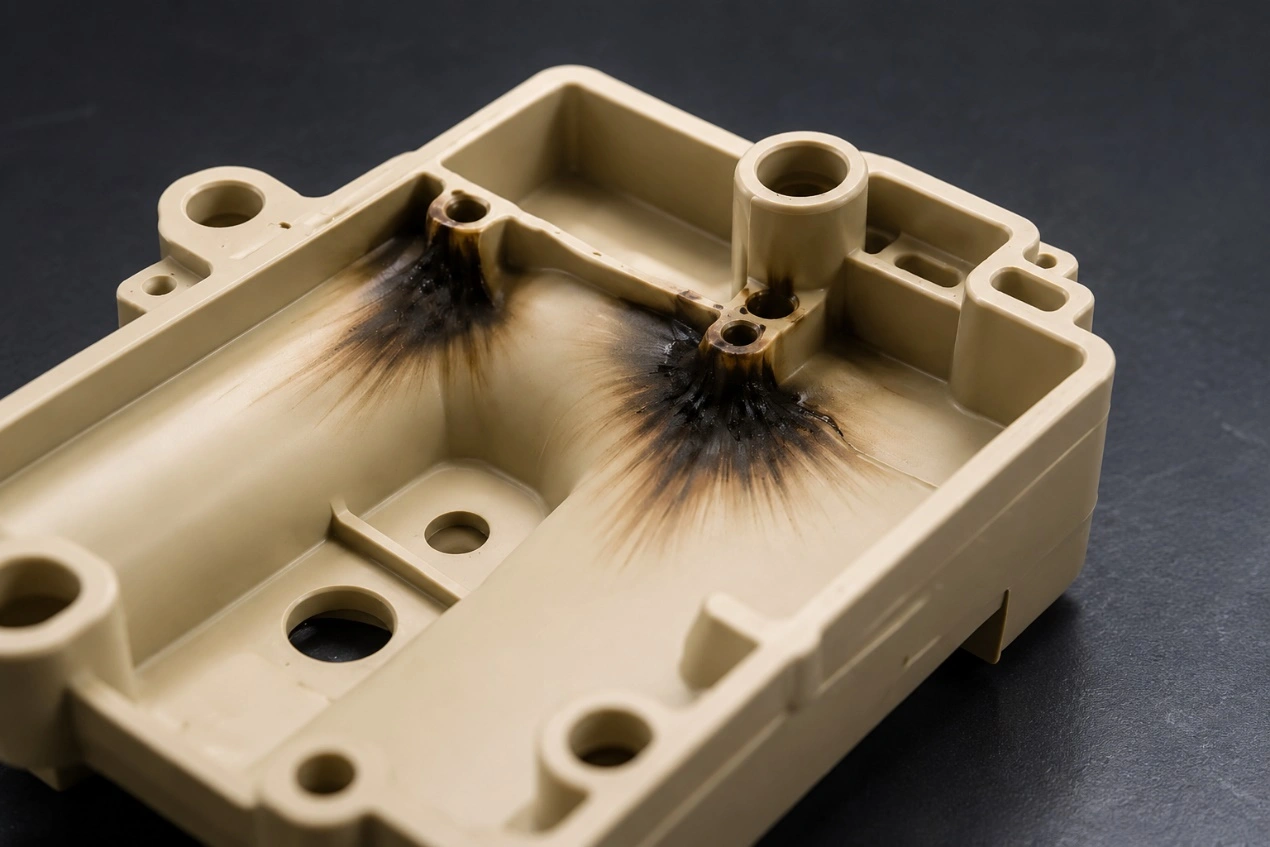
Injection Molding Burn Mark Defect
In another PA66+GF connector project, the projected total production volume was approximately 300,000 parts. Although the volume was not particularly high, the glass-fiber-reinforced runner scrap generated by the cold runner system could not be reused directly in the same product, making the actual scrap cost significantly higher than expected.
Before selecting a runner system, the engineering team should first confirm the material’s thermal stability, corrosiveness, filler content, regrind restrictions, and unit price. PVC and certain heat-sensitive materials are generally more suitable for cold runner systems. High-cost materials or materials with restricted regrind use, such as PA66+GF, PPS, LCP, and PEEK, should still be evaluated for a hot runner system even when the production volume is below the usual threshold.
3) Selecting a Complex Hot Runner Before the Product Is Stable
The economic value of a hot runner system normally depends on stable, long-term mass production. For products still in the development, trial-production, or market-validation stage, the additional mold investment may not be recovered.
For example, a new product was projected to reach an annual production volume of approximately 150,000 parts with a lifecycle of about one year. To minimize the gate mark, the project used a valve gate hot runner system, increasing the mold cost by approximately USD 4,600 compared with a cold runner design. By the end of the project, actual production had reached only 150,000 parts, and the material savings were less than USD 700. The additional investment was not recovered.
For projects with annual production below approximately 200,000 parts, a lifecycle of less than one to two years, or a design that may still change, a cold runner generally presents less risk. When annual production reaches approximately 500,000 parts and both the order volume and product design are stable, the project team can conduct a more detailed return-on-investment evaluation for a hot runner system.
The thresholds of 200,000 and 500,000 parts are only preliminary reference values. High-cost materials may justify a hot runner system even at lower production volumes. Conversely, when the material is inexpensive and the runner weight is low, a cold runner may remain more economical even at higher production volumes.
6. Conclusion
Neither hot runner nor cold runner systems are universally better. The key is selecting the system that best fits the specific project. By evaluating the part structure, plastic material, projected production volume, and production objectives during the early stage of mold development, companies can reduce mold trial risks, control long-term manufacturing costs, and improve mass-production stability.
For new injection-molded product development, Holly can provide runner system selection recommendations to help identify potential risks before mold manufacturing and select the most suitable solution for the project. Please send us your product drawings, material grade, and project requirements to discuss them with our engineering team.