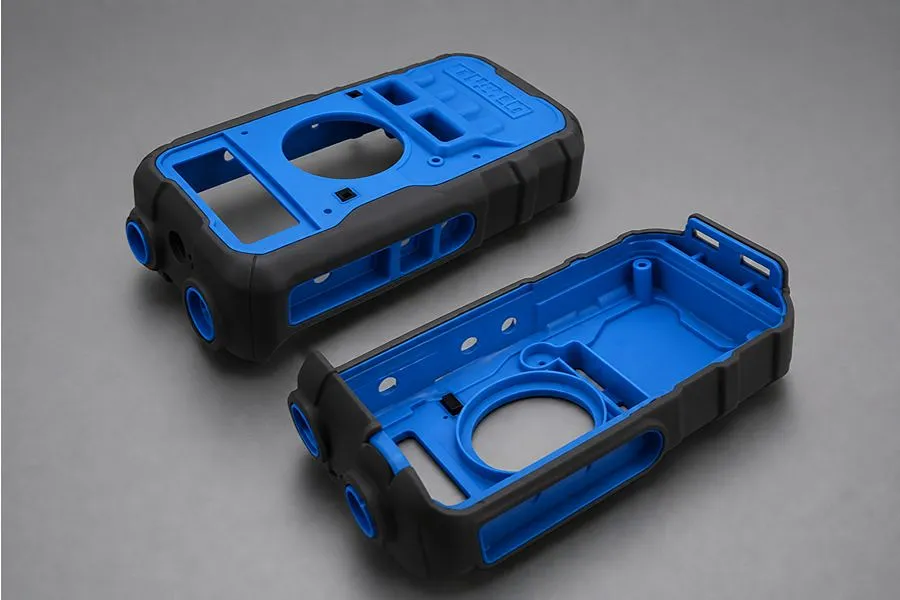
Insert Molding and Overmolding can be used to assemble various materials or preformed parts into a single molded component. Insert Molding primarily involves molding plastic parts around preformed parts like Metal Inserts or Pins, while Overmolding is the process of injecting a different plastic over the surface of an already molded Substrate.
Holly discusses the applications, material combinations and product functions of Insert Molding and Overmolding, and compares the molding processes.
1. What Are Insert Molding and Overmolding?
In both processes, pre-manufactured parts are used in the injection molding process. First, let’s find out the basic concept for each molding method.
1.1 What Is Insert Molding?
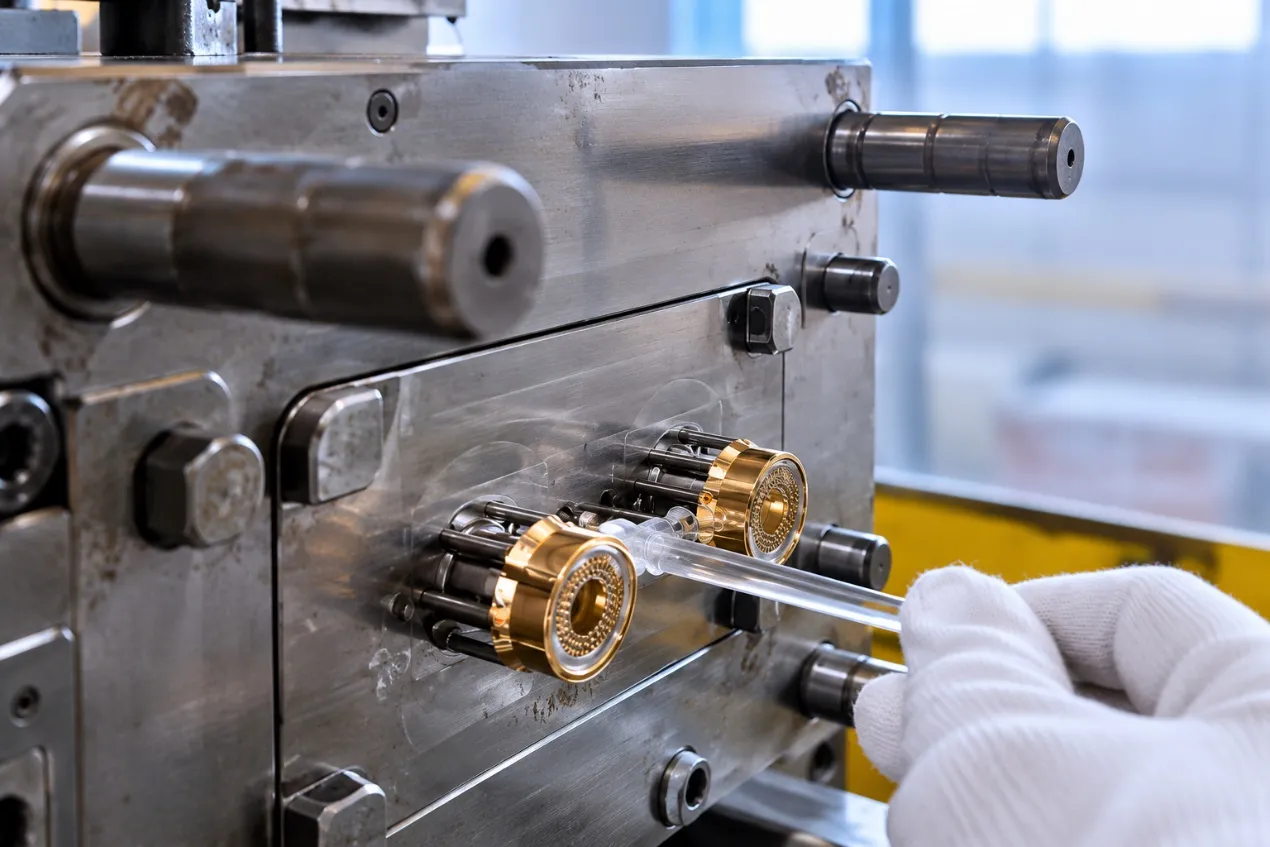
Insert Molding is a process in which a pre-made insert is first inserted and positioned in the mold, and then molten plastic is injected around the pre-made insert to form a complete part along with the plastic body.
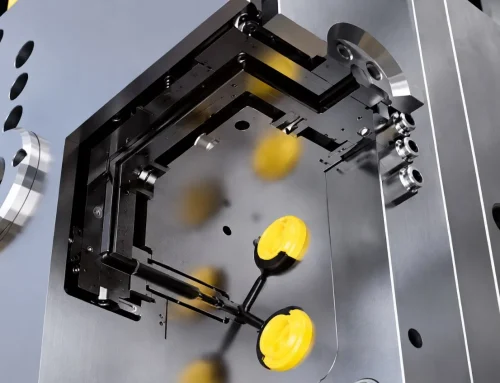
Insert Molding Process
1.2 What Is Overmolding?
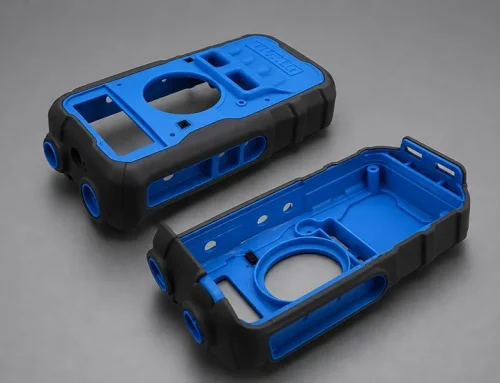
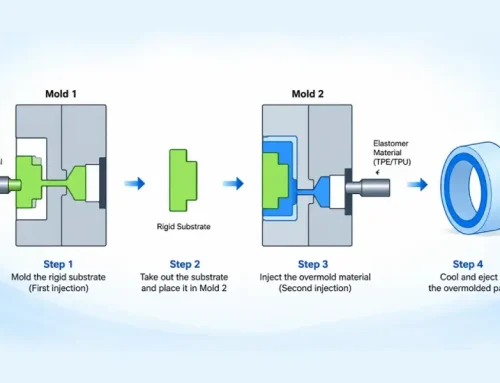
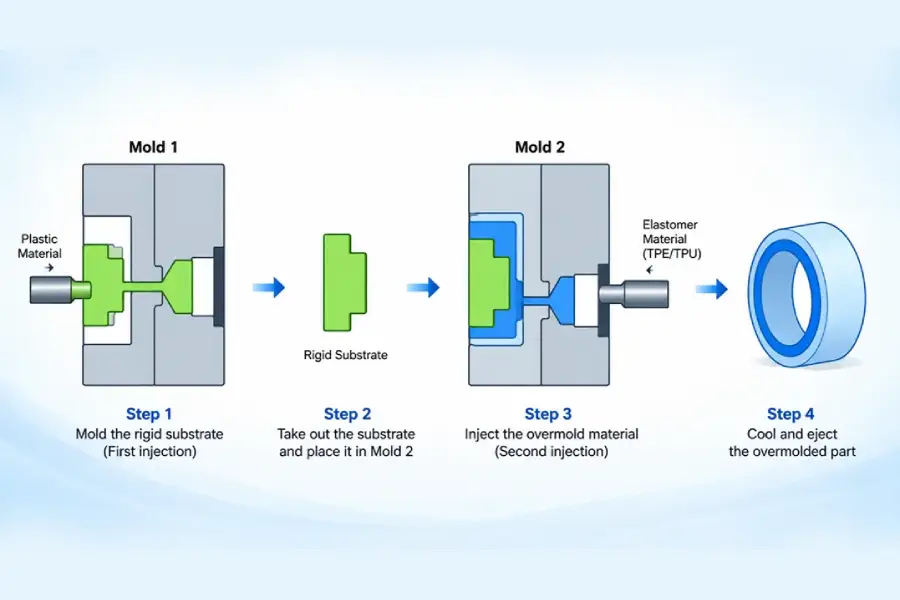
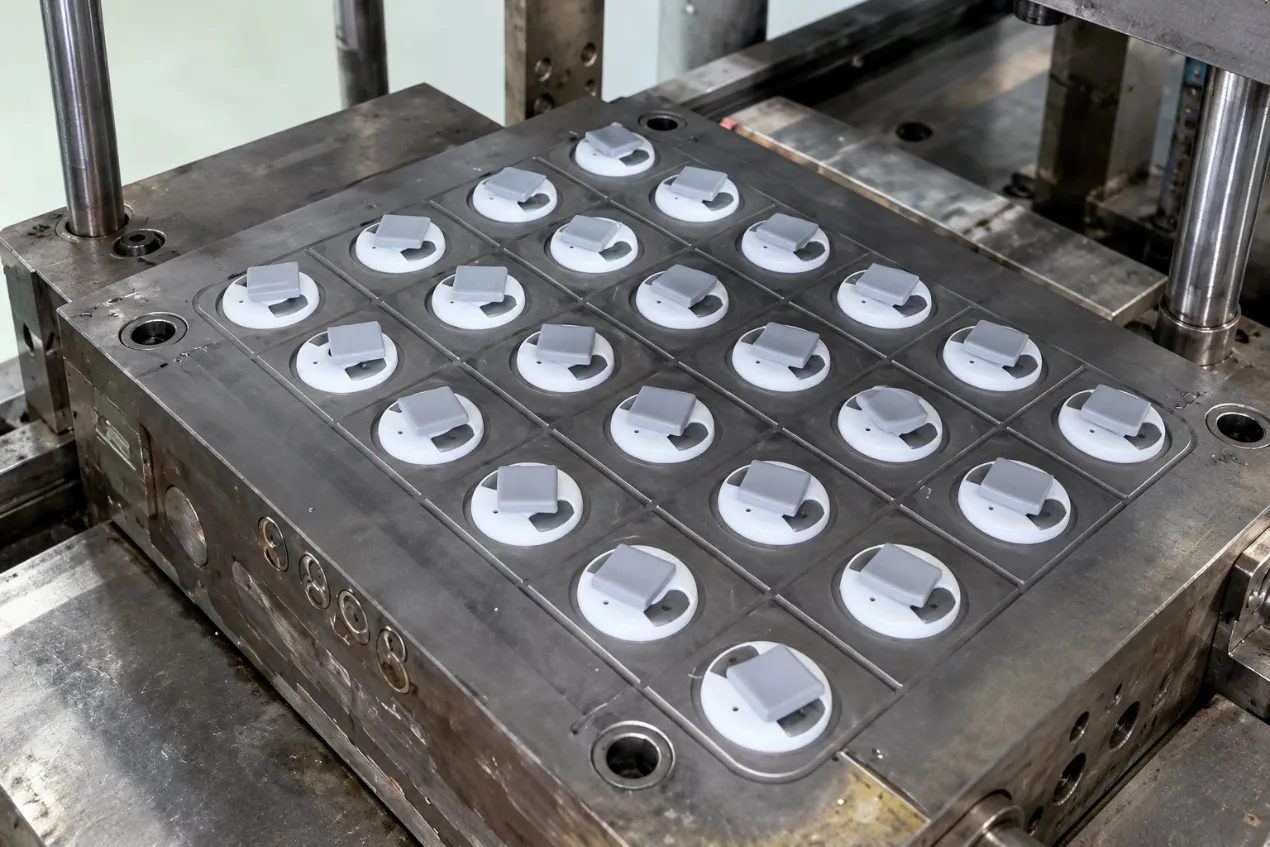
The other plastic material is injected over the Surface of the already molded substrate; this is Overmolding. In production, a hard Substrate is typically first made in the first mold, then a second material such as TPE, TPU or another second material is injected into a second Overmolding Mold.
Overmolding Process
1.3 What Is the Core Difference Between Insert Molding and Overmolding?
The distinction is in the function of the pre-formed elements in the whole. Insert Molding typically refers to the process of placing plastic over a pre-made functional part such as a Metal Insert, Terminal or Pin. In contrast, overmolding involves attaching a layer of additional material onto a molded Substrate to form a surface or added functionality in a specific area.
2. What Are the Differences Between Insert Molding and Overmolding?
Apart from the different components, the two processes also have vastly different molding processes, material combinations and functions.
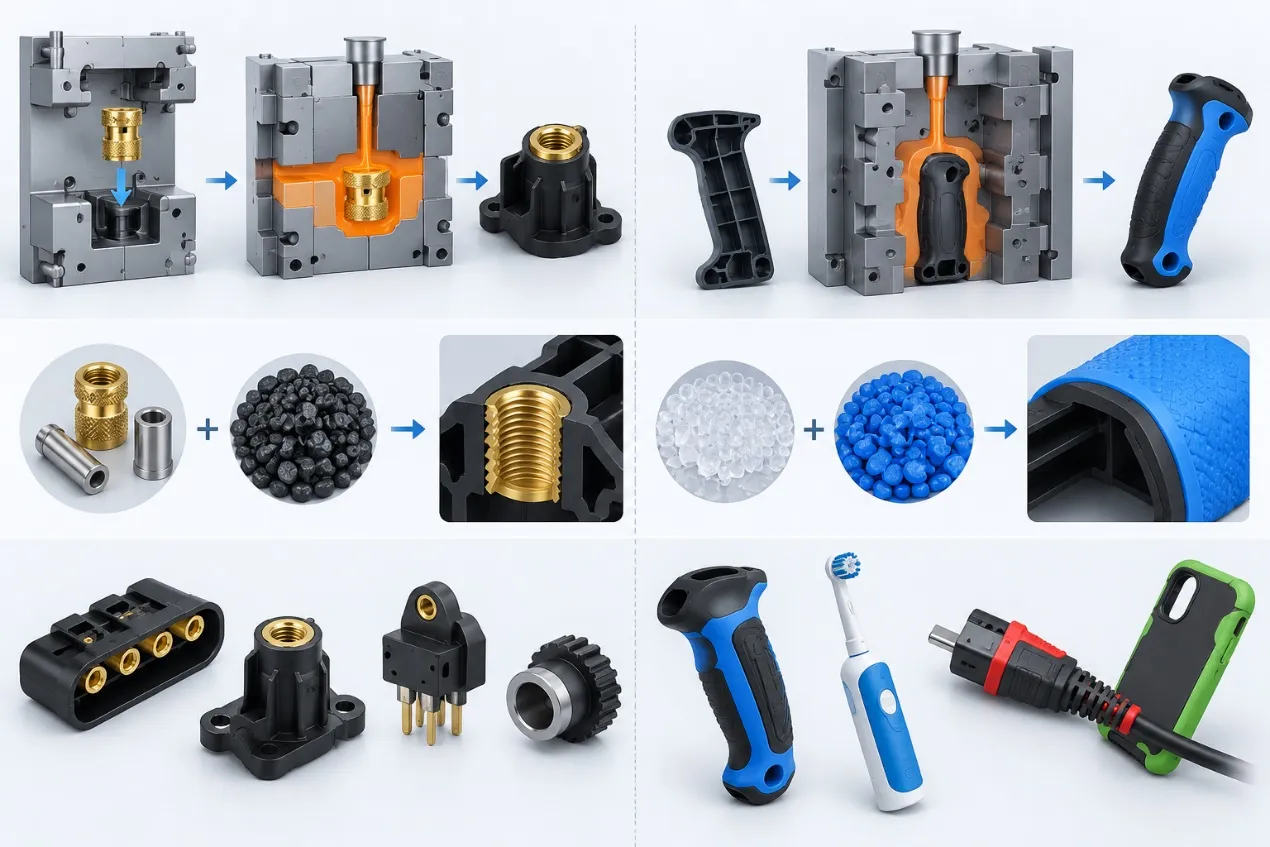
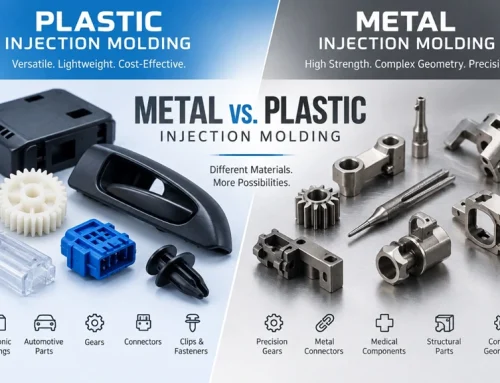
Differences Between Insert Molding and Overmolding
2.1 Differences in the Molding Process
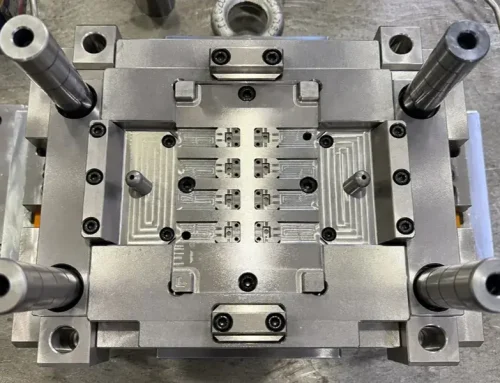
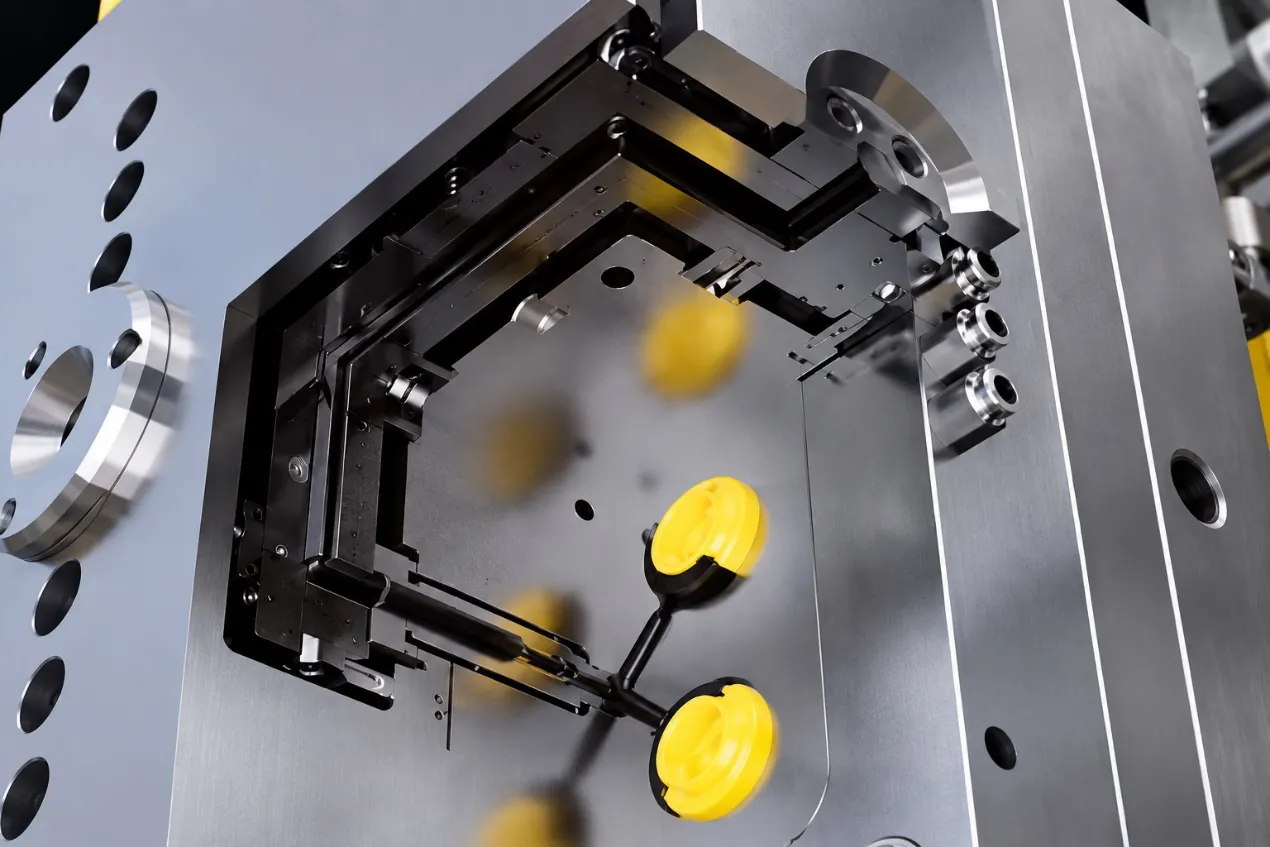
Typically, only one injection molding cycle is needed for Insert Molding. The Insert is pre-positioned and then placed in the Mold prior to production. Once the mould is closed, the plastic is forced around the Insert. When the Insert and plastic body are cooled, they are removed from the mould. Inserts can be inserted by hand in small batch production. A vibratory bowl feeder, robotic arm, or automatic feeding system can be used for loading and positioning when producing in large batches to enhance the production cycle time and Insert Position consistency.
Positioning is one of the important control points on this process. Position deviation, tilting or partial exposure may result when the Insert moves while the mold is closing or during injection.
Typically, there are two partially independent molding operations that are commonly referred to as overmolding. The Substrate is produced first, and then placed into the second mold in the Second Shot, subsequently followed by part removal, transfer, and secondary clamping. An Overmolding Mold can be developed directly from the Substrate or Substrate Mold if it is already available.
The key to Overmolding is the secondary positioning and fitting of the Substrate. Overmolding offset, exposed substrate and/or local flash may result from unstable positioning.
2.2 Differences in Material Combinations and Bonding Methods
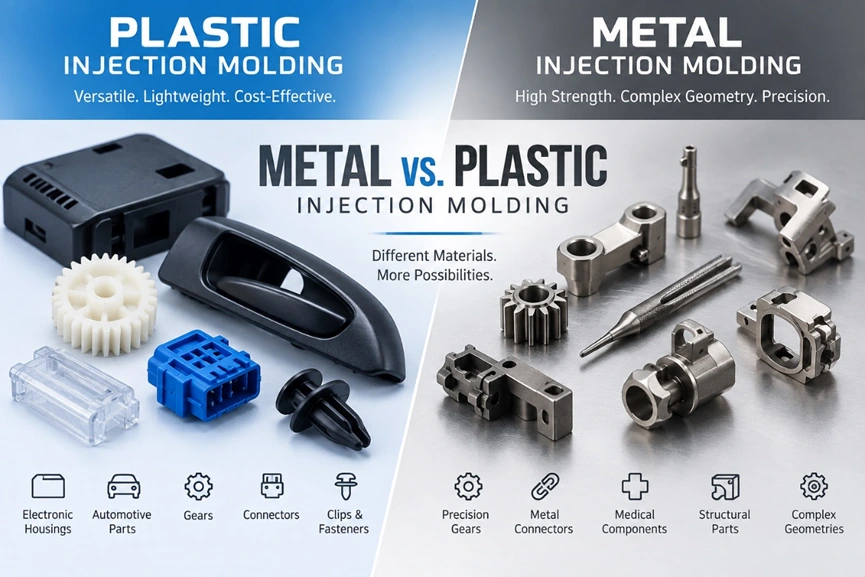
Insert Molded Parts are most commonly made of a thermoplastic material in combination with Metals. Common metals include Brass, Stainless Steel, and carbon steel and common plastics include PA, PBT, PC, ABS and PP. Once the plastic has been injected, it envelops the Insert upon cooling and secures it inside the plastic body. These two pieces are generally mechanically joined by the overmolded structure and knurling, grooves, holes or other geometric features on the Insert surface.
Thermoplastic + TPE/TPU is used in overmolding more frequently. The bond between the Second Shot and Substrate should be stable, and it is of course important that the material is compatible. For PP, ABS, PC/ABS, or PA, different Bonding Grades may be necessary for TPEs with the same Shore Hardness. The Overmolding process is primarily based on the bond formed at the interface between the Substrate and second-shot material, and the interlocking of structures at certain locations when required.
2.3 Differences in Product Functions and Application Purposes
Insert Molding is primarily used to add threaded connections, structural support, wear resistance or electrical conductivity to plastic parts. Brass Threaded Inserts provide the means for creating metal threads in plastic, Metal Bushings can be used for shaft holes or load-bearing areas, and Terminals and Electrical Contacts can be used to directly insert conductive components into plastic insulated structures.
The primary applications for overmolding are for anti-slip, shock absorption, sealing, Soft-Touch, insulation or localized protection. A Grip, Seal, Strain Relief or soft contact surface can be created by bonding an elastic material like TPE or TPU to specific areas of a rigid plastic body.
3. What Products Are Insert Molding and Overmolding Suitable For?
The following are a few examples of what commonly happens in the real world when using Insert Molding and Overmolding for these materials.
3.1 Common Insert Molding Products
- Electrical Connector and Terminal Housing: Secures Terminals, Contacts or Pins in a plastic insulating housing.
- Threaded Plastic Housing: Contains Brass Threaded Inserts for screws and repeat assembly/disassembly.
- Automotive Electronic Components:Integrates Terminals, Metal Pins, Bushings or Sleeves.
- Medical Device Components: Inserts metal pins, electrical contacts or connectors into a plastic casing.
- Add Connection, Positioning or wear-resistant structure: Mechanical Structural Components: Metal Bushings, Shafts, Inserts.
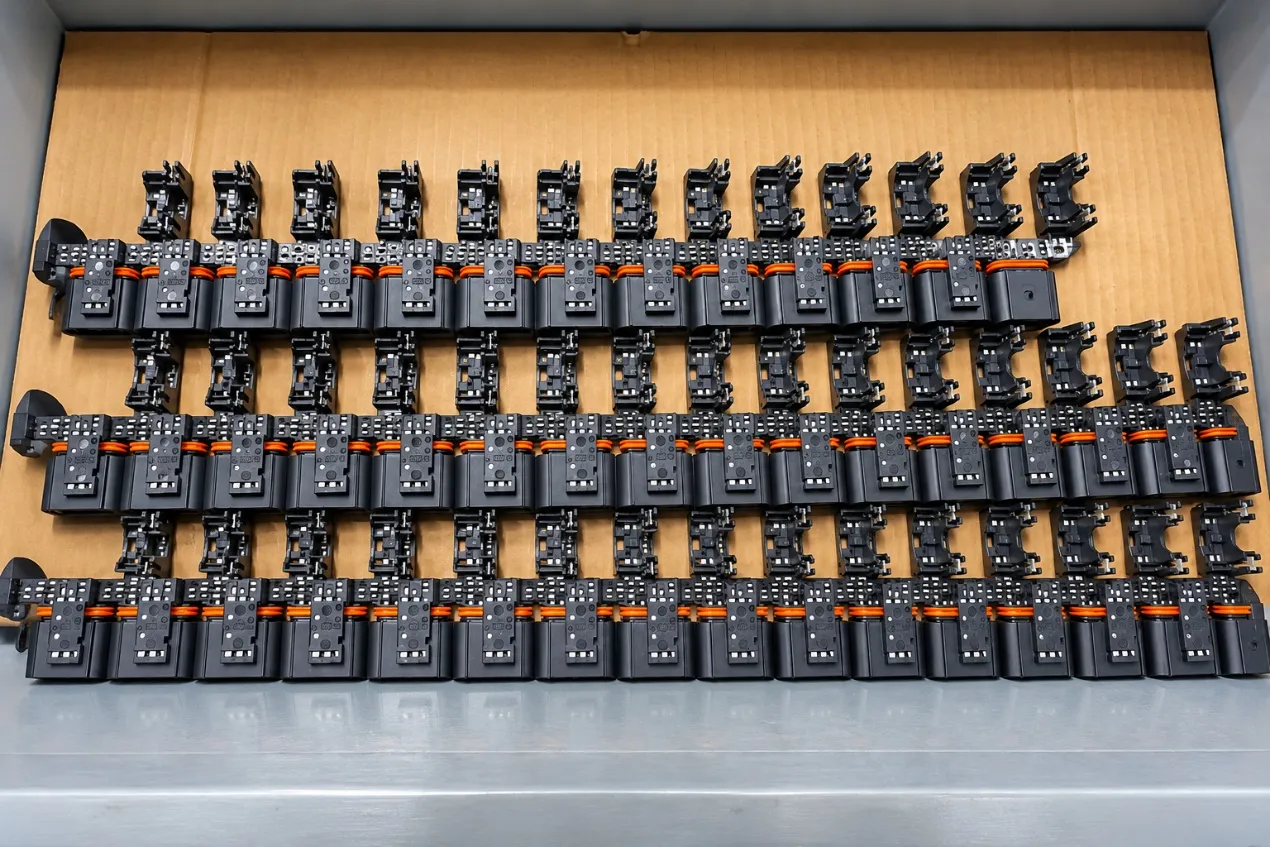
Insert Molding Product Images
3.2 Common Overmolding Products
- Add TPE Grip, anti-slip and shock-absorbing areas on Power Tool and Hand Tool Handles.
- Electric Toothbrush and Shaver Handles: Add Soft-Touch, anti-slip areas.
- Medical Device Handles and Housings: Install soft-grip and localized protection areas for medical device handles and housings.
- Electronic Housing: Incorporate TPE Seals, cushioning and/or Soft-Touch Areas.
- Connector/Cable Assembly: Include Insulation, sealing, and Strain Relief.
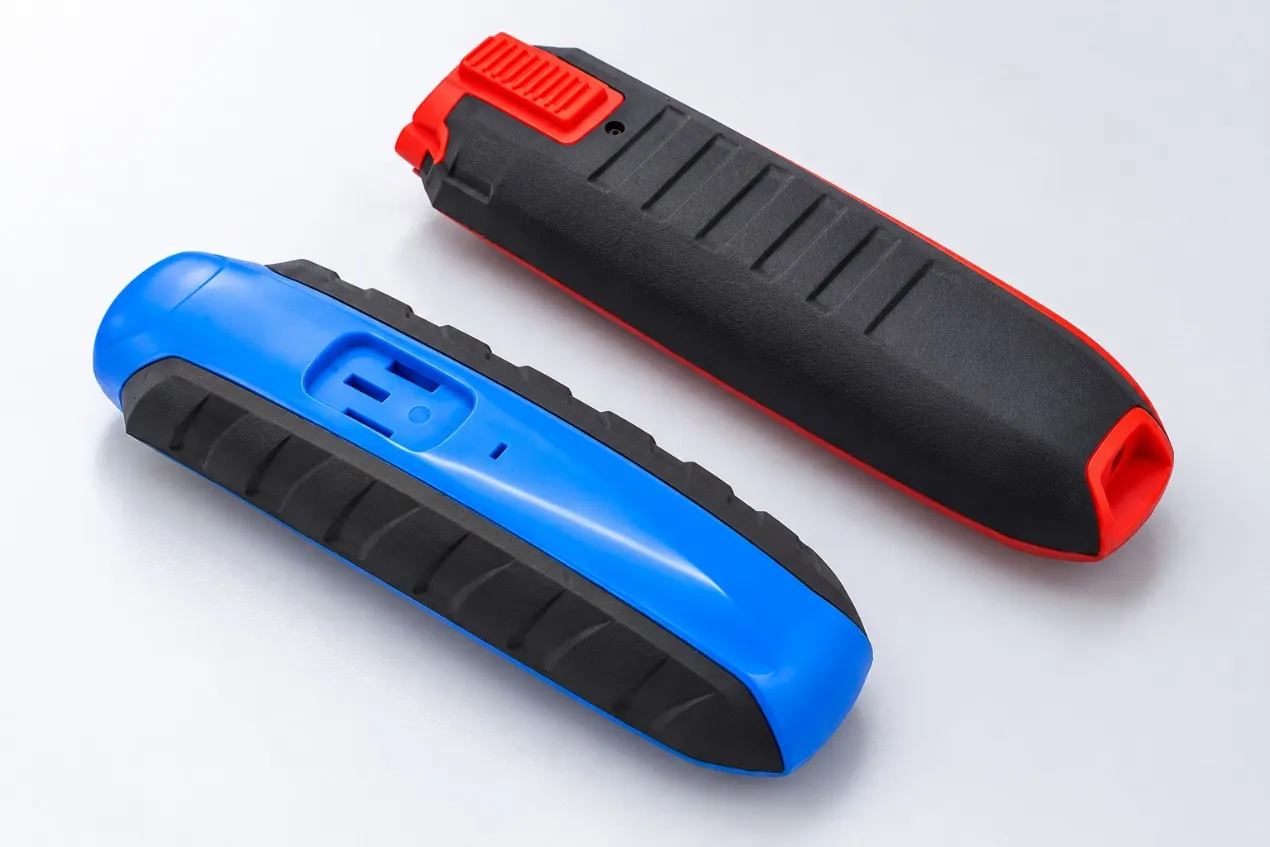
Overmolding Product Images
3.3 Which Products Can Use Both Processes?
Both Insert Molding and Overmolding can be used for some products that include metal functional components and a second plastic structure. Typical products are power tool handles, Electronic Housings, medical device handles, Connectors, and automotive plastic parts. Insert Molding is used to incorporate Threaded Inserts, Terminals, Pins or Bushings, and Overmolding is used to attach TPE Grips, Seals, Soft-Touch, insulation or cushioning areas.
4. How to Choose Between Insert Molding and Overmolding?
Considering the above engineering differences, the following are considered the primary selection criteria for Insert Molding and Overmolding:
| Comparison Aspect | Insert Molding | Overmolding |
| Encapsulated Component | Metal Insert, Terminal, Pin, Bushing, etc. | Pre-molded Plastic Substrate |
| Material Combination | Metal + Thermoplastic | Thermoplastic + TPE/TPU |
| Molding Process | After placing the Insert into the mold, perform injection molding | Second Shot after molding the Substrate |
| Total number of injection molding steps | Usually one | Usually two |
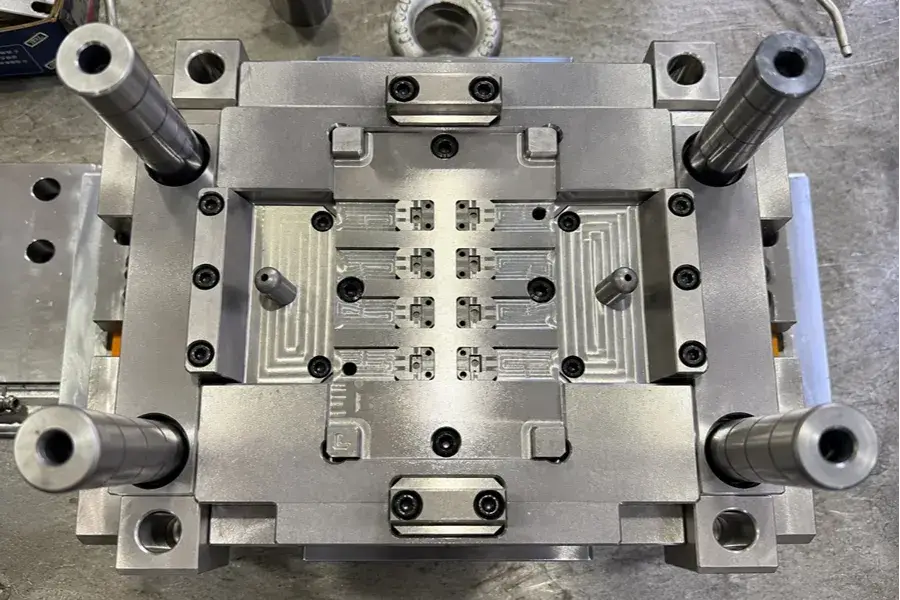
| Mold Configuration | Usually one Insert Mold | Usually Substrate Mold + Overmolding Mold |
| Key Positioning Object | Insert | Substrate |
| Main Positioning Risks | Insert offset, tilting or exposure | Overmolding offset, exposed substrate, or flash |
| Main Material Issues | Shrinkage and localized stresses around the Insert | Compatibility and bonding between the Substrate and Second Shot Material |
| Threaded Insert | Suitable | Usually Not a Primary Application |
| Metal Bushing / Pin | Suitable | Usually not a primary application |
| Electrical Terminal | Appropriate | Typically not a main use |
| TPE Grip | Typically not a main application | Applicable |
| TPE Seal | Not typically a main application | Appropriate |
| Existing Plastic Substrate | Usually not a primary application condition | Can be used to directly develop an Overmolding Mold |
| Metal Insert + TPE | Can integrate internal Metal Inserts | Can add external TPE overmolding |
5. Conclusion
Insert Molding is primarily used to assemble pre-manufactured functional parts like Threaded Inserts, Bushings, Terminals, and Pins into a plastic molded part. It can be applied to products that need threaded connections, supports, wear resistance and electrical conductivity. The key idea of Overmolding is to incorporate a second material into an existing Plastic Substrate. It is appropriate for products that need Grip, Soft-Touch, sealing, shock absorption or local protection.
Holly offers Insert Molding, Overmolding, Mold Manufacturing, and Injection Molding. Please provide us with your 3D Drawing, insert specifications, material requirements, and annual volume We will design DFM and project evaluation according to the part structure, insert positioning, material combination, production requirements, etc., and provide the mold and injection molding production quotation.