Injection molding is one of the most efficient processes to convert raw material to millions of identical parts. Early in each and every project, manufacturers must make a basic decision between metal injection molding (MIM) and plastic injection molding. They both use a mold, and they both are good for high-volume complex geometry production – but they perform very different functions. In this guide, the differences between the processes are explained in practical terms and you can determine your parts’ best choice of process.
1. How the processes work
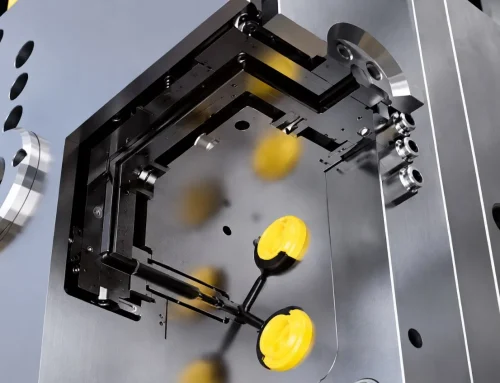
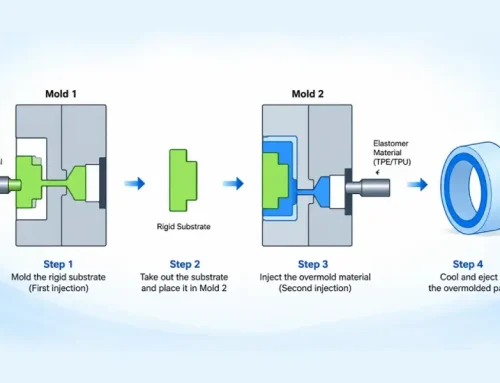
Plastic injection molding applies pressure to a precision mold for thermoplastic pellets and pushes the molten plastic into it. Once filled, packed and cooled, the plastic becomes solid, and is ejected from the mold.
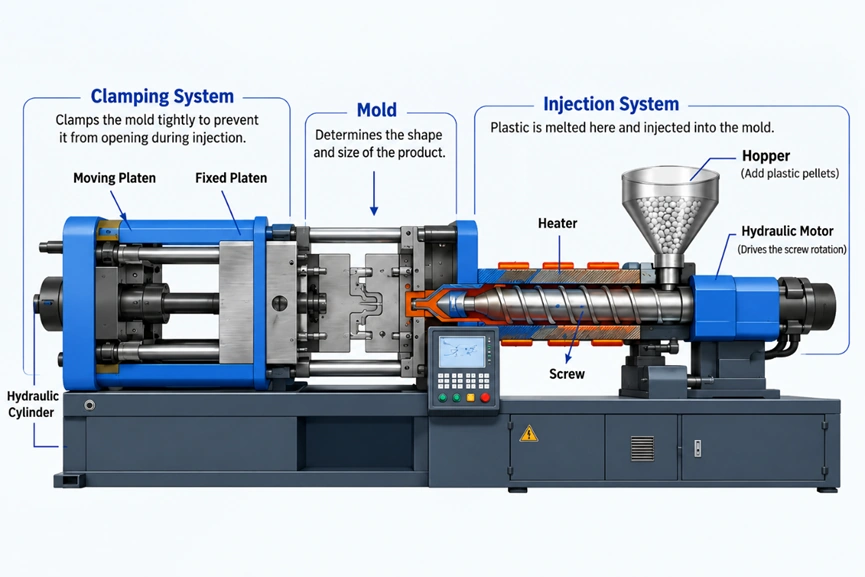
Plastic injection molding processes
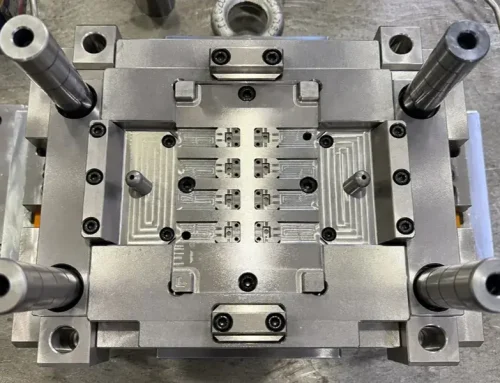
MIM involves feeding a fine metal powder (usually stainless steel, titanium or cobalt-chrome) into the mold together with a polymer binder, and removing the binder and sintering the part in a furnace. This creates a dense (95-99%+) metal part with only a complex shape possible with molding.
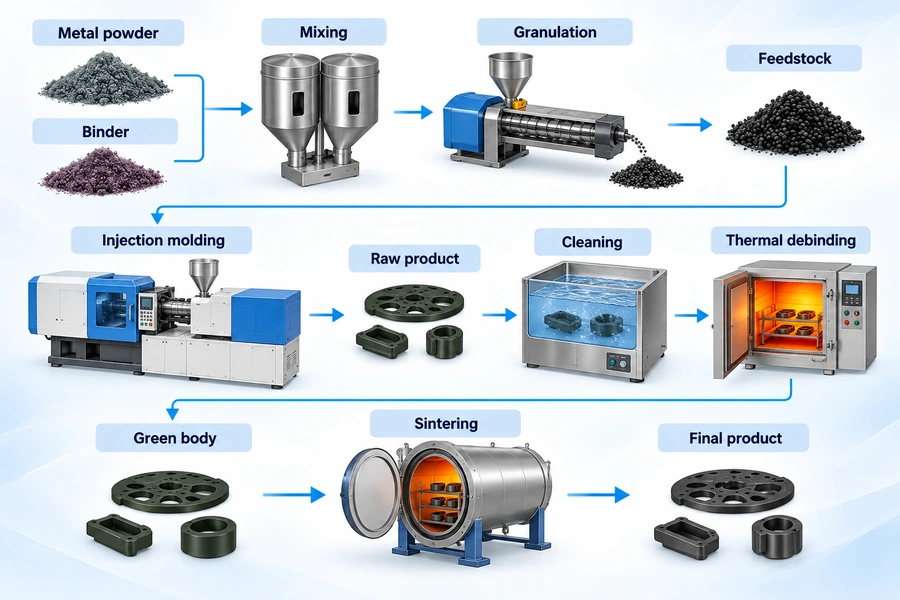
Metal injection molding processes
2. Material properties
Strength and temperature: MIM parts are actual metal. They are used for structural load, high temperature and harsh chemicals. By their nature, plastic parts are light and resistant to corrosion, but they creep under continual load and soften when heated.
Weight: If reduction in weight is more important than strength – enclosures, housings, consumer products – plastic wins. Where torque, pressure or wear are important, metal will outlast the part – gears, latches, surgical instruments.
Tolerances: Both processes are capable of very close tolerances, usually in the +/-0.1 mm range as sintered, with the potential for higher tolerances after secondary machining.
3. Cost structure
Tooling: Both require a custom mold, but in the case of MIM, it is typically more costly, as the melt is an abrasive material and the shrinkage must be controlled during the sintering process.
Part price: Plastic parts are nearly always cheaper per piece – the polymers cost less than metal powders and the cycle times are seconds rather than the multi-step MIM process.
Volume sweet spot: Plastic molding is economical from a few thousand units upward. MIM is usually justified from around 10,000 to millions of small parts, where the alternative (machining each part from bar stock) becomes far more expensive.
4. Size and geometry limits
For small, complex parts, typically under 100 grams and under 100mm with walls under 5mm, MIM shines. Consider a stainless steel latch, a titanium dental abutment or a cobalt-chrome orthopedic component. Plastic molding can be used for much larger size ranges from little clips to big car panels.
5. Industry applications
Use plastic injection molding when: Weight, insulation or cost per part is more significant than size.
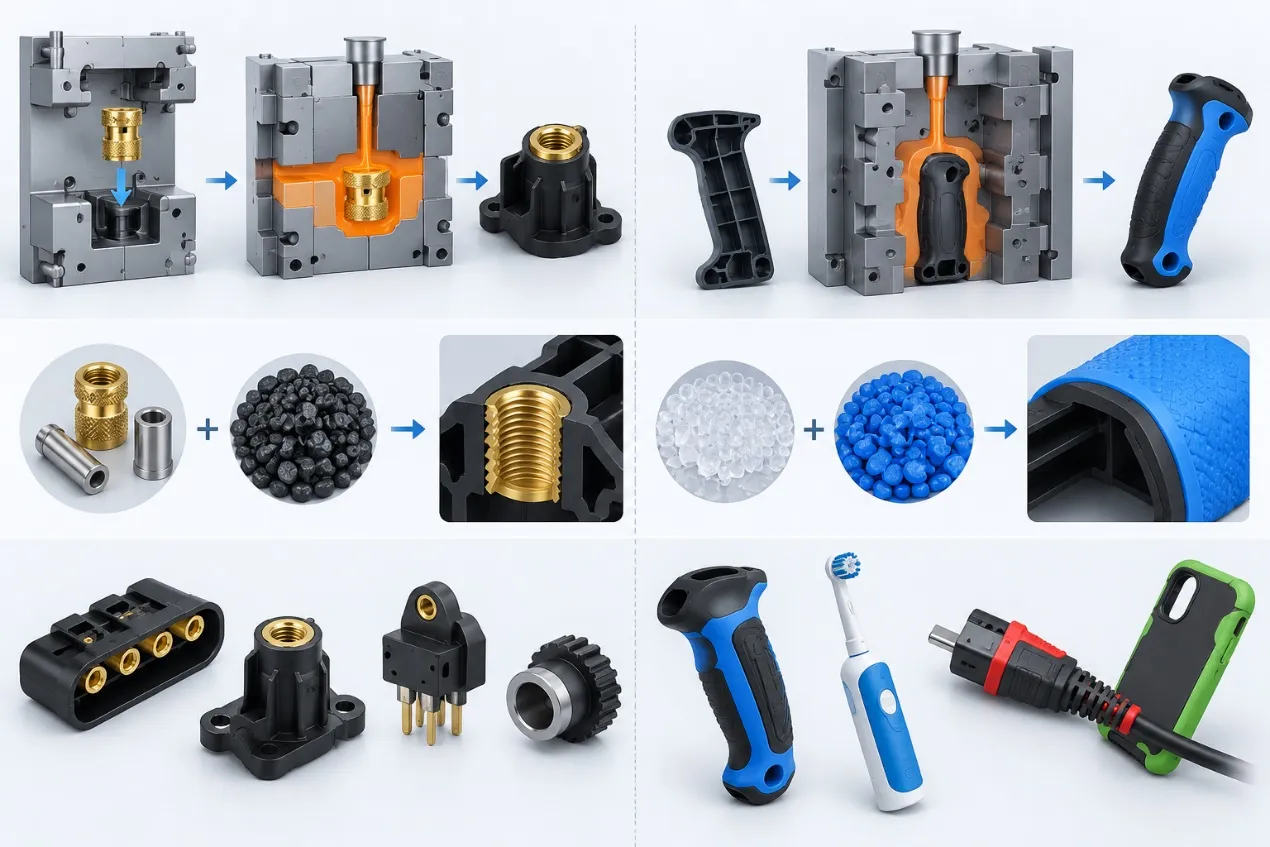
Use metal injection molding for: Medical devices and surgical instruments, Firearm parts, Aerospace fittings, Automotive safety and drivetrain parts, Watchcases and small metal structural parts that are too difficult to economically machine.
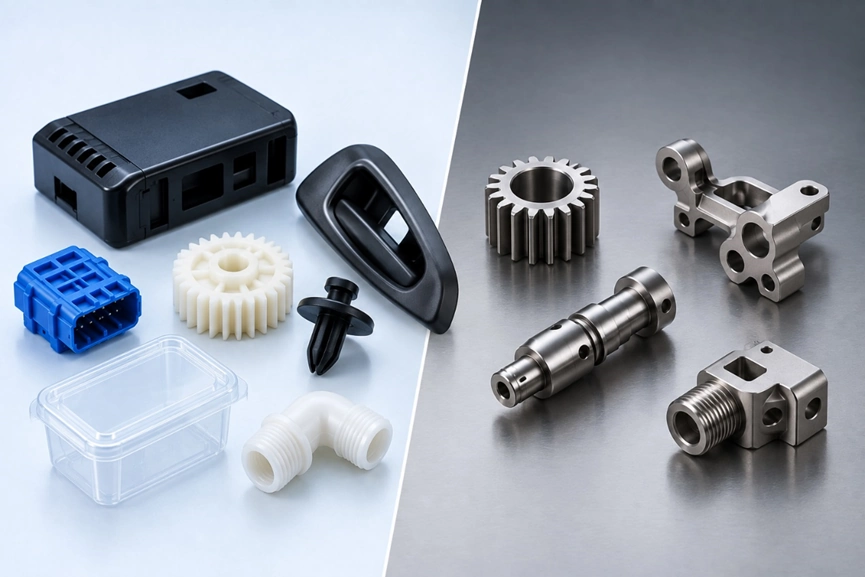
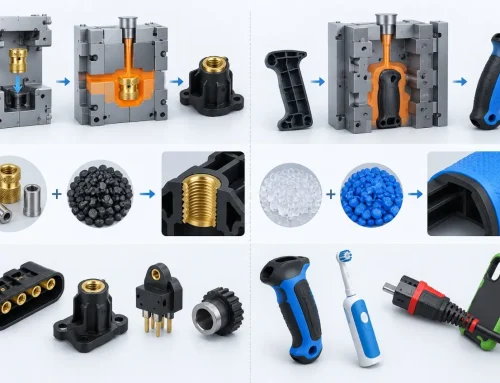
plastic injection molding applications vs Metal injection molding applications
6. A practical decision checklist
Ask the following questions in the following order:
a) Is the part structurally loaded or subjected to wear and/or heat? → Consider MIM.
If the geometry is small and complex (less than ~100g), then b) is yes, b) is a small, complex geometry (under ~100g), and b) is a MIM candidate. Consider plastic injection molding or another metal process – Larger part?
c) What volume? If the quantity is less than ~10,000, please consider machining or plastic injection molding. More volume = MIM can become more cost effective.
d) Are polymers not suitable due to environment (sterilisation by steam, strong chemicals, fire risk)? → Think of metal.
e) Allocate lead times and tooling costs? → Days for binder removal and sintering added to lead times for MIM; faster lead times for plastic molds.
7. When in doubt, prototype both
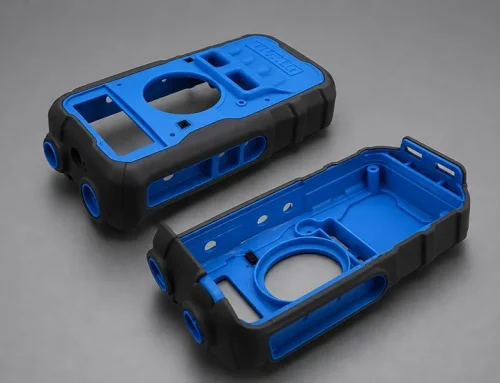
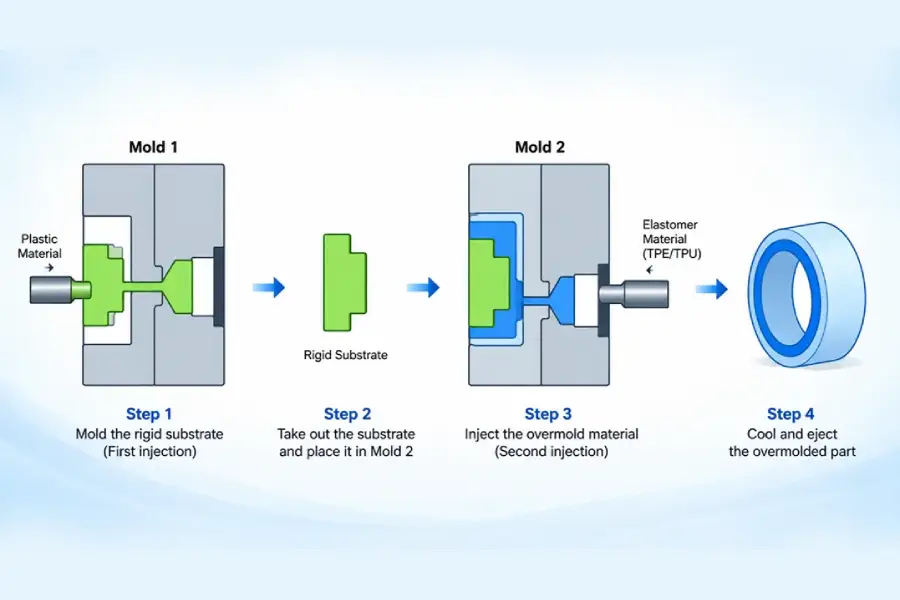
There are numerous products using the two such as a plastic enclosure attached to a MIM metal structure or a plastic overmolding attached to a sintered metal insert. Often the best answer is a hybrid design that can give the best of both materials.